


Yasaklı böcek ilaçları Husileri zenginleştirirken Yemenlilerin sağlığını bozuyor

Sanaa’da Tarımsal Araştırma Merkezi’ne bağlı bir çiftlikte çalışan Yemenliler. (Reuters)
TT

Yasaklı böcek ilaçları Husileri zenginleştirirken Yemenlilerin sağlığını bozuyor

Sanaa’da Tarımsal Araştırma Merkezi’ne bağlı bir çiftlikte çalışan Yemenliler. (Reuters)

Husi darbecilerin tarım sektöründe neden olduğu yozlaşma hamlelerinin, bu yolla zenginleşme ve kaynaklarını çoğaltma arzusunun bedelini Yemenliler sağlıklarıyla ödüyor. Husi grubunun yolsuzlukları açığa çıkarken, liderleri yasaklı böcek ilaçlarını piyasaya sürmek, kaçakçılık yapmak ve onları satmak için çalışıyor ve diğer ilaç türlerinin aslında sağlığa daha az zararlı olduğunu görmezden geliyor. Yasaklı böcek ilaçları kullanma nedeniyle Yemen’de tehlikeli ve kritik olarak nitelenen sağlık durumu yaygınlaşıyor.

Şarku’l Avsat’ın elde ettiği bilgilere göre yakın zamanda sızdırılan bir belge, Husi Dayfallah Şamlan’a Tarım Bakanlığı Müsteşarı statüsü verildiğini ortaya çıkardı. Belge ayrıca, Yemen’de 2006’dan bu yana, Tarım Bakanlığı’nın denetimi dışında ithalatı ve kullanımı kısıtlanan Dorsban böcek ilacını büyük miktarda ithal etmesi ve pazarlaması için bir şirkete ruhsat verildiği de ortaya koydu.

dsds
Husiler, tarım malzemeleri satan bir dükkanı ‘ihlalde bulunulduğu” gerekçesiyle kapattı. (Facebook)

Buna paralel olarak bir başka belgede, Havacılık Otoritesi’nde havalimanları sektörü müsteşar yardımcısı olarak belirlenen Husi lideri Yahya el-Kahlani’nin söz konusu böcek ilacının binalarda ve havaalanı çevresinde, böcek ve örümceklere karşı kullanılmak üzere Tarım Hizmetleri Kurumu’ndan yedi ton temin edilmesini istediğini gösterdi. Belge, istenen böcek ilacının, Ebu Şamlan’ın böcek ilacını ithal etmesine ruhsat verdiği şirkete ait olduğunu ortaya çıkardı.

Başkent Sana’daki tarım sektöründen kaynaklar, bir yandan istenen böcek ilaçlarının miktarı, diğer yandan tarım dışı bina ve arazileri korumak için bu tür ilaçlara ihtiyaç olmaması nedeniyle, istenen böcek ilaçlarının gerçekten Sana Havalimanı’nın arazilerini ve binalarını böceklerden korumak için kullanıp kullanılmayacağına yönelik şüphelerini dile getirdi. Kaynaklar, bahsi geçen noktalarda üreyen böceklerin sınırlı miktarlarda olduğunu ve insanlar için daha az zehirli ve tehlikeli olan türlerdeki böcek ilaçlarıyla yok edilebildiğini belirtti. 

Kaynaklar, gözetim ve denetim eksikliğinin yanı sıra yolsuzluk ağlarının birbiriyle bağlantılı olması nedeniyle, havaalanı depolarından yağmalanarak doğrudan tarım ilacı ve tarımsal malzeme satıcılarına teslim edilmesi muhtemel olduğu için bu miktardaki böcek ilacı talebinin arkasında büyük bir yolsuzluk şüphesi olduğunu öne sürdü.

Alerji ve kanser

Bilimsel adı Chlorpyrifos olan Dorsban, çevre ve insan sağlığı açısından en tehlikeli böcek ilaçlarından biri olarak biliniyor. Zira yanlış kullanımı veya cilt ile teması ciddi hasara neden olabiliyor. Bu hasarlar, maruz kalan deri alanın ve ilaç yoğunluğunun artması durumunda ani felç veya hızlı ölüm noktasına kadar varabiliyor.

Çiftçiler, bu ilaçları nasıl kullanacaklarını, tehlikeli durumları nasıl önleyecekleri ve nasıl koruma araçları sağlayacakları konusunda yeterli bilince sahip olmamalarının yanı sıra paketlerin dışında kullanım şekli ve uyarıların tercümesinin bulunmaması nedeniyle, böcek ilacı ve diğer toksinlere maruz kalma riski en yüksek olan grubu oluşturuyor. Bununla birlikte, sonradan görülen riskler, sebze ve meyve tüketicilerine ve gat bitkisinin kullanıcılarına geçiyor.

sdfr
Bir Husi liderinin, Sanaa’da havaalanının binaları ve çevresindeki böceklere karşı kullanmak için yedi ton yasaklı böcek ilacı istediği belge. (Twitter)

Husi milisler, kontrolü altındaki milletvekillerinin aylarca, kanser vakaları ile Husi kontrolü altındaki alanlarda yayılan böcek ilaçları arasındaki ilişkiler hakkında bir harita hazırlanmasına yönelik talepte bulunduktan sonra, Yemen savaşında kullanılan silahlar nedeniyle belirli kanser türlerinin görülme sıklığının yüzde 200 ila 300 arttığını kabul etti.

Başkent Sana’da alerji konusunda uzmanlaşmış bir tıp merkezi, günlerdir ağız, dil, yemek borusu ve boğazda şişlik, nefes alma ve yutkunma güçlüğü çeken çok sayıda alerjik vakanın geldiğini duyurdu. Bu vakaların, semptomlar sona erene kadar yemek yiyemediği ve sıvı ile beslendikleri belirtildi.

Başkent Sana’daki sağlık kaynaklarına göre, bu alerjiye sahip kişilerin çoğu çiftçilerin büyümesini hızlandırma, tüketime uygun dallardan en fazla sayıda hasat elde etme ve kârı ikiye katlama arzusu nedeniyle böcek ilaçlarına en çok maruz kalan bitki olan gat bitkisinin tüketicileri oldu.

Kaynakların belirttiğine göre sadece Husi darbecilerin kontrolü veya yönetiminde olan devlet hastanelerinde veya büyük hastanelerde bulunan özel testler yapılamazken, domates, salatalık, pırasa, mango, çilek, kivi ve muz gibi çoğu sebze ve meyve gibi çeşitli tarım ürünlerinden kaynaklanan başka alerji türleri de bulunuyor.

Sağlık kaynakları, bu testlerin yüksek maliyetlerine dikkat çekerek, herhangi bir hastalığı veya alerjisi olan kişilerin sadece yaşadıkları semptomları anlatarak tedavi almak zorunda kaldığını belirtiyor. Bu durum doktorlara tarif edilen semptomlarla karar alma ve tahmin yürütmekten başka çare bırakmıyor. Testler, sadece 30’dan az belli gıda grubu için yapılabiliyor.

Sahtecilik ve haraç

Husi milisleri, sık sık denetim altındaki valiliklerin girişlerinde oluşturduğu kontrol noktalarında ve gümrük noktalarında, çok miktarda tarım ilacına el konulduğunu belirtiyor. Ancak bu böcek ilaçlarının akıbetini ve onlardan nasıl kurtulacağına bir açıklama yapılmıyor. Tarım malzemeleri tüccarlarından biri şu açıklamada bulundu:

“Pazarlar her gün kaynağı ve adı bilinmeyen ucuz böcek ilacı türleri ile dolup taşıyor. Husi unsurlar dükkanlarımızı basıp ruhsatlı mallarımıza el koyarken, itiraz etmeye cesaret edemiyoruz.”.

ferf
Tarım sektörünü kontrol altında tutan Husi liderleri tarafından verilen tehlikeli bir böcek ilacını ithal etme ruhsatı. (Twitter)

Başkent Sanaa’da ikamet eden bir iş insanı kendi bilgisine ve meslektaşlarından duyduklarına istinaden, Husi milisleri tarafından el konulduğu açıklanan böcek ilaçlarının birçoğunun ruhsatlı ve yan etkileri sınırlı türler olduğunu söyledi. Bununla birlikte el koymaların, tacirlere şantaj yapma ve onları yasadışı haraç ödemeye zorlama çerçevesine geldiğini belirtti.

Bazı tarım malzemesi tacirleri, Yemen’e ithal ettikleri pek çok böcek ilacını, kendilerine bağlı olmayan satıcılar tarafından pazarlarda satıldıklarını gördüklerini, bu durumun, el koyma işlemlerinin ürünleri yağmalayıp satma amacıyla yapıldığı anlamına geldiğini, dolayısıyla da fiilen kaçırılanlar da dahil olmak üzere, el konulan tüm yasaklanmış malzemeler hakkında şüphe olduğunu kaydetti.

İsmini vermek istemeyen bir iş insanı, Yemen yasalarının yasaklı böcek ilacı ithal eden taciri masrafları kendisine ait olmak üzere menşei ülkeye iade etmeye zorladığını ancak Husi milislerinin el koydukları ürünleri bilinmeyen yerlere naklettiklerini ve bu böcek ilaçlarının ne olduğu hakkında daha sonra bir açıklama yapmadıklarını belirtti.

Kaçakçılık konusunda, yasalar bu böcek ilaçlarından kurtulmak için sert cezalar ve çok kesin ve hassas önlemleri içeriyor olsa da milislerin, kaçakçıların ve ihlalcilerin kimliklerini bile ifşa etmeden ve haklarında yasal işlem başlatmadan ürünlere el konulduğu açıklamalarıyla yetinmeleri nedeniyle şüpheye neden oluyor.

İş insanı Yemen pazarlarında onlarca yüksek oranda tehlikeli böcek ilacı satıldığını ayrıca Husi milislerinin rızası ve bilgisi dahilinde çiftçilere satılmaları için üzerlerindeki etiketlerin çıkarılarak ve yerine daha az tehlikeli böcek ilaçlarının isimlerinin yapıştırıldığını belirtti.

Milisler tarafından ülkede 700’den fazla böcek ilacı türünün yayıldığına dair resmi olmayan kabuller olduğunu ancak resmi olarak yalnızca 167 türün varlığının kabul edildiğini kaydetti.

Fidan Says Turkish President to Visit Syria Soon

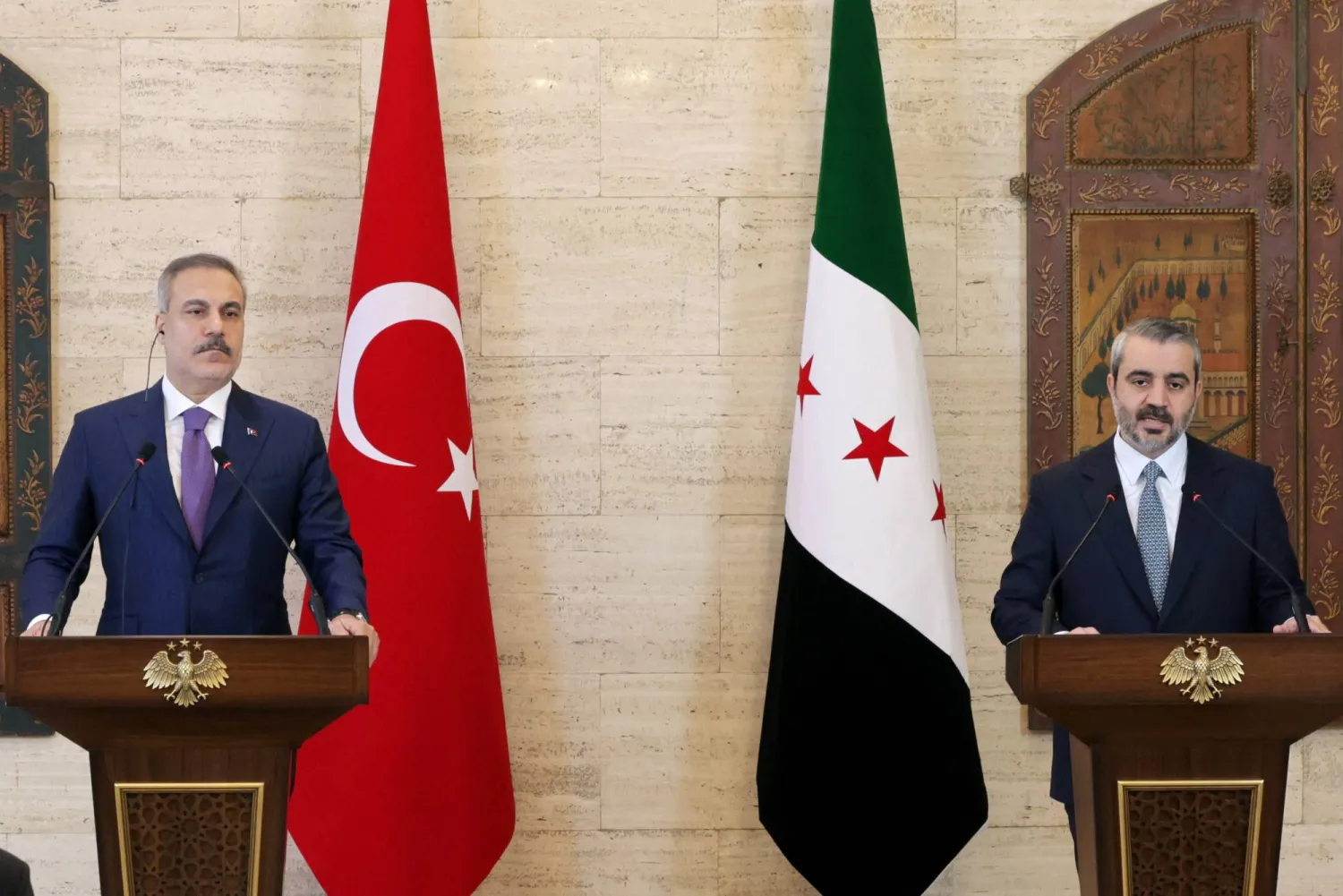
Syria's Foreign Minister Asaad al-Shaibani holds a press conference with Turkish Foreign Minister Hakan Fidan in Damascus, Syria, September 13, 2026. (Reuters)
TT

Fidan Says Turkish President to Visit Syria Soon

Syria's Foreign Minister Asaad al-Shaibani holds a press conference with Turkish Foreign Minister Hakan Fidan in Damascus, Syria, September 13, 2026. (Reuters)

Turkish Foreign Minister Hakan Fidan said on Sunday that President Recep Tayyip Erdogan would visit Syria soon, saying the two countries will hold intense and comprehensive meetings covering political, economic and military issues.

Fidan made the announcement during a press conference with his Syrian counterpart Asaad al-Shaibani in Damascus.

Fidan described Erdogan’s upcoming visit as an important step during which decisions and measures taken by the Joint Higher Committee would be reviewed, reported Syria’s state news agency SANA.

The committee would be jointly chaired, meet regularly and operate through a permanent secretariat, with specialized sectoral committees supporting its work, he added.

Its agenda would include energy, refugee returns, education and culture, he went on to say.

Al-Shaibani noted that Syria had developed a comprehensive program for organized refugee returns, providing housing, employment and transportation services under Syrian management and linked to reconstruction projects in areas of origin.

He said Syria was close to reopening its embassy in Ankara, describing it as an important step in strengthening relations.

Fidan stressed that Syrian-Turkish relations had made significant progress and that Syria’s stability was important not only for the Syrian people but for the wider region.

Türkiye viewed Syria’s unity, sovereignty and territorial integrity as essential, he stated, adding that all armed elements should integrate under state institutions.

Moreover, Fidan described the decision regarding the integration of the Syrian Democratic Forces (SDF) as an important step, saying positive developments in Syria would contribute to regional stability.

Al-Shaibani said the press conference, held days after talks between the two sides in Ankara, reflected the rapidly expanding partnership between Syria and Türkiye and the strategic direction pursued by both countries.

He said Türkiye was among the first countries to reopen its embassy in Damascus and border crossings and supply lines following the ouster of the Assad regime on Dec. 8, 2024, adding that Ankara also played a leading role in international forums calling for the lifting of sanctions imposed on the Syrian people.

Al-Shaibani said Türkiye’s position at a pivotal moment would remain part of Syria’s national memory, adding that Damascus and Ankara had advanced their partnership through dozens of meetings at presidential and ministerial levels.

He said the two countries had signed 40 agreements and memoranda of understanding and established an institutional network linking 22 Syrian ministries and agencies with their Turkish counterparts.

He said Syria and Türkiye aim to increase bilateral trade from nearly $4 billion last year to $10 billion through production partnerships, local content, Syrian employment and joint industrial zones along the border.

The minister said the two sides were also working toward a comprehensive energy strategy covering gas, electricity and power-grid interconnection.

Fidan said Turkish Trade Minister Ömer Bolat’s recent visit to Damascus and Aleppo with a delegation of businesspeople focused on increasing investments and expanding trade, particularly in the energy sector.

He said Syria would play a pivotal role in connecting Jordan, Saudi Arabia, Gulf countries and Iraq with Türkiye and the Mediterranean.


How Iran’s Hard-Liners Blew Up a Peace Deal With Trump

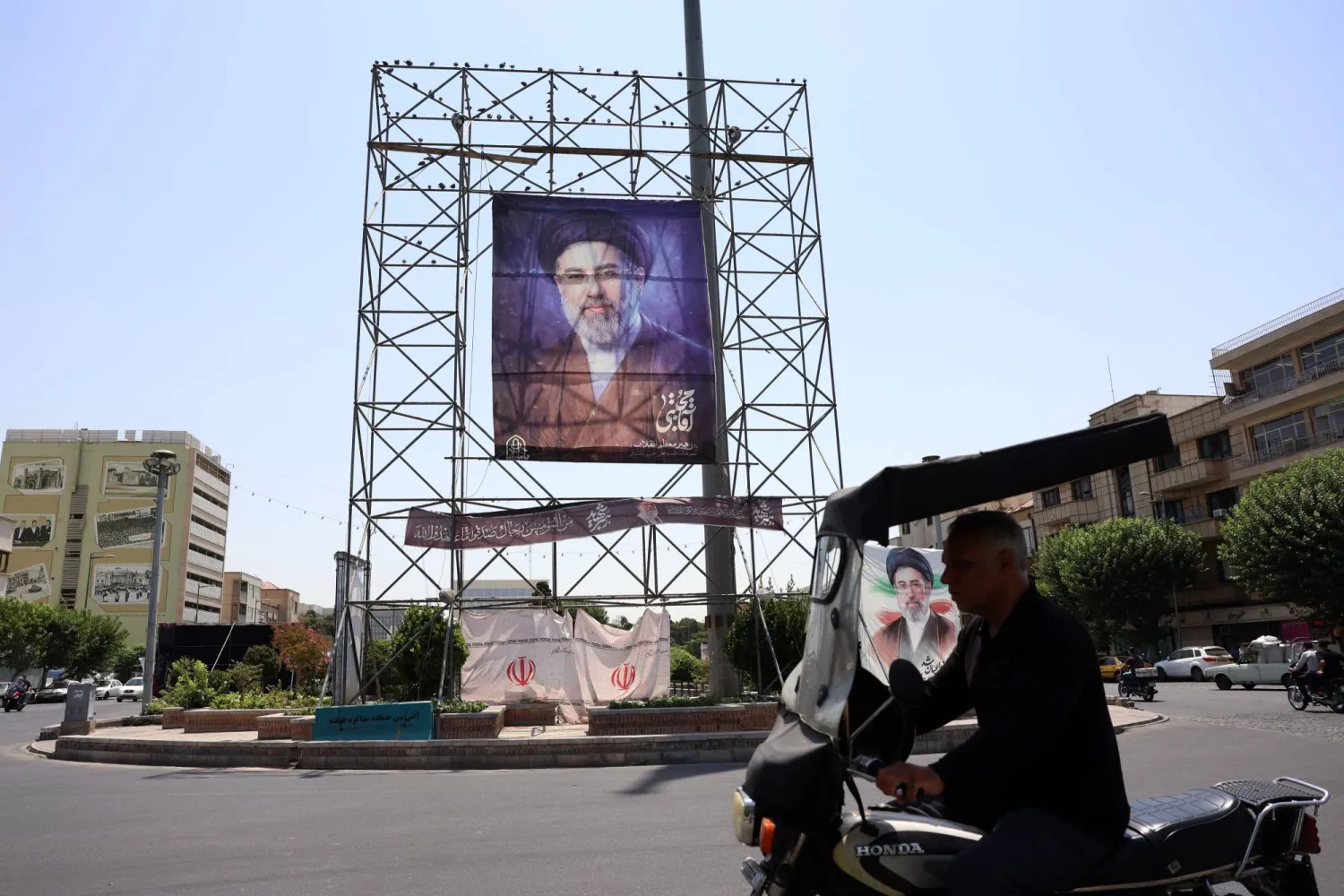
A man drives next to a billboard of Iranian supreme leader Mojtaba Khamenei in a street in Tehran, Iran, 09 July 2026. EPA/ABEDIN TAHERKENAREH
TT

How Iran’s Hard-Liners Blew Up a Peace Deal With Trump

A man drives next to a billboard of Iranian supreme leader Mojtaba Khamenei in a street in Tehran, Iran, 09 July 2026. EPA/ABEDIN TAHERKENAREH

Attacks on ships in the Strait of Hormuz led by hardliners derailed a push by more moderate pragmatists in Iran to reach an end to hostilities with the United States and repair their nation’s ailing economy, The New York Times revealed on Sunday, citing regime insiders.

It said Iranian President Masoud Pezeshkian was riding high in early July, fresh off the successful negotiation of a peace agreement with the United States, and had traveled to neighboring Iraq for part of a weeklong funeral spectacle for Iran’s slain supreme leader.

Iranian forces had opened fire on three commercial ships in the Strait of Hormuz, setting ablaze a Qatari LNG tanker and damaging other vessels.

Outraged, Pezeshkian phoned General Ahmad Vahidi, the commander in chief of the Iranian Revolutionary Guards Corps, and in a raised voice called the actions reckless and demanded answers, according to five Iranian officials and two Guards members familiar with the events.

Vahidi told the president that he had neither authorized nor had advance knowledge of the strike, the five officials said.

The nation’s Supreme National Security Council, which plays a critical role in both the war and negotiations, had also been in the dark, he said.

In fact, much of the country’s leadership was unaware that a fringe hardline faction had decided to act on its own.

Pezeshkian immediately returned to Tehran. By the next morning, the US retaliated with strikes on Iran and the two countries were back at war.

The hard-liners succeeded in part because the only figure with the authority to resolve such disputes — the new supreme leader, Mojtaba Khamenei — has been a phantom since taking office in March.

He has not been seen, and his voice has not been heard. And the authenticity of written statements and messages attributed to Khamenei has been questioned, including by Pezeshkian, according to three Iranian officials.

Pezeshkian immediately returned to Tehran. By the next morning, the US had retaliated with airstrikes on Iran. The two countries were back at war.

Senior Iranian officials and a Guards member said in interviews that what followed were some of the most volatile political confrontations within Iran’s leadership in memory. Officials engaged in shouting matches. Two senior generals threatened to resign. Accusations of treason and betrayal flew.

The reverberations, officials said, contributed to a shake-up at the National Security Council and the supreme leader’s appointment of General Mohsen Rezaei, a seasoned politician and former commander in chief of the Guards, to lead the council, as he was thought to have the skill to mediate among political factions.

But the newspaper said divisions persisted and the hardliners who have committed Iran to escalation are in an even stronger position.

The New York Times account of the inner deliberations of Iran’s leadership is based on interviews with eight Iranian officials, three members of the Revolutionary Guards, four former officials and a review of dozens of speeches and comments by government officials and military generals from June to September published in the Iranian press and social media. The officials interviewed for this article spoke on the condition of anonymity to discuss delicate issues of national security.

Three Iranian officials said inquiries by the government and security forces traced the decision to strike the three commercial ships in July to the cleric Hossein Taeb, an influential spymaster who had opposed the peace deal with the United States from the outset.

Taeb had been telling the new supreme leader that Iran had made a mistake in ending the war and agreeing to the deal, they said.

Taeb, in a recent speech to military families, said that he was not opposed to talks but that “negotiations that ignore the rights of our people and concede to the excessive demands of the enemy have no place in Iran’s politics.”

Khamenei recently appointed Taeb as the head of the Basij militia, which is responsible for quelling domestic dissent. He had previously served for more than 20 years as chief for the Revolutionary Guards’ intelligence agency before the previous supreme leader ousted him in 2022 over failures such as Israeli infiltration of his rank and file, and a foiled plot in Türkiye.

Taeb re-emerged after that supreme leader, Ayatollah Ali Khamenei, was killed at the start of the war, and he played a key role in the selection of the son Mojtaba as the successor to his father, officials said at the time.

“The attack on the ships was orchestrated with the goal to blow up the memorandum of understanding with Trump and to kill the prospects of any future negotiations and deal,” Alireza Namvar Haghighi, an Iran expert and former official who still has close contacts in the government, said in an interview from Canada.

When Pezeshkian demanded to know who had struck the three ships, he was told that commanders in the field had acted on their own, in line with an order empowering them to attack any ship violating Iran’s control of the Strait without waiting for approval from central command, according to the officials with knowledge of these discussions.

In one sign of the dispute, the Guards’ Khatam al-Anbiya headquarters never issued a statement claiming responsibility for the July 7 attack, as has been routine in other attacks before and since.

Iranian officials relayed this same account to the United States and some of its regional allies in the immediate hours after the attacks, blaming rogue operators, according to US officials who briefed reporters at the time and the three Iranian officials.

On the streets and on state television in Iran, meanwhile, the hardliners openly attacked the negotiating team and its peace deal, and at nightly rallies, crowds chanted for a return to war.

The Iranian government has devised an official narrative deflecting blame for the collapse of the agreement, saying Washington violated it first by not stopping Israel’s attacks on the militant group Hezbollah in Lebanon, by withholding Iran’s frozen assets and by sneaking ships through a portion of the Strait of Hormuz not controlled by Iran. But few inside Iran’s political circles are convinced by this version, including Pezeshkian himself, five officials said.

Pezeshkian said publicly last month that every agreement sees violations and that they should be addressed through talks, not confrontation.

War Plan

For weeks, the political leaders and generals running Iran have debated two ways to break the stalemate with the United States, officials said.

Under one approach, Iran could seek to return to negotiations. Under the other, it would escalate attacks on American targets, aiming to strike naval vessels, kill American troops and raise global oil prices.

Both would aim to end the US naval blockade on Iran’s southern ports, which have paralyzed trade and brought oil sales down to zero, according to officials.

Iran’s economy is deteriorating, with the currency plunging daily, inflation soaring and the government facing a cash deficit.

Hardline generals, including Brigadier General Seyyed Majid Mousavi, who commands the Guards’ Aerospace Force, pressed for confrontation, officials and two Guards members said.

Pezeshkian and Speaker Mohammad Bagher Ghalibaf, who is also the top negotiator with the United States, were among the officials who warned that the war plan risked dragging the country into an abyss, with even fiercer US airstrikes and more crippling economic pressure.

But by last Saturday, the hardline faction had gained the upper hand. “The war between Iran and the United States,” said Mahdi Mohammadi, the top adviser to General Ghalibaf, “has entered the phase of escalation.”


Iraq Border Crossings with Iran Reopen

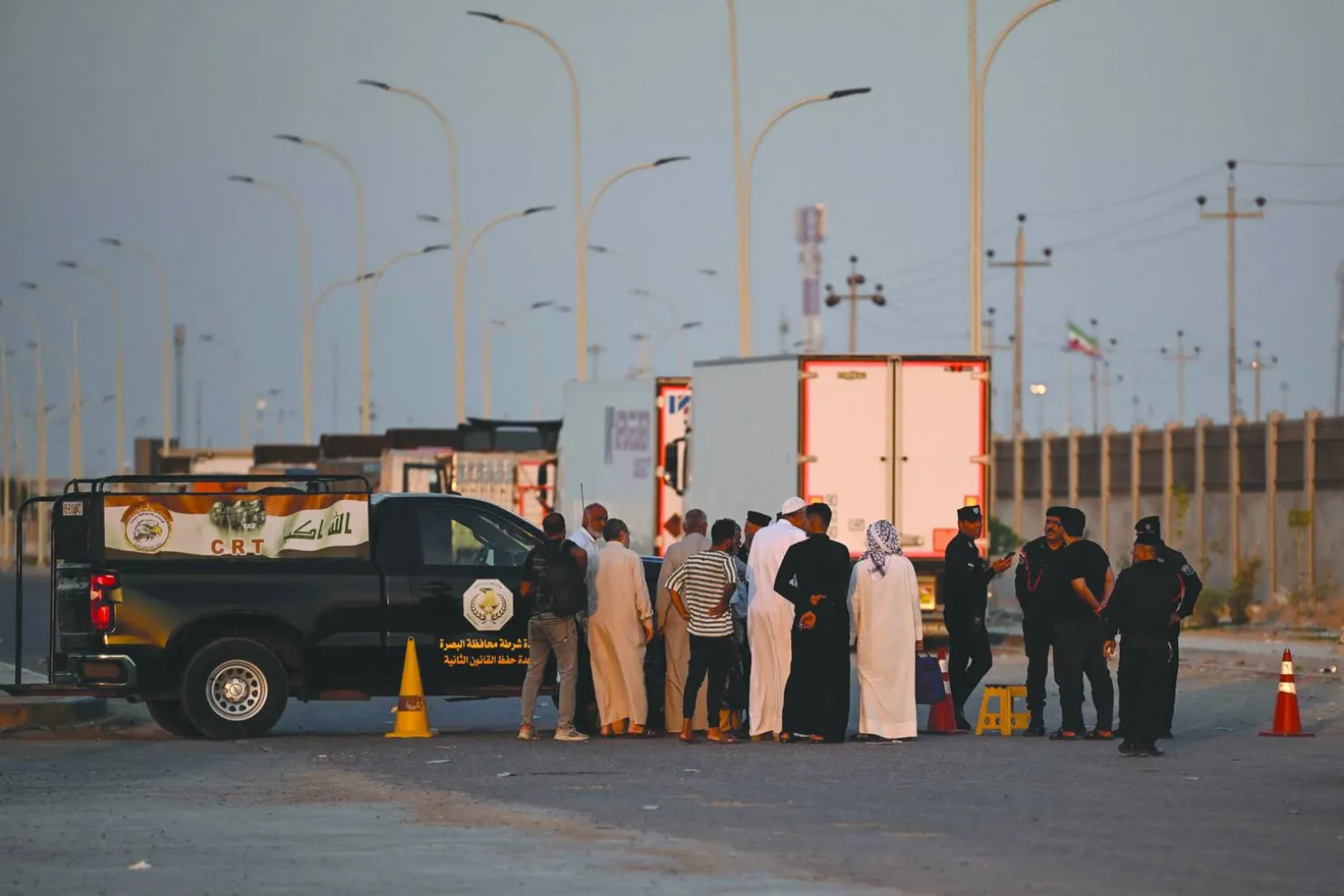
Stranded Iranians and Iraqis wait at the Iraq-Iran border following the Iraqi government's decision to close the Shalamsheh border crossing in the southern Basra province on September 12, 2026. (Photo by Hussein FALEH / AFP)
TT

Iraq Border Crossings with Iran Reopen

Stranded Iranians and Iraqis wait at the Iraq-Iran border following the Iraqi government's decision to close the Shalamsheh border crossing in the southern Basra province on September 12, 2026. (Photo by Hussein FALEH / AFP)

Iraqi authorities said passenger traffic had resumed at key border crossings with Iran after being closed Saturday following drone attacks launched from Iraq that closed Saudi Arabia’s East-West oil pipeline.

Baghdad acknowledged that the attack had originated from Iraq.

Iraqi Prime Minister Ali al-Zaidi had ordered specific dates to be set for reopening three border crossings with Iran: Shalamcheh, Mandali, and Al-Sheeb, Iraq’s Security Media Cell said.

The three border crossings are located in the provinces of Basra, Maysan, and Mandali.

The attacks against Saudi Arabia were carried out from near the Al-Sheeb border crossing in Maysan province, prompting the prime minister to dismiss the commander in charge of Maysan and place the heads of its security agencies under his direct command, while referring them for investigation.

Analysts said the border closures amounted to an unprecedented “warning message” to Iran, as Iraqi authorities tightened security and launched investigations into violations at the crossings.