

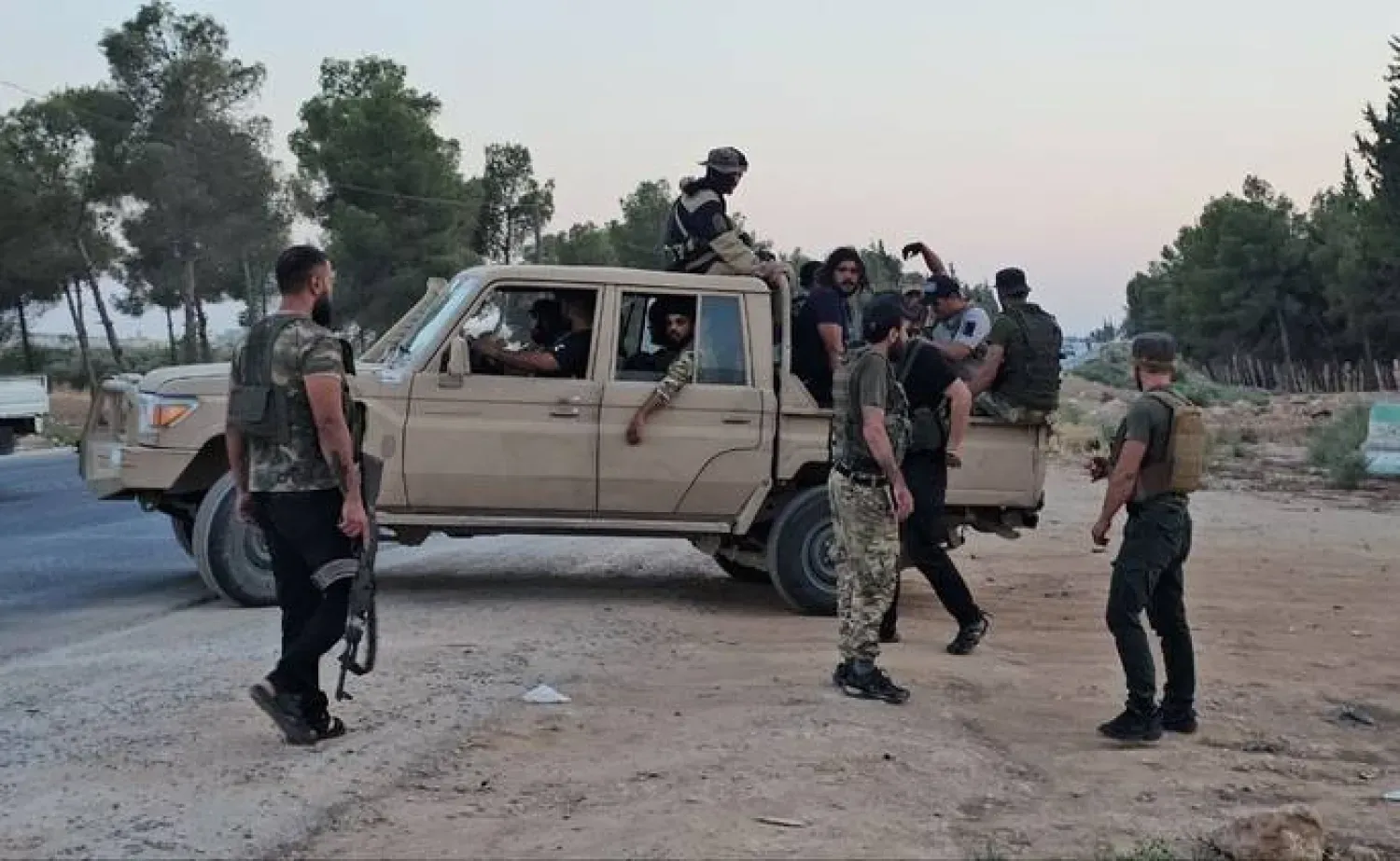

Suriye'nin kuzey ve kuzeydoğusunda gerginliğin tırmanması durumu daha da belirsiz hale getiriyor

Geçtiğimiz nisan ayında Halep'in doğu kırsalındaki Deyr Hafir'de SDG ve milis grupları arasında yaşanan çatışmalardan bir kare (Arşiv – Sosyal medya)
TT

Suriye'nin kuzey ve kuzeydoğusunda gerginliğin tırmanması durumu daha da belirsiz hale getiriyor

Geçtiğimiz nisan ayında Halep'in doğu kırsalındaki Deyr Hafir'de SDG ve milis grupları arasında yaşanan çatışmalardan bir kare (Arşiv – Sosyal medya)

Suriye'nin kuzeydoğusu ve doğusunda puslu hava yoğunlaştı. Yerel kaynaklar, Şam'ın Halep kırsalındaki Tişrin Barajı'na askeri takviye gönderdiğini ve başka takviyelerin de Rakka vilayetine doğru yola çıktığını doğruladı.

Suriye hükümeti doğu bölgelerine yönelik askeri hareketlerin olduğu iddialarını yalanlarken, Rakka'daki aşiret kaynakları hükümet yanlısı kesimlerde alarm durumunun yaşandığını bildirdi. Ancak konuyu takip eden Kürt kaynaklar, Şam'ın bu tırmanışını Haseke’de düzenlenen konferansa bir misilleme olarak yorumlarken askeri operasyonun ‘büyük bir macera’ olarak değerlendirilerek gerçekleştirilme olasılığının düşük olduğunu vurguladılar.

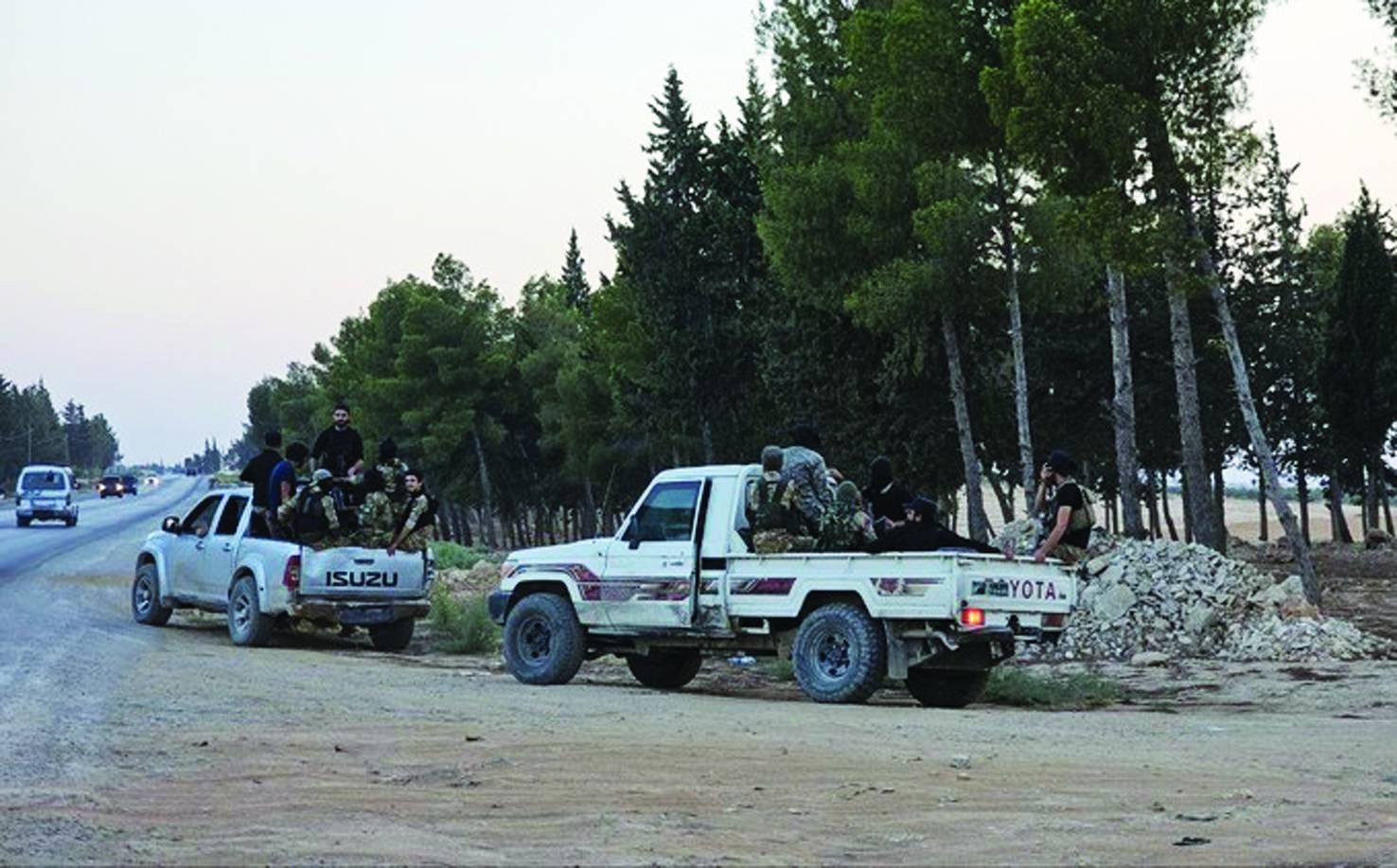
Basında yer alan haberlere göre Suriye Savunma Bakanlığı, Halep'in doğu kırsalındaki Tişrin Barajı ve Deyr Hafir bölgesine büyük askeri takviye gönderirken Bakanlığa bağlı 60. ve 76. Tümenlerden başka askeri takviyeler de Rakka'nın güney kırsalındaki Zalma bölgesine ulaştı. Alman Haber Ajansı DPA, kaynaklardan, askeri takviyelerin ‘SDG'nin Savunma Bakanlığı’na bağlı güçlere yönelik saldırıları ve tekrar tekrar hedef almasının ardından’ yapıldığını aktardı.

Basında yer alan video görüntülerinde büyük bir askeri konvoyun Suriye'nin kuzeydoğusuna doğru ilerlediği görüldü. Ancak Suriye Savunma Bakanlığı Medya ve İletişim Departmanı, bu görüntülerin Halep'in güneyinde Suriye ordusunun yaptığı bir tatbikatın görüntüleri olduğunu ve bazı sosyal medya platformlarında yeni bir askeri hareket olarak paylaşıldığını açıkladı. Haberin doğru olmadığını ve gerçeği yansıtmadığını belirten Bakanlık, ‘resmi makamlarla ilgili herhangi bir bilgi veya açıklama yayınlanmadan önce en üst düzeyde araştırma ve inceleme yapılmasını’ istedi.
gthyu7
SDG, Suriye ordusu güçleriyle çatışmaların ardından Halep vilayetindeki Deyr Hafir'e takviye gönderdi (Türk basını)

Şam’daki bilgi sahibi kaynaklar ise Suriye ordusunun Halep'ten Suriye adasına doğru askeri harekat başlattığına dair haberlerin ‘kesin olmadığını’ belirterek, ‘şimdiye kadar her şeyin normal seyrinde olduğunu’ açıkladılar.

Suriye'nin en büyük Arap aşiretlerinden biri olan el-Buşaban aşiretinin şeyhlerinden Şeyh Ferec el-Hamud es-Selame, Şarku’l Avsat’a yaptığı açıklamada, (Halep'in kuzeydoğusundaki) Tişrin Barajı bölgesine askeri takviyelerin ulaştığını doğrulayarak diğer takviye güçlerin de Rakka'ya doğru yola çıktığını söyledi.

Selame, SDG'nin kontrolündeki bölgelerdeki aşiretler arasında huzursuzluk olduğunu ve ‘gerginliğin tehlikeli’ olduğunu belirtti.
gthyju
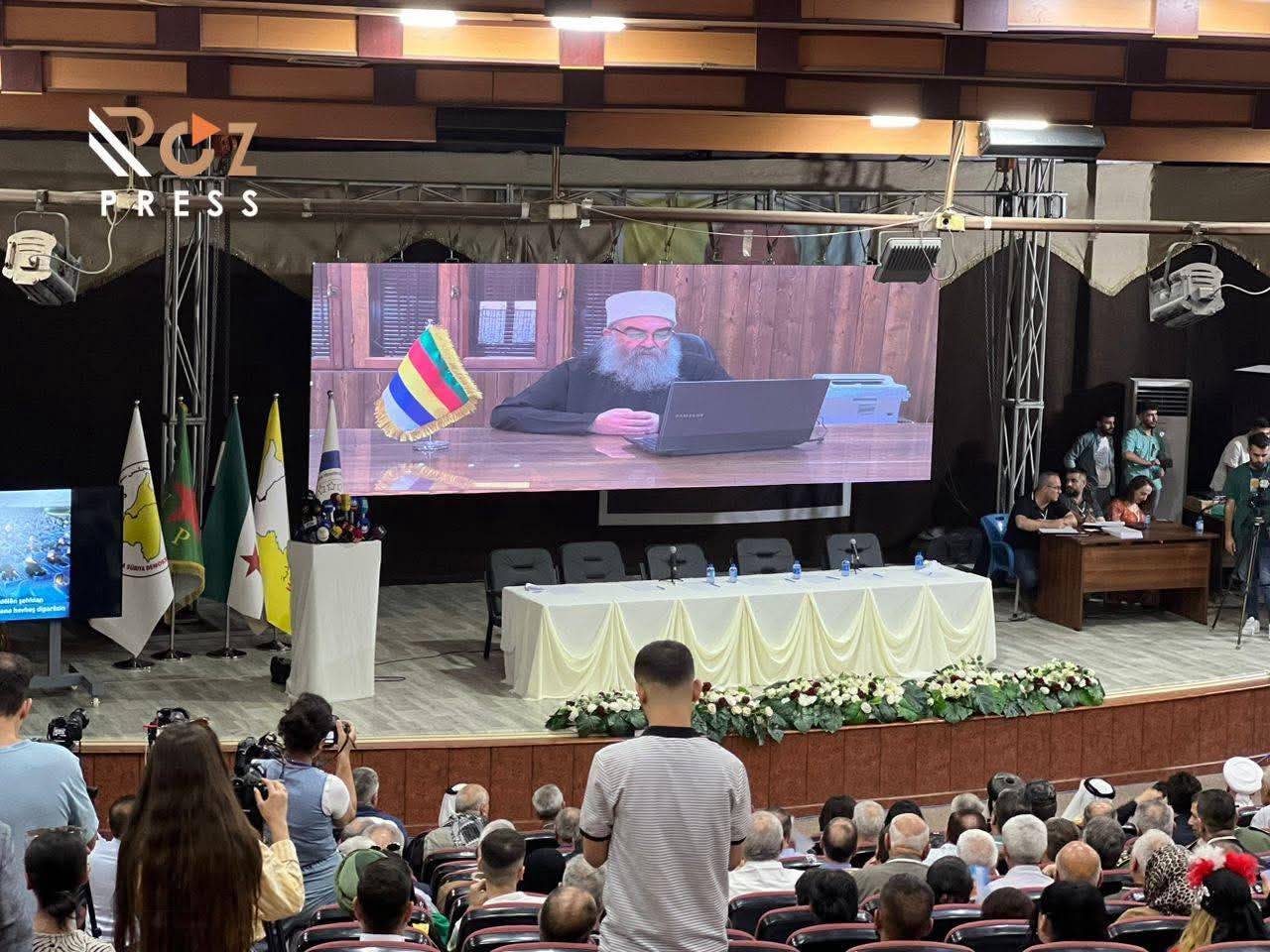
Şeyh Hikmet el-Hicri, Haseke’deki konferansa telekonferans yöntemiyle katıldı (Sosyal medya)

Öte yandan, Kürt meseleleri uzmanı araştırmacı Hurşit Dali, Suriye Savunma Bakanlığı'nın Halep'in doğu kırsalına ve Rakka'ya askeri takviye göndermesini, Haseke’deki konferansı ve Paris müzakerelerinden çekilme açıklamasının ardından Şam'dan gelen bir mesaj olarak değerlendirdi ve bunun ‘güç gösterisi’ kapsamında bir adım olduğunu belirtti. Şarku’l Avsat’a konuşan Hurşit Dali, ülkenin kuzeydoğusu ve doğusunda yaşanacak olası bir çatışmanın ‘yıkıcı’ olacağını ve özellikle Suveyda olaylarından sonra ‘Şam için bir maceraya dönüşeceğini’ değerlendirdi.

Şam, geçtiğimiz cumartesi günü, SDG'nin kontrolündeki Suriye'nin kuzeydoğusundaki Haseke kentinde cuma günü düzenlenen konferansın ardından, Fransa’nın başkenti Paris'te hükümet heyeti ile SDG güçleri arasında yapılması planlanan toplantıyı iptal ettiğini duyurdu. Bu gelişmeler, Türkiye Dışişleri Bakanı Hakan Fidan'ın geçtiğimiz perşembe günü Şam'a yaptığı ziyaretin ardından yaşandı. Fidan’ın ziyareti, iki taraf arasında güvenlik ve askeri koordinasyon olduğuna dair işaretler içeriyordu. Türkiye, Fırat'ın doğusunu bir güvenlik tehdidi olarak görürken, Şam ise Türkiye ile anlaşmanın Suriye'yi kendi kontrolü altında birleştirmek için yürüttüğü projeyi desteklediğini düşünüyor.

Suriye’nin doğusundaki gerginlik, pazar günü Brüksel'de Suriyeli bileşenlerin katıldığı bir danışma toplantısının düzenlenmesi ve ABD'nin Suriye Özel Temsilcisi Tom Barrack'ın, Ürdün'ün başkenti Amman'da düzenlenen Suriye-ABD-Ürdün üçlü görüşmeleriyle Suveyda'daki krizi kontrol altına alma çabalarıyla aynı döneme denk geldi.



Yemen FM: Houthis and Iran Have a Relationship of 'Mutual Instrumentalization'

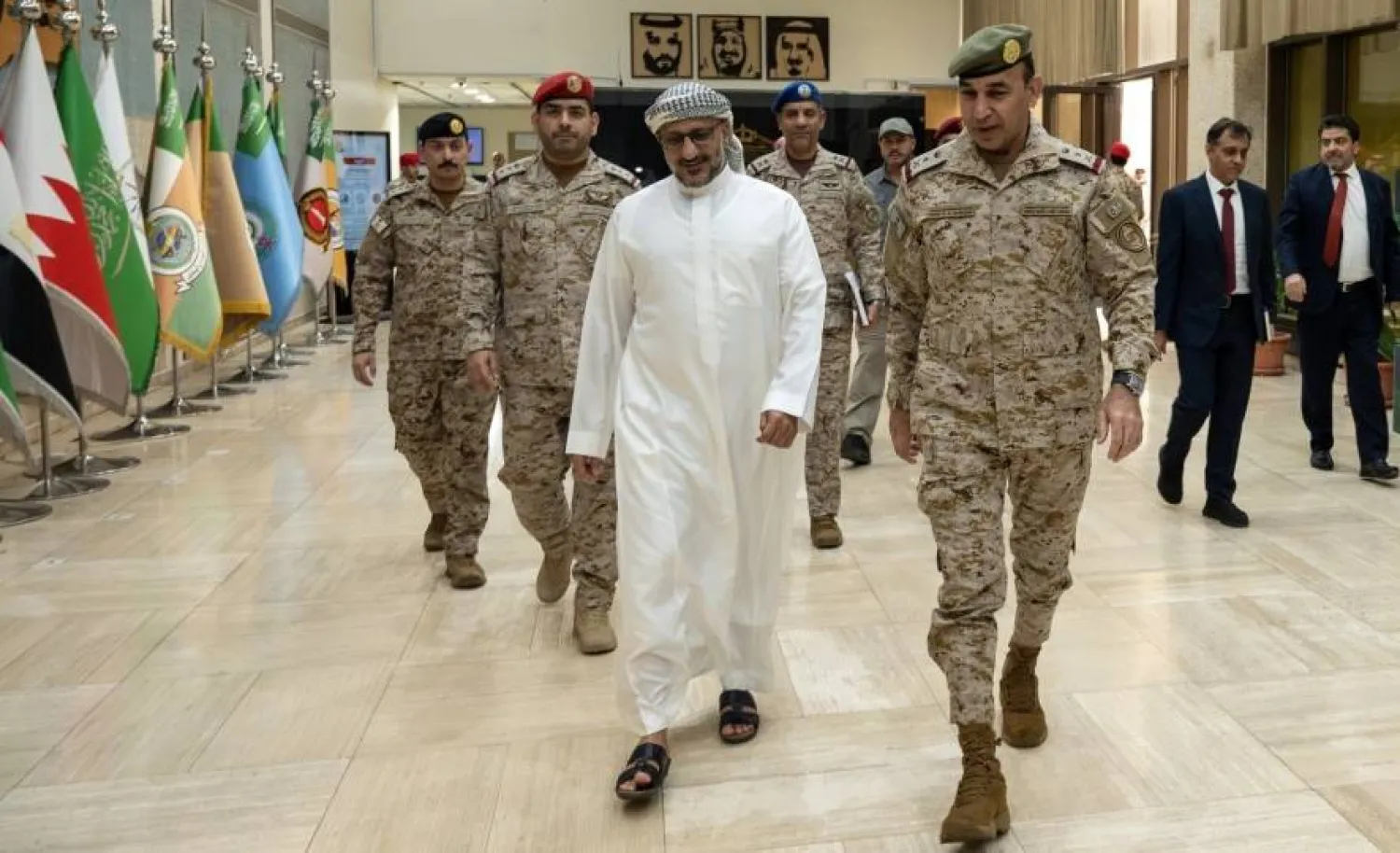
 Yemeni FM Afrah al-Zouba (Asharq Al-Awsat)
Yemeni FM Afrah al-Zouba (Asharq Al-Awsat)
TT

Yemen FM: Houthis and Iran Have a Relationship of 'Mutual Instrumentalization'

 Yemeni FM Afrah al-Zouba (Asharq Al-Awsat)
Yemeni FM Afrah al-Zouba (Asharq Al-Awsat)

What kind of relationship binds the Houthis to Iran? Afrah al-Zouba, the first woman to head Yemen’s Foreign Ministry, has a term for it: “mutual instrumentalization.”

“I use the term because it describes the relationship more accurately,” al-Zouba told Asharq Al-Awsat in her first interview since taking on the challenging portfolio.

The Houthis, she said, “are not merely a tool with no domestic project of their own. At the same time, what they have become cannot be separated from their deep and accumulated relationship with Iran.”

She went further.

The group “is not simply an arm,” al-Zouba said. “It is a threat in its own right, whose interests intersect with the Iranian project wherever that helps expand its influence and impose a fait accompli.”

“We are dealing with a terrorist group that has an ideological and political project at home, built on sheer violence and the myth of discriminatory and racist dynastic entitlement toward Yemeni society,” she said.

The group, she added, “believes it has an absolute right to power and wealth, and to harness the forces and segments of the population to serve its project and establish an extremely closed and isolationist theocratic system hostile to citizenship, freedoms, and human dignity.”

Explaining ‘mutual instrumentalization’

Al-Zouba said the relationship works both ways.

“The Houthis benefit from Iran to strengthen their project at home, while Iran benefits from the Houthis and Yemen’s strategic location as a tool of influence and pressure in the region,” she said.

But that mutual reliance, she said, is no longer limited to Iran.

“The terrorist Houthi movement has expanded their cooperation and exchange of interests with terrorist elements and organizations, smuggling networks linked to the Yemeni arena, terrorist groups in the Horn of Africa, and armed groups in Iraq,” she said.

That, she added, reflects “an increasingly intertwined web of interests, tools and smuggling routes, compounding the cross-border threat.”

The danger, in al-Zouba’s view, lies in attempts to turn Yemen and its strategic location into a platform for threatening neighboring countries, ships, ports, and maritime routes.

She cited attacks reaching Mokha port and efforts to turn the Red Sea, Bab al-Mandab, and the Gulf of Aden into “arenas for pressure and coercion.”

Such conduct, she said, “drags Yemen into conflicts that do not serve the interests of its people and threatens the security and stability of the region and international navigation.”

One widening escalation

In recent days, Houthi attacks have widened from government forces in Marib and Hadramout to camps for displaced people and civilian sites in Marib and Mokha.

The attacks have also reached Najran in Saudi Arabia, while threats against ships and maritime routes in the Red Sea and Bab al-Mandab have resurfaced.

Asked whether she viewed the developments as separate incidents or as part of a single escalation, al-Zouba was unequivocal.

“I do not treat them as separate incidents,” she said.

“When missiles and drones are used against state forces, then the attacks extend to civilians and displaced people, vital civilian and economic facilities and Saudi Arabia, while coinciding with threats to ships and maritime routes, then we are looking at one pattern expanding geographically and applying pressure on several fronts at the same time.”

Al-Zouba noted that the escalation came while political efforts were still under way, led by Saudi efforts to return to a political track.

“There are no domestic reasons or developments that explain this escalation,” she said.

Instead, she said, the regional context pointed to “clear Iranian escalation.”

She cited Iran’s dispatch of two aircraft to Sanaa and Hodeidah airports without the Yemeni government’s approval, as well as what she described as repeated Iranian attempts to use the Red Sea “as an arena for pressure and for harming international trade and the global economy.”

The latest attacks, al-Zouba said, should therefore be read “in their broader context, not as isolated or passing events.”

‘The state’s sovereign right’

How will the government respond? And does the military response announced by the armed forces, along with the National Defense Council’s move to raise readiness, signal a shift from containment to a new military course?

Al-Zouba said the principle was straightforward.

“The political and legal principle is clear: the state has a sovereign and legitimate right to defend its citizens, forces and institutions, and to take the necessary and proportionate measures to deter attacks.”

On military decisions, she said the National Defense Council “remains in continuous session to deal with the situation.”

The council, she said, has put restoring state institutions and protecting sovereignty at the top of its priorities and instructed the armed forces to respond to sources of fire and confront Houthi attacks.

That, she said, “is part of the state’s responsibility to protect its borders, ports and citizens and prevent them from being subjected to repeated coercion.”

Still, al-Zouba said the government’s fundamental position had not changed.

Its goal, she said, remains “ending the coup, restoring state institutions and returning to the path pursued by the state, leading to a genuine and sustainable political solution.”

She rejected the idea that deterrence and negotiations were incompatible.

“I see no contradiction between the state protecting itself and a political solution,” she said.

“On the contrary, a sustainable solution cannot be reached from a position that allows attacks to continue at no cost. We want a political solution, but under a state capable of protecting its citizens, sovereignty and institutions.”

Peace backed by deterrence

After 12 years of truces, negotiations and repeated attempts at de-escalation, is a political solution still possible? And did containing the Houthis encourage further escalation?

Al-Zouba said hope remained for ending “this nightmare that Yemenis have been living through for 12 years in a way that spares their blood and protects their country’s resources.”

She pointed to a long political track stretching from the National Dialogue Conference to the Kuwait talks, the Stockholm Agreement and later de-escalation initiatives.

The government pursued those efforts, she said, “in search of a way out that would restore stability to the country.”

But its experience with the Houthis, she said, revealed a recurring pattern dating back to the six wars.

“At more than one stage, whenever the group found itself under pressure, it moved toward de-escalation, only to rebuild its strength, enhance its capabilities and return to the offensive,” she said.

That experience, she added, showed the limits of containment.

“A policy of containment, when not coupled with consequences and a clear cost for violating commitments, may be understood as permission to do more.”

Al-Zouba said the government and the Yemeni people “yearn to be rid of this suffering.”

She pointed to deprivation, extrajudicial killings, arbitrary arrests and forced recruitment in Houthi-controlled areas, as well as attacks on oil facilities and sources of revenue in government-held areas.

Her formula was simple.

“We want a genuine peace backed by tools of pressure and deterrence, enforcement mechanisms and accountability,” she said.

“A de-escalation that leads to a solution, not an opportunity to reposition and rearm.”

Red Sea: Protecting ships is not enough

On the Red Sea, al-Zouba said Yemen’s location gives it a major responsibility in the Red Sea, Bab al-Mandab and the Gulf of Aden.

Those waterways, she said, “are not merely a Yemeni or regional matter. They are arteries for trade, energy and supply chains around the world.”

The Yemeni government, she said, views the Saudi-launched “multinational defensive maritime coalition” as “an important step.”

It shifts maritime security, she said, “from fragmented responses to institutional cooperation” encompassing ship protection, information-sharing, maritime awareness, training and stronger capabilities to confront threats.

But she said ship protection alone cannot provide a lasting answer.

“Protecting a ship at sea alone cannot be enough indefinitely if the sources of the threat on land and along the coast remain outside state authority.”

For al-Zouba, “the sustainable part of the solution” is to enable the Yemeni government to extend its authority over its coasts, ports and territorial waters.

That also means strengthening the coast guard, naval forces, port security and anti-smuggling capabilities.

“Historically, Yemen was a point of transit, trade and connection with the world,” she said.

“It is unfair for its location today to be reduced to the image of a source of threat, instead of for Yemen to once again become a bridge for trade and stability.”

What Yemen wants from the world

Al-Zouba said the international community has developed a better understanding of Houthi conduct.

The government, she said, appreciates recent international positions, including those from the UN Security Council, states and regional and international organizations.

She highlighted statements affirming Yemen’s sovereignty, the government’s right to manage its airspace and ports of entry, and opposition to attacks on Saudi Arabia and commercial shipping.

But political statements, she said, are not enough.

“The value of a political position becomes clear when it is translated into implementation.”

Al-Zouba said the government wants “effective implementation of UN Security Council resolutions, the sanctions regime and the arms embargo.”

It also wants routes used to smuggle missiles, drones, dual-use components and technical expertise shut down, and networks that finance or facilitate those activities held accountable.

She also called for stronger Yemeni state capabilities, particularly the coast guard, specialized agencies and port security.

“We are not asking the world to fight on our behalf,” she said.

What Yemen wants, she said, is not to be asked to surrender its responsibility to protect its citizens, resources and sovereignty “while the cost of violations remains almost nonexistent.”

“Every violation that carries no cost encourages the next one.”

The government’s demands go beyond security.

Al-Zouba renewed a request she said Yemen has been making for five years: to “correct the way international support and aid for the Yemeni people are delivered.”

The goal, she said, is to move away from “periodic support that merely treats the symptoms of the humanitarian crisis” and instead address its root causes by supporting state institutions and strengthening their ability to function.

Yemenis are not bargaining chips

Beyond missiles and politics, al-Zouba turned to the humanitarian toll.

Millions of Yemenis, she said, are living in extremely harsh conditions and “must not be turned into instruments of pressure or hostages in the hands of the Houthi militia in political and military calculations.”

“When a displaced person who was already forced to leave his home is targeted in Marib, or a UN employee working to serve people is detained, or children’s vaccines and aid are disrupted, then we are dealing with a humanitarian cost that goes beyond the political approach.”

Al-Zouba accused the Houthis of controlling resources, obstructing humanitarian work, detaining staff, disrupting vaccine deliveries and turning those issues into tools of pressure against civilians.

“Humanitarian issues are rights, not bargaining chips or tools of blackmail,” she said.

But she also tied any lasting solution to the restoration of the state.

“Aid can ease the pain, but it cannot replace a state that provides education, health services and salaries and protects its citizens.”

Three priorities for the Foreign Ministry

Away from the war, Asharq Al-Awsat asked al-Zouba what she wanted Yemenis to see from the Foreign Ministry in the first stage of her tenure.

She set out three priorities.

The first is “providing Yemeni diplomacy with the resources it needs to perform its role and keep pace with the state’s political action.”

“The Foreign Ministry is the main channel of communication with the world,” she said.

“Its staff at home and abroad must therefore be able to convey state policy and defend its interests.”

The second priority is serving Yemenis abroad.

Al-Zouba pointed to the country’s large expatriate communities, saying they are far more than a consular matter.

“They are not merely a consular file. They are part of the national economy and everyday ambassadors for Yemen, and their remittances amount to billions of dollars annually, supporting millions of families.”

The third priority is “improving the ministry’s institutional structure and completing reforms begun during the previous period.”

Al-Zouba paid tribute to Dr. Shaya al-Zindani, who led the ministry in the previous period.

Diplomatic work, she said, “is by nature cumulative, with the efforts of successive officeholders complementing one another.”

Her goal is a more unified ministry.

“I want a ministry that operates as one system, with professional staff, a unified message and clear mechanisms for evaluation and accountability, so that it reflects the state’s foreign policy rather than disparate individual judgments.”

Diplomats’ salaries and appointments

On delayed salaries for diplomats, conditions at diplomatic missions and appointments, al-Zouba praised Yemen’s diplomatic corps.

It had worked, she said, “throughout these years under extremely difficult conditions and remained one of the state’s fronts abroad.”

“It is unfair to speak of effective diplomacy without paying attention to the professional and living conditions of those carrying this responsibility.”

Al-Zouba said she was working with the prime minister and the political leadership to “untangle accumulated problems and explore possible solutions to improve the financial situation of staff and diplomatic missions.”

But she offered no timetable.

“This issue is tied to the state’s available resources, so I will not give dates or promises that cannot be guaranteed,” she said.

“But I can confirm that it is at the top of our agenda.”

Appointments, she said, are “a normal process in any diplomatic service” but require “careful study and deliberation” under current conditions.

She laid out four criteria: “competence, need, performance and the national interest.”

Appointments, she added, must comply with laws and regulations, avoid unfairly excluding eligible personnel, and reflect the needs of the ministry and its missions.

‘Yemen is an opportunity, not a problem’

Al-Zouba wants to change how Yemen presents itself to the world.

The war and the humanitarian and economic crises are undeniable challenges, she said, “but Yemen remains an opportunity and a promising country for our brothers and friends.”

She pointed to what the country has to offer: “a strategic location, a young population, resources and potential, vital maritime routes, and a long history of trade and engagement.”

“Diplomacy should not go to the world only to explain what we need,” she said, “but also what Yemen can offer as a partner.”

Al-Zouba said she wants relations with Yemen’s brothers and friends to move “from managing the crisis to building partnerships in maritime security, trade, energy, investment, recovery and reconstruction, and capacity-building.”

At the forefront, she said, is Yemen’s partnership with Saudi Arabia and the Gulf Cooperation Council countries, “by virtue of geography, shared interests and common security,” alongside balanced relations with other friendly states.

Her message is that a stronger Yemeni state benefits the wider region.

“The stronger and more stable the Yemeni state is, the more Yemen becomes an added value to regional security rather than a burden on it,” she said.

“We are not talking about Yemen as a permanent problem, but as an opportunity and an anchor for stability and cooperation.”

‘Yemen is bigger than these difficult years’

Asked what message she would send to Yemenis at home and abroad, al-Zouba said: “Yemen is bigger than these difficult years.”

“We are an ancient Arab state, and a people historically known for trade, openness, engagement and respect for the societies in which Yemenis live.”

At home, she said, the priority is to “restore the idea of the state before anything else.”

That means a state that “protects the citizen, monopolizes arms and sovereign decision-making, rests on the rule of law and equal citizenship, and redirects resources toward serving the people.”

Yemenis’ political differences, she said, “should not lead them to disagree over these fundamental principles.”

Her message abroad was equally direct.

“We want to restore Yemen’s natural place as a sovereign state with an ancient civilization, and for our diplomacy to reflect the image of a people capable of building, engaging and contributing to the stability of its surroundings,” she said, “rather than for Yemen to remain captive to the image of crisis and its repercussions.”


علماء يُحذّرون من انتشار الأمراض بسبب الجفاف

مجموعة من السحالي النافقة في قاع بركة جافة بكاليفورنيا (معهد كاري)
TT

علماء يُحذّرون من انتشار الأمراض بسبب الجفاف

مجموعة من السحالي النافقة في قاع بركة جافة بكاليفورنيا (معهد كاري)

حذَّر فريق من العلماء من أن الجفاف لا يعني بالضرورة انخفاض الأمراض المنقولة عن طريق الماء، مشددين على أنه في كثير من الحالات، قد نشهد تأثيراً مضاعفاً غير متوقع، حيث يؤدي شح الماء فجأةً إلى زيادة الأمراض الناجمة عن الطفيليات ومسببات الأمراض المرتبطة بالمسطحات المائية.

وتساعد ورقتهم البحثية المنشورة، الأربعاء، في مجلة «تريندز إن إيكولوجي أند إيفولوشن»، على حل هذه «المفارقة بين الجفاف والأمراض». وتضع إطاراً لفهم خصائص واستراتيجيات الطفيليات التي يُرجح أن تُفضّل فترات الجفاف.

قالت تارا ستيوارت ميريل، عالمة بيئة الأمراض المائية في معهد كاري الأميركي لدراسات النظم البيئية، والمشاركة في تأليف الدراسة: «لقد وضعنا نظرية عامة لكيفية عمل الأمراض المرتبطة بالمياه خلال فترات الجفاف، من خلال تجميع الطرق التي يؤثر بها الجفاف على بقاء وتفاعلات مختلف العوائل والطفيليات».

جفاف بحيرة برينيه المتفرعة من نهر دوبس بين سويسرا وفرنسا (أ.ف.ب)

وأضافت في بيان، الأربعاء: «إن فهم هذه الآليات يمكن أن يساعدنا في تحديد الطفيليات التي يُحتمل أن تُصبح مشاكل ناشئة في عالم يزداد عرضةً للجفاف».

الأمراض في عالم جاف

قالت ستيوارت ميريل: «في بعض الأحيان، قد يكون للجفاف أثر إيجابي علينا - على سبيل المثال، في كينيا، قضى جفاف طويل الأمد في أوائل العقد الأول من القرن الحادي والعشرين على القواقع التي تنقل داء البلهارسيا».

وأضافت: «لكن في كثير من الحالات، يؤدي الجفاف فجأةً إلى زيادة الأمراض الناجمة عن الطفيليات ومسببات الأمراض المرتبطة بالمسطحات المائية». فعلى سبيل المثال، عانى القرن الأفريقي تفشي وباء الكوليرا على نطاق واسع في أوائل العقد الثالث من القرن الحادي والعشرين، عندما أجبر نقص المياه الناجم عن الجفاف السكان على الاعتماد على مصادر مياه غير آمنة.

وأضاف بيتر جونسون، المؤلف الرئيسي للدراسة من جامعة كولورادو بولدر الأميركية: «كان هدفنا إعادة النظر في تفسير هذه الأنماط التى تبدو متناقضة ظاهرياً».

فكرة الدراسة

انبثقت فكرة الدراسة من ملاحظات جونسون أثناء دراسته للبرك المنتشرة في أنحاء كاليفورنيا خلال موجات الجفاف بين عامي 2012 و2025، حيث جفت كثير من البرك، وانخفضت بعض الأمراض، في حين ازدادت حدة أمراض أخرى.

الجفاف في بريطانيا وصل إلى مستويات قياسية (أ.ف.ب)

قال جونسون: «الجفاف يُغير أكثر بكثير من مجرد مستويات المياه، فالجفاف يُغير بشكل جذري التفاعلات البيئية التي تُحدد كيفية انتشار الأمراض».

ويُعدّ تغيير كيفية انتشار الحيوانات والطفيليات عبر الزمان والمكان إحدى الآليات التي يُمكن من خلالها أن يُساعد الجفاف الطفيليات أو يُضر بها. فقلة المياه في البيئة غالباً ما تعني تركز الحيوانات والطفيليات في المياه المتبقية وحولها.

تقول ستيوارت ميريل: «عندما تتقلص المسطحات المائية، لا تضطر الطفيليات إلى قطع مسافات طويلة للعثور على عائل في الماء».

ووفق الباحثين لا يقتصر تأثير الجفاف على كمية المياه وتوزيعها فحسب، بل يشمل أيضاً درجة حرارتها وملوحتها ومستويات الأكسجين المذاب فيها، بالإضافة إلى تركيز العناصر الغذائية والملوثات. ويمكن لهذه التغيرات في جودة المياه أن تفيد الطفيليات أو تضرها.

وبالمثل، يمكن أن يؤدي نقص المياه والإجهاد الناتج من ارتفاع درجات الحرارة والملوحة ونقص الأكسجين إلى جعل العوائل أكثر عرضة للإصابة بالعدوى.

انتشار البعوض

ويشير الباحثون إلى أن الجفاف قد يُفضّل بشكل انتقائي الطفيليات والعوائل المقاومة للجفاف؛ ما يُغير الشبكات الغذائية المائية بطرق تُعزز انتشار الأمراض. ومن الأمثلة على ذلك: البعوض.

وكالة البيئة البريطانية أعلنت أن أكثر من 70 % من إنجلترا تعاني الجفاف (رويترز)

وكما أوضحت ستيوارت ميريل: «سيؤدي الجفاف إلى تقلص مساحات المسطحات المائية، ونعلم أن البعوض يتكاثر بكثرة في المياه الراكدة الضحلة كالبرك والمستنقعات. وبجعل البيئات أكثر ملاءمة للبعوض، وقد يزيد الجفاف من أعداد نواقل الأمراض، وبالتالي يسمح بانتشار المزيد من الأمراض المعدية».

ويأمل الباحثون أن تُشجع هذه الورقة البحثية علماء آخرين على مواصلة العمل لفهم أيّ الطفيليات ستكون «رابحة» وأيّها «خاسرة» في ظلّ مستقبل أكثر حرارة وجفافاً.

وشددت ستيوارت ميريل على الأمر بقولها: «إنّ التنبؤ بموعد ومكان وسبب وكيفية تحوّل الطفيليات المائية إلى مشكلة أمر بالغ الأهمية لتوجيه جهود الوقاية من الأمراض وإدارتها».


«السيادي السعودي» يدخل مرحلة «تحقيق القيمة» مع تعزيز مشاركة القطاع الخاص

برج صندوق الاستثمارات العامة في مركز الملك عبد الله المالي بالعاصمة السعودية الرياض (الشرق الأوسط)
TT

«السيادي السعودي» يدخل مرحلة «تحقيق القيمة» مع تعزيز مشاركة القطاع الخاص

برج صندوق الاستثمارات العامة في مركز الملك عبد الله المالي بالعاصمة السعودية الرياض (الشرق الأوسط)

يدخل صندوق الاستثمارات العامة السعودي مرحلة جديدة في مسيرته الاستثمارية، عنوانها الأبرز الانتقال من النمو والتوسع إلى «تحقيق القيمة المستدامة»، مع تركيز أكبر على كفاءة توظيف رأس المال، وتعظيم أداء الأصول القائمة، وزيادة مشاركة القطاع الخاص، في تحول يعكس وصول عدد من القطاعات والمشاريع التي أسسها الصندوق خلال السنوات الماضية إلى مستويات أكثر نضجاً.

وتكشف استراتيجية الصندوق للفترة من 2026 إلى 2030 عن تحول في طبيعة دوره؛ فمن مرحلة اتسمت بتوظيف رأس المال على نطاق واسع لتأسيس القطاعات والشركات والمشاريع الكبرى، إلى مرحلة يصبح فيها الاستثمار النشط والأداء والانضباط المالي وتكامل المنظومات الاقتصادية محددات رئيسية للقرارات الاستثمارية.

وتأتي الاستراتيجية بعد مرحلة توسع رفعت الأصول تحت الإدارة إلى أكثر من 3.4 تريليون ريال (906.6 مليار دولار) بنهاية 2025، في حين بلغت مساهمة الصندوق نحو 11 في المائة من الناتج المحلي الإجمالي غير النفطي للمملكة في العام نفسه، ووصلت نسبة المحتوى المحلي لدى الصندوق وشركات محفظته إلى 57 في المائة في 2024.

وقال ياسر الرميان، محافظ صندوق الاستثمارات العامة، في تقرير الاستراتيجية إن الصندوق ينفرد بطبيعة مهمته بوصفه مستثمراً محلياً ودولياً يسعى إلى تحقيق عوائد طويلة الأمد، وفي الوقت نفسه يمثل محركاً للتحول الاقتصادي في السعودية.

وأكد أن المرحلة الجديدة تستند إلى نهج استثماري طويل الأجل يركز على بناء محفظة متينة، وتعظيم قيمة الأصول، ودعم القطاعات التحولية، وتعزيز الشراكة مع القطاع الخاص، مع توزيع الاستثمارات بصورة منضبطة وتحقيق قيمة مستدامة عبر منظومة الصندوق. وشدد على أن قياس النجاح لا يقتصر على النتائج المالية قصيرة الأجل، بل يمتد إلى تنويع الاقتصاد، وبناء القدرات الوطنية، وتعزيز مرونته على المدى الطويل.

من «النمو» إلى «القيمة»

وتتمثل إحدى أهم رسائل الاستراتيجية في أن حجم الاستثمار وحده لم يعد المعيار الأساسي للمرحلة المقبلة. فالسنوات الخمس حتى 2030 ستشهد تركيزاً أكبر على رفع أداء المحفظة ومرونتها وتعظيم أثرها عبر الدورات الاقتصادية، مع تحقيق توازن بين استمرار نمو أصول الصندوق والتوسع المنضبط في المنظومات الاقتصادية، إلى جانب توطين التقنيات والمعرفة وبناء الشراكات الاستراتيجية.

ويعني ذلك أن الصندوق سيواصل توظيف رأس المال محلياً ودولياً، لكن بصورة أكثر انتقائية، مع التركيز على التوقيت والقطاعات التي توفر فرص نمو واعدة، والحفاظ في الوقت نفسه على القدرة على اقتناص الفرص التي تفرزها التحولات الاقتصادية العالمية.

وتحدد الاستراتيجية سبعة أهداف رئيسية، تشمل تنفيذ الاستثمارات والمشاريع المحفزة للمنظومات الاقتصادية المحلية، والإدارة الفعالة للأصول الاستراتيجية، وتعظيم العوائد المالية المعدلة حسب المخاطر، وتعزيز مصادر التمويل، وزيادة التكامل بين المحافظ الاستثمارية، وتعظيم الأثر الاقتصادي وسلاسل القيمة بالتعاون مع القطاعين الخاص والحكومي، فضلاً عن رفع الكفاءة المؤسسية والاستفادة من الذكاء الاصطناعي والبيانات.

ثلاث محافظ

وتعيد الاستراتيجية تنظيم استثمارات الصندوق ضمن ثلاث محافظ رئيسية: محفظة الرؤية، والمحفظة الاستراتيجية، والمحفظة المالية، في هيكل يهدف إلى تحقيق توازن أوضح بين العوائد المالية والأهداف الوطنية ومستويات المخاطر المختلفة.

وتقود «محفظة الرؤية» جانباً رئيسياً من التنمية المحلية عبر ست منظومات اقتصادية متكاملة، تشمل السياحة والسفر والترفيه، والتطوير العمراني والتنمية الحضرية، والصناعات المتقدمة والابتكار، والصناعة والخدمات اللوجستية، والبنية التحتية للطاقة النظيفة والمتجددة والمياه، و«نيوم».

أما «المحفظة الاستراتيجية»، فتركز على إدارة وتعظيم عوائد الأصول الاستراتيجية وتحويل شركات الصندوق إلى شركات عالمية رائدة، مع الاستثمار في مجالات مستقبلية مرتبطة بالتقنية والاستدامة والتحول الصناعي، إضافة إلى تعزيز السيولة من خلال الإدراج والأنشطة في الأسواق المالية. في المقابل، تستهدف «المحفظة المالية» تحقيق عوائد مالية مستدامة من الاستثمارات المباشرة وغير المباشرة عالمياً، وتنويع المحفظة وتعزيز قدرتها على تنمية الثروة الوطنية للأجيال المقبلة.

القطاع الخاص

ولعل الرسالة الاقتصادية الأكثر وضوحاً في الاستراتيجية الجديدة تتمثل في توسيع انتقال دور القطاع الخاص من الشريك والمستفيد إلى قيادة النمو والتشغيل والتوسع في المنظومات التي أسسها الصندوق.

فوفق الاستراتيجية، يتدخل الصندوق في المراحل الأولى لدعم التوسع وتقليل المخاطر وتحفيز الطلب، لكن مع وصول المنظومات إلى مستويات متقدمة من النضج، يفترض أن تتولى شركات القطاع الخاص والمشغلون والمطورون والمصنعون ومقدمو الخدمات والمستثمرون قيادة مراحل التنفيذ والتشغيل والتوسع.

ويترافق ذلك مع تغيير في آليات التمويل، إذ تتجه الاستراتيجية نحو الاعتماد بصورة متزايدة على مزيج من رأس المال المملوك للصندوق، والأرباح المبقاة، والاستثمارات الخاصة المحلية والدولية، بما يسمح بإعادة تدوير رأس المال ورفع كفاءة الميزانية وتحويل الأصول تدريجياً من نموذج تطوير يقوده القطاع العام إلى نمو يقوده القطاع الخاص.

انضباط أكبر في رأس المال

كما تضع الاستراتيجية «الاستثمار النشط» في صميم المرحلة الجديدة، بحيث لا يقتصر دور الصندوق على امتلاك الأصول، وإنما يمتد إلى العمل المباشر مع شركات المحفظة لتحسين الحوكمة وإدارة المخاطر والكفاءة التشغيلية والمكانة الاستراتيجية.

وسيخضع تخصيص رأس المال لمراجعات مستمرة، بما يسمح بإعادة توجيهه وفق الأولويات والجدوى التجارية وقدرة المشاريع على جذب استثمارات من أطراف أخرى. كما قد يشمل تحسين إدارة المحفظة إعادة النظر في الجداول الزمنية للمشاريع، ودمج بعض الأنشطة ذات الصلة وتعزيز التكامل بينها عندما يؤدي ذلك إلى رفع الكفاءة.

ويبرز التوطين كذلك بوصفه أداة للانضباط المالي وليس مجرد هدف مستقل؛ إذ تربطه الاستراتيجية بتطوير الموردين المحليين، وتقوية سلاسل الإمداد، وتقليل مخاطر التنفيذ، وتحسين الكفاءة، وبناء قدرات وطنية أكثر استدامة.

العوائد

وفي رسالة أخرى لافتة، تؤكد الاستراتيجية أن أداء الصندوق، بصفته مستثمراً طويل الأجل، لن يقاس بالنتائج الربعية أو تقلبات الأسواق قصيرة المدى. ورغم أن العائد المالي يظل عنصراً أساسياً، فإنه ليس المعيار الوحيد للنجاح.

فالقياس سيمتد إلى جودة المحفظة، والمساهمة في الاقتصاد غير النفطي، وتنويع الاقتصاد، وبناء القدرات الوطنية، والتوطين، وتوسيع مشاركة القطاع الخاص، إضافة إلى قدرة الاستثمارات على تعزيز متانة الاقتصاد السعودي ومرونته على المدى الطويل.

وبذلك، ترسم استراتيجية 2026 - 2030 تحولاً في وظيفة الصندوق من «بناء القطاعات» إلى «تعظيم قيمة المنظومات»، ومن التوسع في توظيف رأس المال إلى رفع كفاءته، ومن قيادة القطاع العام للمراحل التأسيسية إلى تمكين القطاع الخاص من تولي مساحة أكبر في النمو.

وهو تحول يشير إلى أن المرحلة المقبلة لن تُقاس فقط بعدد المشاريع الجديدة أو حجم الأموال المستثمرة، وإنما بقدرة الأصول التي بُنيت خلال العقد الماضي على توليد عوائد مستدامة، وجذب رؤوس أموال جديدة، وخلق قطاعات قادرة تدريجياً على النمو والتوسع بآليات السوق، مع استمرار الصندوق في دوره باعتباره مستثمراً طويل الأجل ومحركاً للتحول الاقتصادي في المملكة.