


Hamas ve diğer grupların BM Güvenlik Konseyi'nin Gazze kararına ilişkin endişelerinin ardındaki sebepler neler?

Hamas kaynakları: Kararın, ateşkesi sağlamak için bir ‘izleme gücü’ kurulmasını şart koşmasını umuyorduk

Gazze şehrindeki yıkılmış binaların görünümü, 18 Kasım 2025 (EPA)
TT

Hamas ve diğer grupların BM Güvenlik Konseyi'nin Gazze kararına ilişkin endişelerinin ardındaki sebepler neler?

Gazze şehrindeki yıkılmış binaların görünümü, 18 Kasım 2025 (EPA)

Hamas ve diğer Filistinli gruplar dün yaptıkları açıklamalarda, ABD tarafından Birleşmiş Milletler (BM) Güvenlik Konseyi’ne sunulan ve Gazze Şeridi’nin geleceğine ilişkin hazırlanan karara, özellikle de ‘Barış Konseyi’ ve önerilen uluslararası güç maddelerine karşı çıktıklarını duyurdu.

Hamas’ın geçmişte uluslararası gücün BM kararıyla oluşturulmasını talep ederek bu yapıya uluslararası meşruiyet kazandırma yönündeki tutumuna rağmen, bugün dile getirdiği çekinceler hareketin pozisyonunda değişiklik olup olmadığı yönünde soru işaretlerine yol açtı.

Hamas ile diğer Filistinli hareket ve grupların yayımladığı ortak açıklamada, BM Güvenlik Konseyi kararının uluslararası referansları aştığı, Filistin ulusal iradesi dışında sahada yeni düzenlemeler oluşturacak bir çerçeve sunduğu ifade edildi. Açıklamada, önerilen şekliyle Gazze Şeridi’ne konuşlandırılacak herhangi bir uluslararası gücün ‘vesayet veya dayatılmış yönetim’ niteliği taşıyacağı, bunun da Filistin halkının kendi kaderini tayin etme ve kendi işlerini yönetme hakkını sınırlayan bir durumu yeniden üreteceği belirtildi.

Karar tasarısı, Gazze Şeridi’nde derhal konuşlandırılmak üzere istikrarı sağlamak amacıyla geçici bir uluslararası güç oluşturulmasını öngörüyor. Bu güç, daha önce Gazze Şeridi’nde görevlendirilmiş Filistinli polis unsurlarını eğitecek ve destekleyecek; ayrıca bu konuda Ürdün ve Mısır ile istişarelerde bulunacak. Tasarıya göre söz konusu uluslararası güç, uzun vadede iç güvenliği sağlama çözümü olarak konumlanacak ve yeni eğitilmiş Filistin polisiyle birlikte İsrail ve Mısır’la çalışarak sınır bölgelerinin güvenliğine katkı sağlayacak.

İtirazın nedenleri

Hamas ve diğer Filistinli gruplardan kaynaklar Şarku’l Avsat’a yaptıkları açıklamada, Filistin tarafının itirazının yalnızca prensip gereği yapılmadığını, uluslararası gücün üstleneceği rol konusunda gerçek bir endişe bulunduğunu belirtti. Kaynaklar, eğitilecek güvenlik gücünün kime bağlı olacağı, kim tarafından yönetileceği ve nasıl çalışacağı gibi konulardaki belirsizliklerin de ciddi kaygı yarattığını ifade etti.
sd
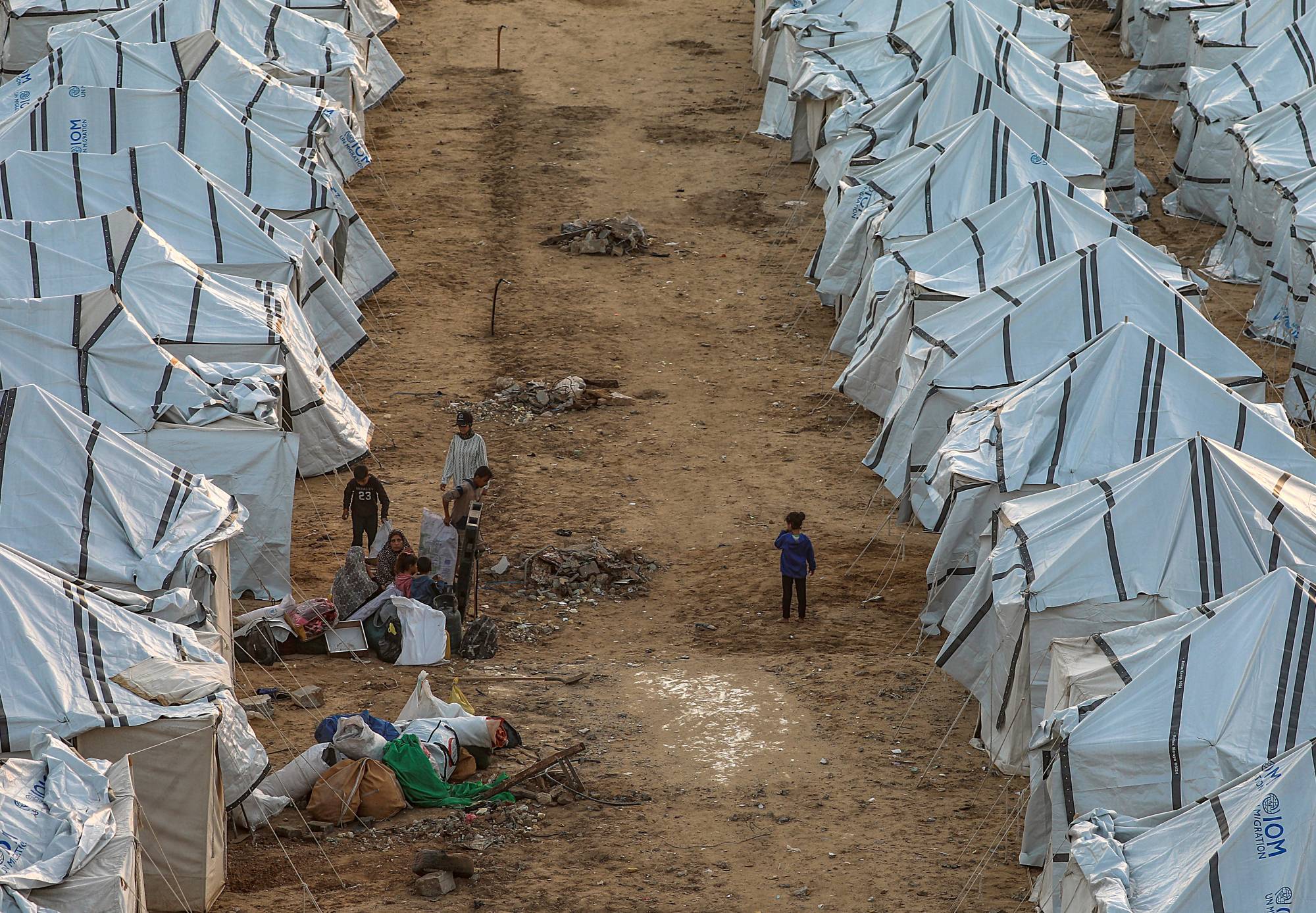
Gazze şehrindeki çadırların önünde oturan yerlerinden edilmiş insanlar, 18 Kasım 2025 (EPA)

Kaynaklar, Hamas’ın söz konusu kararda gördüğü riskin, uluslararası gücün silahsızlandırma görevini sert şekilde uygulaması halinde İzzeddin el-Kassam Tugayları ile diğer Filistinli grupların bu güçle çatışma ihtimali olduğunu belirtti. Hareketin, bu tür bir çatışma yaşanmasını kesinlikle istemediği vurgulandı.

Aynı kaynaklar, uluslararası gücün ve Mısır ile Ürdün’de eğitilecek yerel güçlerin, nüfuzlarını kullanarak Filistinli grupların üyelerini takip edip gözaltına alabileceği endişesini dile getirdi. Bu durumun, 1990’larda Filistin Yönetimi’nin uygulamalarına benzer bir tablo ortaya çıkarabileceği ifade edildi. Böyle bir senaryonun doğrudan çatışmaya yol açabileceği, bunun da kontrol edilemeyecek tehlikeli gelişmeleri tetikleyebileceği belirtildi.

Hamas kaynakları, hareketin BM kararından, söz konusu gücün bir ‘gözlem gücü’ olarak tanımlanmasını ve ateşkesin uygulanmasını sağlamakla görevlendirilmesini beklediğini söyledi. Özellikle de tarafların kabul ettiği, Mısır’ın Şarm eş-Şeyh kentinde varılan ateşkes anlaşmasının İsrail tarafından sık sık ihlal edildiği hatırlatıldı.

Kaynaklar, silahsızlandırmanın güç kullanılarak yapılmasının ‘başarılı olamayacağını ve sonuçsuz kalacağını’ savundu. Filistinli müzakere heyetinin, arabulucularla yürütülen görüşmelerde, bu sürecin İsrail’in veya herhangi bir dış tarafın denetimine bırakılmaması için belirli bir mekanizma oluşturulmasını hedeflediği aktarıldı. Buna göre sürecin özellikle Mısır, Katar ve Türkiye gibi arabulucuların gözetiminde yürütülmesi ve tünellere ilişkin özel bir düzenleme yapılması önerildi. Kaynaklardan biri, “Ancak ABD, İsrail ile uyum içinde, bu sürecin Netanyahu hükümetinin perspektifine göre güç kullanılarak uygulanmasını istiyor” dedi.

Witkoff, el-Hayye ve olası bir görüşme

Kaynaklar, ABD’nin Ortadoğu Özel Temsilcisi Steve Witkoff ile Hamas’ın önde gelen isimlerinden Halil el-Hayye arasında beklenenden daha yakın bir zamanda bir görüşmeye ihtiyaç duyulabileceğini belirtti. Bu kaynaklar, Gazze’nin geleceğinin ele alınması ve İsrail’in BM Güvenlik Konseyi kararını kullanarak güvenlik konularında, yardım dosyasında ve yeniden imar sürecinde kontrol sağlamasının engellenmesi için ABD yönetimiyle doğrudan bir diyaloğun artık zorunlu hale geldiğini vurguladı. Ayrıca, kararın herhangi bir tarafça sahada yeni gerçeklikler dayatmak için kullanılmasını önlemek adına birleşik bir Filistin cephesi oluşturulmasının önemine işaret ettiler.

BM Güvenlik Konseyi’nin kabul ettiği tasarıda yer alan Barış Konseyi’ne ilişkin olarak, Hamas ve diğer Filistinli grupların, bu yapının Gazze Şeridi’nin yönetiminde gerçek bir rolü olmayan sembolik bir oluşum olarak kalmasını beklediği, yönetim sorumluluğunun ise Mısır arabuluculuğunda üzerinde uzlaşılan teknokrat komitesinin elinde olması gerektiği ifade edildi.

Kaynaklardan biri, arabulucular ve hatta ABD ile varılan birçok mutabakatın bağlamından çıkarıldığını, bunun da İsrail’in şartlarının uygulanmasına imkân verdiğini söyledi. Bu durumun, mevcut durumu İsrail’in güvenlik kontrolüne bağladığını, çekilmenin ise belirli ve net takvimlere göre değil, İsrail’in istediği zaman gerçekleşebilecek bir çerçeveye oturduğunu belirtti. Kaynak, aynı zamanda birçok konunun üzerinde mutabık kalınan gerçek içeriğinden arındırıldığını dile getirdi.

Kaynaklar ayrıca, alınan kararın Gazze Şeridi’ni olası bir Filistin devletinin geleceği bağlamında Batı Şeria ve Kudüs’ten kopuk bir şekilde ele aldığını, her bölgenin birbirinden ayrı tutulmasının Filistin’in tek ve bütün bir varlık olarak birliğine açık bir zarar verdiğini ifade etti.

Filistin direnişinin terörle ilişkilendirilmesinin son derece tehlikeli sonuçlar doğuracağı uyarısında bulunan kaynaklar, bunun ileride örgüt üyelerinin, liderlerinin ve hatta bazı sivillerin, faaliyetleri veya ‘terör’ suçlamaları gerekçe gösterilerek Filistin toprakları içinde veya dışında yargılanmasının önünü açabileceğini belirtti. Bu ihtimalin kabul edilemez büyüklükte bir risk taşıdığına dikkat çektiler.
Al-Zaidi’s First Visit to Egypt... A Boost to Cooperation Amid Regional Turmoil

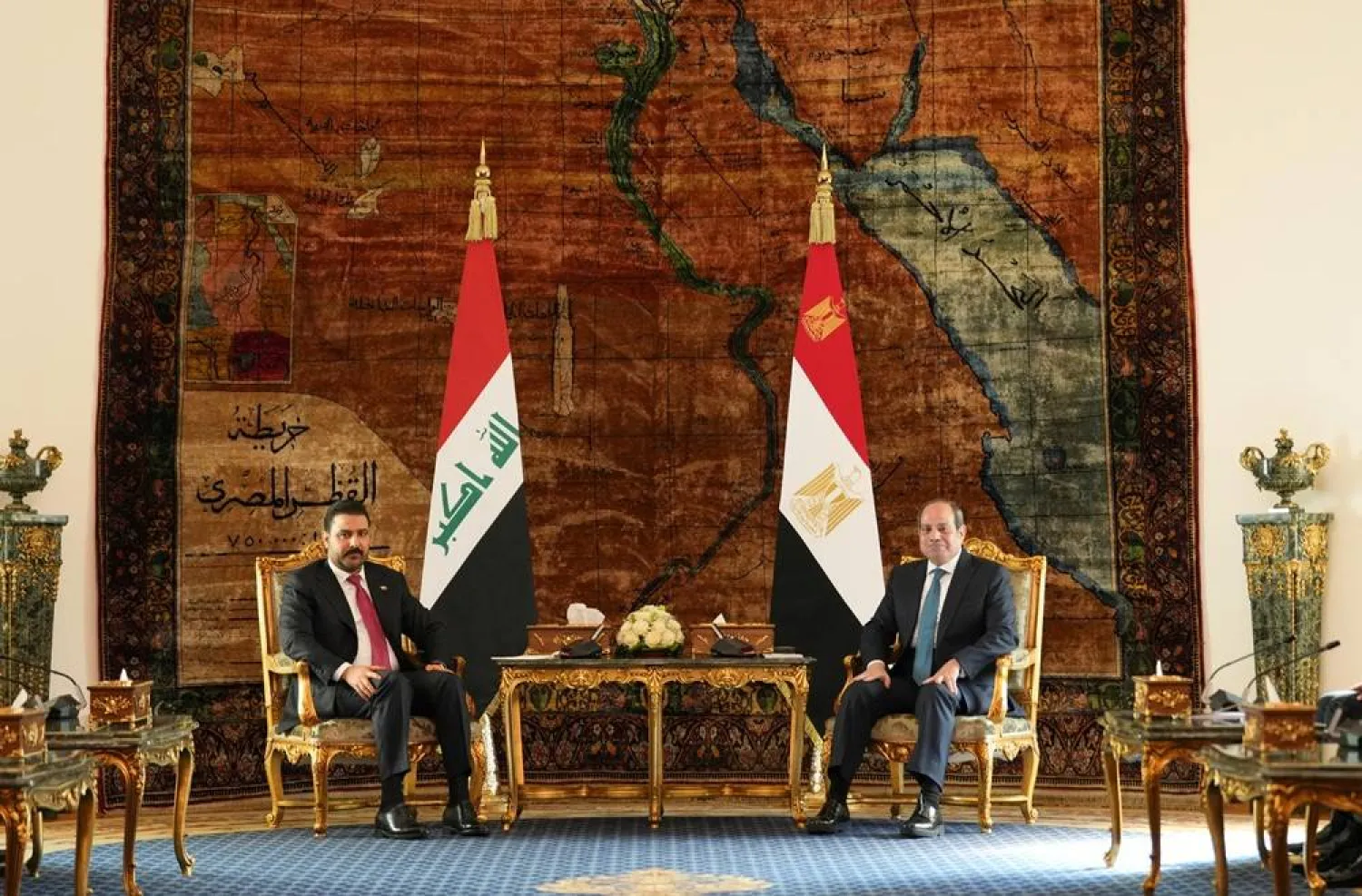
Iraqi Prime Minister Ali al-Zaidi meets Egypt's President Abdel Fattah al-Sisi, in Cairo, Egypt, November 23, 2026. (Iraqi Prime Minister's Media Office/Handout via Reuters)
TT

Al-Zaidi’s First Visit to Egypt... A Boost to Cooperation Amid Regional Turmoil

Iraqi Prime Minister Ali al-Zaidi meets Egypt's President Abdel Fattah al-Sisi, in Cairo, Egypt, November 23, 2026. (Iraqi Prime Minister's Media Office/Handout via Reuters)

Iraqi Prime Minister Ali al-Zaidi kicked off on Monday a visit to Egypt - his first since taking office in May - amid escalating regional challenges, in a move experts and analysts described as a boost to cooperation and coordination in light of regional tensions.

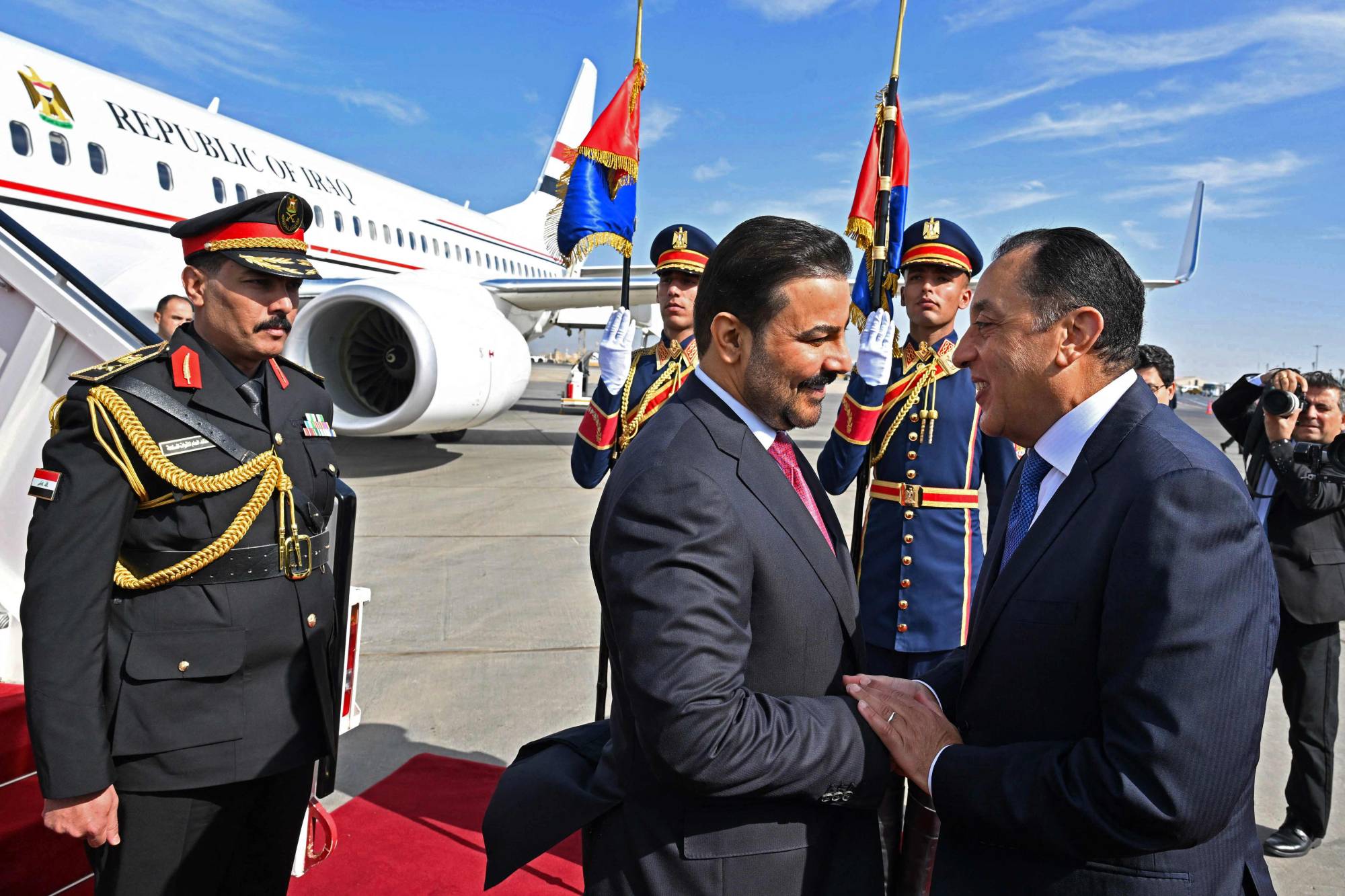
Egyptian Prime Minister Mostafa Madbouly received al-Zaidi at Cairo International Airport before he met with Egyptian President Abdel Fattah al-Sisi.

On Monday evening, al-Zaidi and Madbouly are co-chairing the fourth session of the Joint Higher Committee between the two countries at the government headquarters in the New Administrative Capital.

In a statement, the Egyptian Cabinet said the two sides will witness the signing of several documents across various fields "supporting the enhancement of bilateral cooperation between the two brotherly countries," in addition to attending a business forum to review trade and investment opportunities in both nations.

The visit comes "as both countries seek to open new horizons for joint cooperation, particularly in light of the promising opportunities abundant in Egypt and Iraq across various economic, commercial, and investment fields, with a view to deepening the partnership between the two countries,” it added.

A day earlier, Egyptian Foreign Minister Dr. Badr Abdelatty met his Iraqi counterpart Fuad Hussein on the sidelines of the Aswan Forum, saying he was looking forward to al-Zaidi's visit and the convening of the fourth session of the Joint Higher Committee.

He noted that the visit would give strong momentum to bilateral ties, bolster cooperation across various sectors, and serve the mutual interests of Egypt and Iraq.

The FMs stressed the importance of prioritizing political and diplomatic solutions to resolve crises, and maintaining coordination and consultation on issues of mutual concern to support efforts aimed at achieving regional security and stability.

Region in focus

Al-Zaidi’s first visit to Egypt centers on the regional developments and tensions across the Middle East. His media office said in a statement on Monday that al-Zaidi will discuss ways to confront various challenges in a manner that strengthens regional security and stability.

According to an Egyptian presidential statement, the PM expressed during his meeting with Sisi his appreciation for Egypt’s efforts aimed at easing regional tensions and preserving stability.

He underlined Iraq’s desire to intensify political consultation to prevent renewed regional escalation.

Egypt's Prime Minister Mostafa Madbouly (R) shakes hands with his Iraqi counterpart Ali al-Zaidi upon his arrival at the airport in Cairo on November 23, 2026. (AFP)

On bilateral cooperation, the two sides discussed ways to deepen joint collaboration in energy, investment, trade, and military cooperation.

Sisi reaffirmed Egypt’s steadfast position in support of the security and stability of all Arab countries, saying their security is an extension of Egyptian national security.

He highlighted Egypt’s persistent efforts to resolve ongoing regional crises.

Significance of the visit

Mohammed Hegazy, a member of the Egyptian Council for Foreign Affairs and former assistant foreign minister, said al-Zaidi's visit reflects growing Iraqi recognition of the importance of revitalizing relations with its Arab neighborhood.

Speaking to Asharq Al-Awsat, he added that Iraq, by virtue of its geographical and political standing, as well as its economic weight and resources, "cannot remain detached from the equations of security and stability in the region.”

“Cairo is a key Arab partner for Baghdad with extensive political and diplomatic experience and the ability to engage with various regional and international actors,” he went on to say.

Al-Zaidi’s first visit reflects "a desire to elevate the relationship from routine political coordination to a deeper, more sustainable partnership, and to move toward a policy grounded in national interests, balance, and strengthening the Arab presence in confronting current challenges,” he added.

He noted that Egypt and Iraq have a significant opportunity to expand cooperation, "but its success hinges on moving from agreements and memoranda of understanding to concrete projects with measurable results."

Hegazy believes this momentum should be built upon by identifying priority projects, while expanding opportunities for cooperation in electricity, electrical interconnection, the exchange of expertise in the oil and gas sector, and renewable energy projects.

Egyptian-Iraqi trade exchange reached roughly $1.1 billion in 2024, according to official Egyptian figures.

Hegazy said this remains well below available potential, and therefore the objective should not merely be increasing trade volume, but diversifying it and boosting investment.


Lebanon: Number of Detainees in Al-Qaa Explosives Case Rises to Six

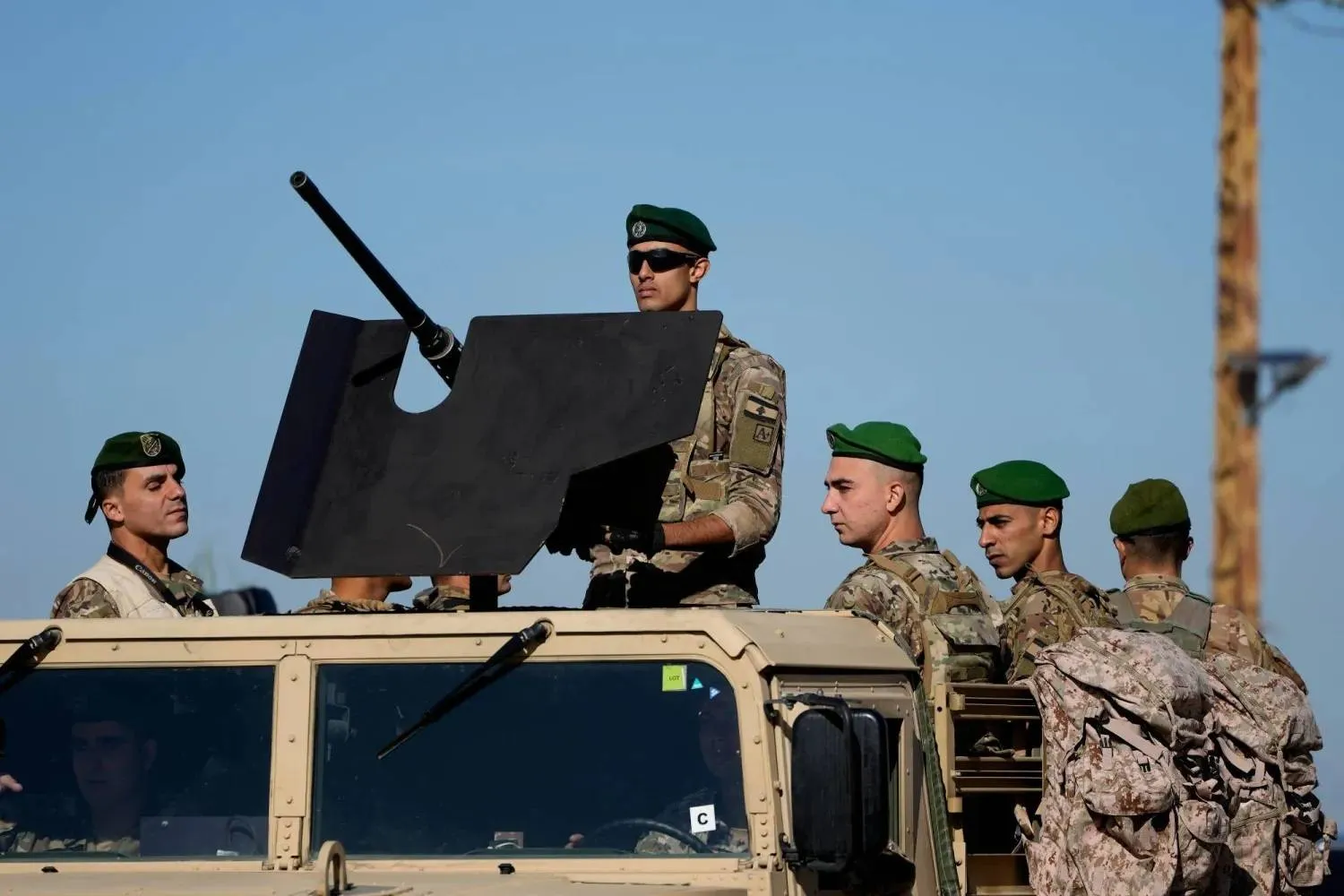
Lebanese soldiers deployed in southern Lebanon. (AP file)
TT

Lebanon: Number of Detainees in Al-Qaa Explosives Case Rises to Six

Lebanese soldiers deployed in southern Lebanon. (AP file)

The number of detainees held in connection with the explosives shipment arriving from Syria, which the Lebanese Army seized in the Mashari al-Qaa area of the Bekaa Valley on Sunday, has risen to six Lebanese nationals.

Security agencies are tracking down two Syrians suspected of having been set to receive the cargo.

Government Commissioner to the Military Court Judge Claude Ghanem ordered the preliminary investigation transferred from the Military Police to the Army's Intelligence Directorate in order to expand the probe and identify the party for which the shipment was intended.

The number of detainees will likely rise as the investigation unfolds.

A judicial source told Asharq Al-Awsat that preliminary information indicates the two Syrians "were supposed to handle transporting the explosives to warehouses in the Bekaa," noting that their arrest is expected to help "uncover the identity of the recipient."

The source confirmed that Judge Ghanem "requested that samples of the seized TNT and C-4 be sent to laboratories for analysis, in an effort to determine their origin and compare them with samples from the Dahr al-Baidar shipment."

He pointed to "similarities between the materials seized in both shipments, with tests awaited to determine whether they are identical."

The Lebanese Army's announcement on Sunday regarding the seizure coincided with a statement by Syrian security forces reporting the confiscation of a cache of weapons in the Damascus countryside that they said was destined for smuggling into Lebanon.

The Lebanese Army had previously intercepted roughly 200 kilograms of explosives near the Syrian border in the Lebanese area of al-Qasr, while the person transporting them fled toward Syria.

A security source told Asharq Al-Awsat that repeated seizures along the eastern and northern borders "call for strengthening field measures and maintaining continuous coordination between Lebanon and Syria to close the loopholes threatening the security of both countries."

The security source stressed "the need to raise the readiness of security agencies to thwart smuggling operations before shipments reach their destinations."


Israel Defense Minister Says Police, Not Army, Should Handle Settler Violence

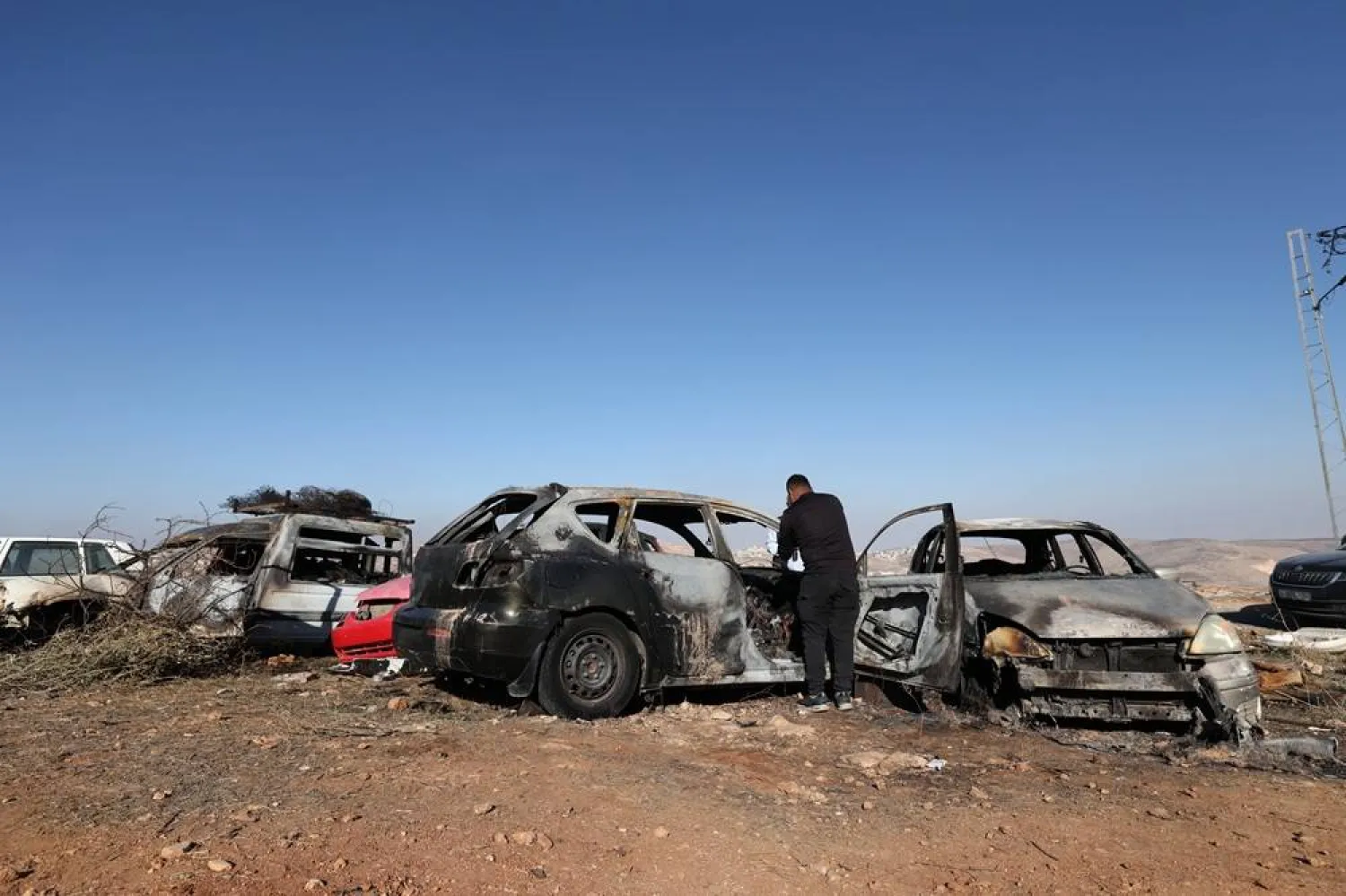
Palestinians inspect the damage after Israeli settlers set fire to their cars at the West Bank village of Kufr Malik, 22 November 2026. (EPA)
TT

Israel Defense Minister Says Police, Not Army, Should Handle Settler Violence

Palestinians inspect the damage after Israeli settlers set fire to their cars at the West Bank village of Kufr Malik, 22 November 2026. (EPA)

The defense minister in Israel's caretaker government on Monday said the police, not the military, should deal with violent settlers in the occupied West Bank, after Palestinian vehicles and properties were torched over the weekend.

It is not the first time Israel Katz, who serves in the right-wing caretaker government of Benjamin Netanyahu, has spoken about transferring civilian law enforcement over West Bank settlers to the police.

If implemented, the measure could constitute a step towards Israeli annexation of the Palestinian territory.

On Monday, Katz called the "ongoing violence by a handful of rioters... extremely serious in every respect."

The military "should not and cannot deal with civilian law enforcement over the Jewish population in Judea and Samaria" he added, using the biblical name for the West Bank, which Israel has occupied since 1967.

"Therefore, in accordance with my directive, the army has formulated a plan to transfer responsibility for civilian criminal enforcement in the territories to the Israel Police, which will be reinforced and prepared accordingly," Katz said.

"Only in this way will it be possible to normalize reality in Judea and Samaria and enable the settlements to flourish and prosper," he added.

Katz made a call to transfer law enforcement in August, during a siege of Palestinian homes in the northern West Bank, saying the police would "prepare and establish an appropriate force to handle civil matters".

His statement on Monday comes after Israeli authorities said they were investigating the torching of Palestinian vehicles and property in four West Bank villages over the weekend.

Social media posts showed vehicles in flames as well as slogans written on walls, including: "In blood and fire Judea has fallen, in blood and fire Judea will rise again".

At a conference on Monday, Israeli President Isaac Herzog said "violence by Jewish extremists against innocent people... is despicable and deserves strong condemnation," insisting that law enforcement was working "to scour this terrible moral stain".

Violence in the West Bank, occupied by Israel since 1967, has surged since Hamas's October 7, 2023 attack on Israel, which triggered the Gaza war.

More than 500,000 Israelis live in West Bank settlements, which are illegal under international law, in a territory home to around three million Palestinians.