
​İran, Irak’taki Şiileri birleştiremedi

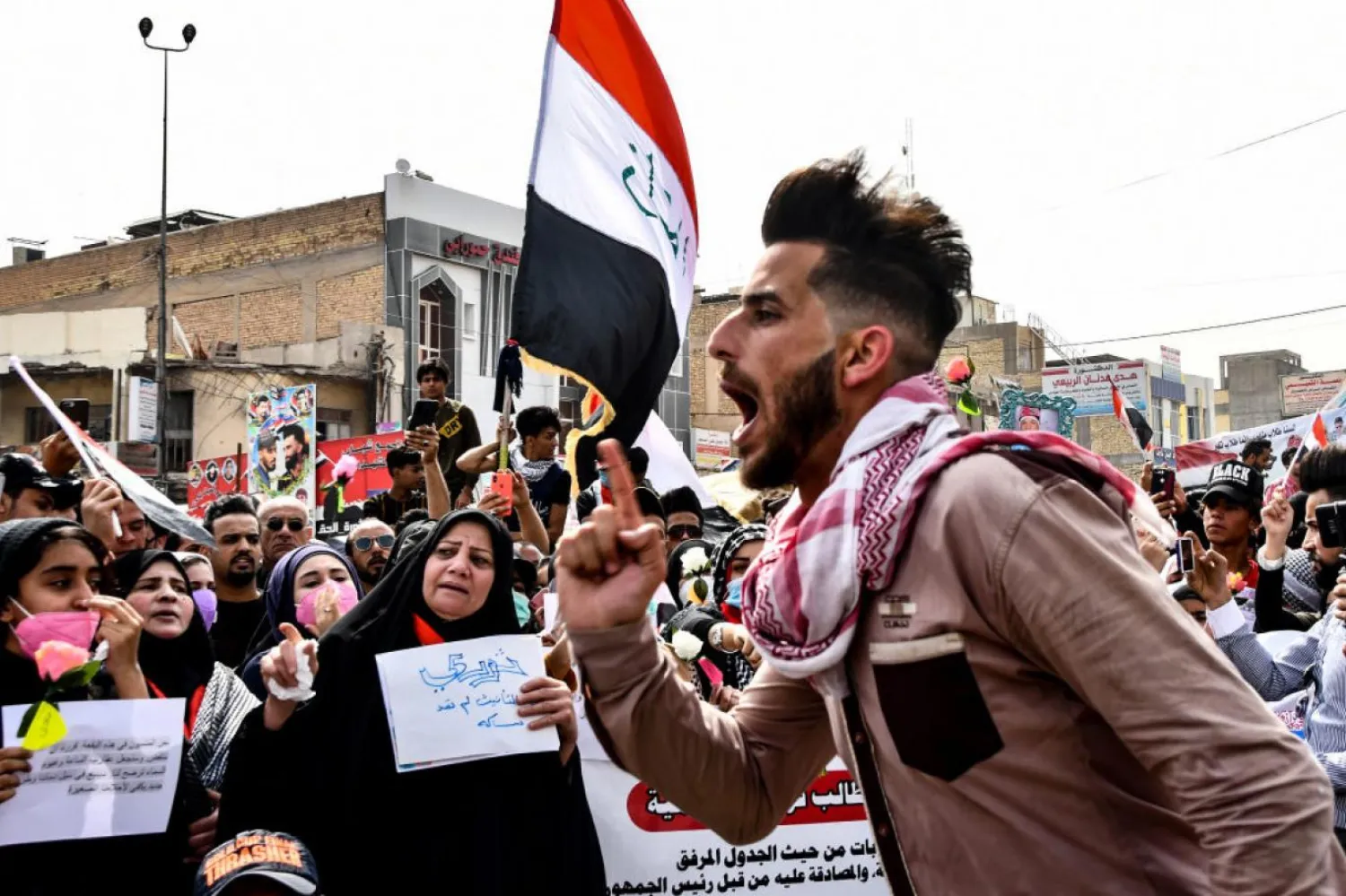
Sadr hareketi lideri Mukteda es-Sadr, Kudüs Gücü Komutanı İsmail Kaani ile görüşmeyi reddetti (Getty Images)
TT

​İran, Irak’taki Şiileri birleştiremedi

Sadr hareketi lideri Mukteda es-Sadr, Kudüs Gücü Komutanı İsmail Kaani ile görüşmeyi reddetti (Getty Images)

Ahmed es-Suheyl
Irak’ta Fetih Koalisyonu ve diğer bazı Şii güçlerin Adnan ez-Zurfi’nin hükümeti kurmakla görevlendirilmesine karşı olmalarına rağmen Zurfi, parlamentodan güvenoyu almasını sağlayacak çoğunluğun desteğini kazanmak üzere gibi görünüyor. İran Devrim Muhafızları Ordusu’na (DMO) bağlı Kudüs Gücü Komutanı İsmail Kaani’nin Şii güçlerini Zurfi’ye alternatif bir isim belirlemeye zorlama çabaları pratik sonuçlar vermezken Zurfi’nin çok sayıda Şii tarafın desteğini aldığı, bununla birlikte Sünni ve Kürt siyasi bloklarından açıkça bir ret ile karşılaşmadığı anlaşılıyor.
Ancak Zurfi’nin adaylığına,  Asaib Ehli'l Hak’a bağlı Sadikun Grubu’nun içinde yer aldığı Hadi el-Amiri liderliğindeki Fetih Koalisyonu, eski başbakanlardan Nuri el-Maliki liderliğindeki Kanun Devleti Koalisyonu ve gözlemcilerin hala kararsız olduğuna inandıkları Ammar el-Hekim liderliğindeki Ulusal Hikmet Koalisyonu gibi önde gelen Şii siyasi bloklar tarafından karşı çıkılıyor.
Buna karşın Irak eski Başbakanı Haydar el-İbadi liderliğindeki Nasır (Zafer) Koalisyonu ve Mukteda es-Sadr liderliğindeki Sadr Hareketi'nin desteklediği Sairun Koalisyonu gibi Şii siyasi bloklar, Zurfi’yi destekliyorlar. Sünni ve Kürt blokları ise Zurfi’yi destekleme veya desteklememe konusunda herhangi net bir tutum ortaya koymuyorlar.
Irak resmi haber Ajansı INA’ya göre Zurfi’nin parlamentodan kabinesinin ve hükümet programının oylanması amacıyla düzenlenecek olağanüstü oturum için bir tarih belirlemesini istiyor. Bu arada Zurfi, hükümet programını 4 Nisan Cumartesi günü Meclis Başkanlığı’na sunmuştu.

Sadr, Kaani ile görüşmeyi reddetti
Kudüs Gücü Komutanı İsmail Kaani’nin Şii kanadı, Zurfi’nin adaylığına karşı çıkma pozisyonunda birleştirme çabaları konuşulurken Iraklı siyasi bir kaynağın yerel haber sitelerinde yer alan açıklamasına göre Sadr hareketi lideri Mukteda es-Sadr, Kaani ile görüşmeyi reddetti.
Sadr ile görüşmenin Kudüs Gücü Komutanı’nın gündeminde olduğunu söyleyen kaynak, ancak Sadr’ın bu görüşmeyi reddettiğini ve Irak’ın iç işlerine müdahale edilmemesi gerektiğini belirten bir mesaj gönderdiğini belirtti. Kaynak, Sadr'ın Askeri Danışmanı Ebu Dua İsavi’nin Sadr’dan Kaani’ye ‘Irak’ın yeni bir hükümet kurulması konusunda herhangi bir dış müdahaleyi reddettiği’ şeklinde yazılı bir mesaj ilettiğini söyledi.

Abdulmehdi görevde kaldı
İran’a yakın güçler olarak nitelendirilen başlıca Şii güçlerin, Zurfi’nin ‘anayasaya aykırı bir şekilde’ hükümeti kurmakla görevlendirildiği ve ‘ABD yanlısı’ olduğu şeklindeki suçlamalarla yaptığı tüm itirazlara rağmen Sadr Hareketi, Zurfi’nin adaylığına karşı olduğunu hiç söylemedi. Bütün göstergeler, Sadr Hareketi’nin desteklediği Sairun Koalisyonu’nun mümkün olan en kısa sürede bir hükümetin kurulmasını istediğine işaret etti.
Sairun Koalisyonu Milletvekili Riyad el-Mesudi konuyla ilgili açıklamasında, “Mesele, bazı istismarlar, ertelemeler ve gecikmelerin neden olduğu anayasal boşluklardan ve Zurfi'nin başarısız olma sürecinde Iraklıların ‘tartışmaları ve kabullenişleri’ gibi ifadelerin seçimlerinden kaynaklanıyor. Sairun Koalisyonu, ülkenin her alanda yaşadığı büyük zorluklar nedeniyle en kısa sürede bir hükümetin kurulmasını önceliyor. Bazı siyasi bloklar, Adil Abdulmehdi'nin başbakan olarak kalması için başbakan adaylarını kasıtlı olarak reddetti. Çünkü böylece büyük kazançlar elde ettiklerini düşünüyorlar” diye konuştu.
 
Şii güçler tansiyonu yükseltiyor
Şarku’l Avsat’ın Independent Arabia’dan aktardığı habere göre, Zurfi’nin hükümeti kurmakla görevlendirilmesine karşı çıkan hareketlerle birlikte, İran yanlısı silahlı gruplar da söylemlerini sertleştirdiler. İran yanlısı silahlı sekiz grup yayınladıkları ortak bir bildiri ile Adnan ez-Zurfi'yi ‘ABD’nin istihbarat ajanı’ olmakla suçlayarak bazı milletvekillerinin onu desteklemesini ise kınadılar.
Bu gerilim, Kaani'nin Şii güçler arasında Zurfi’nin adaylığına karşı fikir birliği elde etme çabalarına dair bir izlenim verebilir. Bununla birlikte gözlemcilere göre Sünni ve Kürt siyasi güçlere mevcut tutumlarından vazgeçmeleri şeklinde gönderilen bir mesaj da olabilir.
Ortak bildirinin yayınlanmasından birkaç saat sonra, Mukteda es-Sadr adına paylaşımlarda bulunmasıyla bilinen Salih Muhammed el-Iraki, Facebook hesabından, “Birçok siyasetçi ve kendilerini ‘Direniş Grupları’ olarak adlandıran gruplardan bazıları, belalardan ve salgınlardan rahatsız olmayıp hala çıkarları peşinde koşuyorlar. Direniş Grupları’na şunu söylemek istiyorum; ‘Dünyaya olan bu sevginizi dizginleyin. Çünkü halkınız ölüm, yaklaşan bir savaş ve Allah korusun salgının eşiğinde.’” ifadelerini kullandı.

İran’ın rolü zayıflıyor
Iraklı araştırmacı ve akademisyen Akil Abbas konuya ilişkin olarak İndepenedent Arabia’ya yaptığı değerlendirmede, “Süleymani ve Mühendis suikastının yanı sıra koronavirüs krizinden sonra İran’ın rolü zayıfladı. Bu durum, Kaani’nin Irak'taki görevinin başarısızlıkla sonuçlanmasına katkıda bulundu. İran’ın nüfuzu güçlü olmasa ve Şii güçlere kendi iradesini dayatamasa bile Kaani’nin başarısızlığının tek nedeni İran’ın rolünün zayıflaması değil” diye konuştu.
Ekonomik yaptırımlar ve koronavirüs krizinin bazı Şii aktörleri İran'ın iradesine meydan okuyacak şekilde güçlendirdiğini söyleyen Abbas, “Sadr’ın Kaani ile görüşmeyi reddetmesi şaşırtıcı bir durum değil. Sadr daha önce de birkaç kez bazı İranlı politikacılarla görüşmeyi reddetti. Hatta bazı durumlarda Süleymani ile görüşmeyi de reddettiği söylendi. Sadr, İran'ın gücüne bir tür başkaldırıyor. Fakat bu düşmanca değil, yumuşak bir başkaldırıdır” yorumunda bulundu.
Zurfi’nin kabinesinin parlamento tarafından onaylanma şansının çok yüksek olduğunu düşünen Abbas, Zurfi hükümetinin güvenoyu alma imkanının son saatlerde yapılacak anlaşmalara bağlı olduğunun da altını çizdi. Silahlı grupların Zurfi'ye karşı çıkmaları ve açıkça tehdit etmelerinin, onu parlamento çatısı altında engelleyecek güce sahip olmadıkları izlenimi verdiğini söyleyen Abbas, “Düşük petrol fiyatları ve koronavirüs krizinin yanı sıra yarı felçli geçici bir hükümetin varlığından kaynaklanan Irak’ta mevcut durum, siyasi elitlerin Zurfi’nin hükümet kurma çalışmalarını sürdürmesi için baskı yapmalarına neden oluyor” şeklinde konuştu.
Başbakanlık konusundaki tartışmaları sürdürmenin Adil Abdulmehdi’nin görevini sürdürmesini destekleyen taraflar için bir zaman kazanma taktiği olduğuna inandığını belirten Abbas, “Iraklılar bu davranışı ülkede yaşananlara karşı bir kayıtsızlık olarak yorumladı. Bu durum eğer koronavirüs riski azalırsa yüksek katılımları protestolara dönüşebilir” dedi.

Müzakere sayfası
Öte yandan siyaset araştırmacısı Hişam el-Muzani İndependent Arabia’ya yaptığı açıklamada, “Sadr, İran ekolüne karşı ideolojik bir model. Bununla birlikte Süleymani’nin öldürülmesinden sonra genel olarak Irak'taki Şiiler siyasi krizle ilgili bağlantılarında farklılaştılar. Sadr, kendisini Batı ve Doğu'da ılımlı bir Şii alternatifi olarak sunup yeni bir imaj oluşturmaya çalışıyor” değerlendirmesinde bulundu.
Kaani’nin Şii güçleri birleştirme görevinde başarısız olmasının nedeninin Süleymani’nin olmayışı değil, ABD’nin stratejisiyle doğrudan çatışmaya yönelmesi olduğunu söyleyen Muzani, söz konusu ABD stratejisinin, Zurfi’ye destek konusunda Şii siyasi güçlerin tutumunda çatlaklar yaratan, vizyonundaki bir değişiklik olduğunu belirtti.
Geleneksel Şii güçlerin en büyük korkularının, ABD ile İran arasında müzakere konusu haline gelmeleri, gözden çıkarılmaları ve doğrudan hedef alınmaları olduğuna dikkati çeken Muzani, “Bu güçlerin İran'ın elinde bir pazarlık konusu haline gelmesi, onlar için ABD’nin hava saldırılarından daha da kötü” diye konuştu.

Şii güçler arasında endişe ve parçalanma korkusu
Independent Arabia’ya konuşan gazeteci yazar Felah ez-Zehebi ise şunları söyledi;
“Tüm göstergeler, Zurfi’nin siyasi güçlerin çoğunun desteğini aldığına işaret ediyor. Bazılarının bunu, Haşdi Şabi çatısı altında olmayan silahlı gruplardan korktukları için açıklamadıklarına inanılıyor. İran, Irak'ı ABD ile müzakere edebileceği bir yangın yeri olarak görüyor. Ancak tam da yaptırımların bir kısmının kaldırılmasını beklerken ortaya çıkan tüm koşullar İran'a baskı yapıyor. Şii siyasi güçlerin çoğu, Zafer Koalisyonu ve Kanun Devleti Koalisyonu tarafından desteklendiği için Zurfi hükümetini destekliyor. Ammar el-Hekim ise sopayı dengede tutmaya çalışıyor. Ancak en sonunda bir yana ağırlık vermek zorunda kalacak. Sadr, ‘utanmaz milisler’ olarak nitelendirdiği tarafları yenerek Zurfi hükümetinin parlamentodan geçmesi için baskı yapacak. Temel endişe ise Zurfi'nin iktidara geldikten sonra bu güçlere yönelmesi ihtimaliyle ilgili. Şii güçler parçalandılar ve çatışma aşamasından aşınma aşamasına geçtiler.”



ميرتس من كييف: إذا لم يتم وقف روسيا فستنقلب آلتها الحربية ضدنا

المستشار الألماني فريدريش ميرتس لدى وصوله إلى كييف (د.ب.أ)
TT

ميرتس من كييف: إذا لم يتم وقف روسيا فستنقلب آلتها الحربية ضدنا

المستشار الألماني فريدريش ميرتس لدى وصوله إلى كييف (د.ب.أ)

وصل المستشار الألماني، فريدريش ميرتس، إلى كييف، اليوم (الأحد)، برفقة رؤساء تنفيذيين لشركات دفاع ألمانية، في بادرة دعم للرئيس الأوكراني فولوديمير زيلينسكي مع تصاعد الهجمات الروسية على المدن الأوكرانية.

وقال مسؤولون في الحكومة الألمانية إن ميرتس سيعلن حزمة إجراءات تشمل تقديم مليار يورو مساعدات عسكرية و350 مليون يورو لإصلاحات في قطاع الطاقة. ومن المتوقع أيضاً أن تضع الزيارة اللمسات الأخيرة على اتفاق للإنتاج المشترك لأنواع مختلفة من الطائرات المسيرة.

وقال ميرتس: «سافرت إلى كييف اليوم لأن أوكرانيا بحاجة إلى كل دعمنا في الأسابيع المقبلة»، مشيراً إلى أن القوات الروسية تقصف البلدات والمباني السكنية ومحطات التدفئة. وأضاف: «إذا لم يتم وقف روسيا، فستنقلب آلتها الحربية ضدنا عاجلاً أم آجلاً»، وفقاً لما ذكرته وكالة «رويترز» للأنباء.

وتابع: «سأقول للرئيس زيلينسكي اليوم: يمكنك الاستمرار في الاعتماد على مساعدتنا».

ويرافق المستشار الألماني وزيرة الاقتصاد، كاترينا رايشه، ووفد اقتصادي يضم مسؤولين تنفيذيين من «سيمنس إنرجي»، و«هينسولت»، و«ديهل ديفنس»، و«كوانتم سيستمز»، وشركات أخرى.

ومن المتوقع أيضاً أن يحث ميرتس الحكومة الأوكرانية على إحراز تقدم في الإصلاحات التي يطلبها شركاء الاتحاد الأوروبي، بما في ذلك مكافحة الفساد.

وقال زيلينسكي يوم الأربعاء، بعد اتصال هاتفي مع ميرتس، إن أوكرانيا ستضع قريباً اللمسات الأخيرة على الاتفاق مع ألمانيا لإنتاج الطائرات المسيّرة والصواريخ والبرمجيات ذات الصلة.

ومن المتوقع أن ينصب جانب كبير من التركيز على الإنتاج السريع لطائرات مسيّرة مضادة للطائرات النفاثة، نجحت شركة «كوانتم»، وهي شركة ألمانية لتكنولوجيا الدفاع، في اختبارها. وتستخدم روسيا منذ الصيف عشرات الطائرات المسيّرة الهجومية النفاثة عالية السرعة يومياً لاستهداف البنية التحتية المدنية والعسكرية.

وفي أبريل (نيسان)، أعلنت «كوانتم» وشركة «دبليو آي واي درونز» الأوكرانية المصنعة تأسيس «كوانتم دبليو آي واي إندستريز»، وهو مشروع مشترك لإنتاج الطائرة المسيّرة الاعتراضية «ستريلا» وتكنولوجيات الدفاع الجوي ذات الصلة.

ويتضمن الاتفاق أيضاً التطوير والإنتاج المشتركَين لأسلحة يزيد مداها على ألف كيلومتر يمكن لأوكرانيا استخدامها لشنِّ هجمات في عمق روسيا.

وقال مسؤولون حكوميون إن زيادة التعاون ستسمح بتدفق الأموال والتكنولوجيا إلى الجمهورية الاتحادية، إذ يمكن إنتاج الأسلحة وتعزيز الدفاعات ضد الطائرات المسيرة التي تستهدف البنية التحتية الحيوية.

وقال ميرتس، يوم الخميس، إن ألمانيا لن ترهبها الزيادة في عدد الهجمات الهجينة التي تشنُّها روسيا على الدول الأوروبية.

وقالت وزارة الخارجية الروسية، في بيان أمس (السبت)، إن موسكو ستواصل ضرب أهداف في أوكرانيا بصورة منهجية، بينما قالت إنها ضربات انتقامية للهجمات الأوكرانية على روسيا في الأشهر القليلة الماضية. وحذرت الرعايا الأجانب وموظفي البعثات الدبلوماسية من البقاء في أو السفر إلى أوكرانيا.

وقال زيلينسكي لـ«رويترز»، يوم السبت، إن قوات بلاده المسلحة ستكثِّف هجماتها على مصافي النفط في روسيا رداً على «العقيدة الجديدة» لموسكو المتمثلة في تصعيد الهجمات على البنية التحتية المدنية، والتي قال إنها تهدف إلى إجبار سكان كييف ومدن أخرى على الفرار.


A Pizza Renaissance in Rome

An array of slices of pizza al taglio at Frumentario (The New York Times)
TT

A Pizza Renaissance in Rome

An array of slices of pizza al taglio at Frumentario (The New York Times)

Rome: By Anya von Bremzen

The rectangles of pizza al taglio behind the counter of shoebox-size Frumentario, in Rome’s workaday San Giovanni district, resembled fantastical still lifes.

One was topped with softly scrambled eggs glowing saffron beneath a blizzard of chives; another had spindly wild greens called agretti looping over pink ribbons of ham. A third was a mosaic of earthy tones: cardoncelli mushrooms scattered across a golden crust and punctuated with ruby shards of tomato confit.

Then the young pizzaiolo Alessandro Santilli anointed each order with a last-minute flourish, dolloping onion-and-guanciale jam onto the eggs, drizzling demi-glace over a tableau of fried artichokes, beef and sheep’s milk ricotta. “Frumentario” alludes to the grain laws through which ancient Rome provisioned its masses. “I wanted to offer something creative, but at populist prices,” said Santilli, who usually offers some 20 toppings a day (from 3 euros, or about $3.50, per portion).

Welcome to the new golden age of pizza romana.

For years, the round, puffy-edged Neapolitan pie dominated the Italian pizza narrative. Today, Rome is eclipsing it by reinventing its own traditions, starting with the vernacular pizza al taglio — literally, “pizza by the cut” — those long rectangular slabs or oblongs hacked to order and sold by weight.

Pizza romana originated in bread bakeries as a humble snack, served bianca (plain) or red with tomato sauce, said Pierluigi Roscioli, the third-generation baker behind Antico Forno Roscioli, and part of the family that’s given us the celebrated Salumeria Roscioli.

In the 1960s and ’70s, immigrants from Abruzzo, he said, brought their pizza in teglia (pizza in an iron pan) to the Italian capital, and the two lineages merged.

Roscioli went on to transform pizza bianca into Rome’s most coveted carb unit, with long fermentations of dough and fanatical attention to detail.

In 2003, the star pizzaiolo Gabriele Bonci sparked his own movement when he opened Pizzarium with thick sourdough crusts and toppings like vanilla-scented potatoes.

Now a “Roman pizza 3.0” generation is shaking things up.

And so, during a recent stay in Rome, I succumbed to a delicious carb-on-carb overload in pursuit of the city’s most exciting pizza developments.

“Today, Rome’s best pizza al taglio isn’t just about a beautiful counter display,” said Sara Bonamini, the co-founder of Tulipane bakery and the former editor of Gambero Rosso’s Pizzerie d’Italia guide. “It’s about taking something simple and making it with tremendous care, so that every piece carries a story, a heritage.”

She could have been describing the work of Francesco Arnesano of Lievito.

The 31-year-old baker-pizzaiolo, with two shops in the EUR district, told me that great pizza al taglio is about coaxing the ultimate expression from just a few special ingredients.

I appreciated this wisdom while sampling his rectangles topped with white wine-braised meatballs and emerald seasonal peas, then fluffy Lazio potatoes slow-poached in butter, followed by pizza bianca filled with housemade Fassona roast beef, pickled giardiniera and citrusy mayo (from 3 euros per portion).

The secret to his deeply complex pizza crust? A cuvée of flours milled by the Sicilian grain guru Filippo Drago.

“There is soft wheat for structure,” Arnesano explained with professorial poise, “hard durum for crunch, and whole-grain spelt plus some rye for aroma and flavor.”

“Oh, and Drago’s soft wheat comes from an evolutionary population,” he added, a genetically diverse mix of varieties grown together so the plants adapt naturally to local conditions.

For those unwilling to trek to far-flung quartieri, two of the city’s most exciting addresses are found around Circo Massimo. During a June heat wave, the archaeological site was too scorching to wander. Instead, my partner and I perched on shaded stools outside tiny Ruver Teglia Frazionata, under a red-and-white banner proclaiming: LESS DRAMA MORE PIZZA.

A former Bonci disciple, Alessandro Ruver opened this spot in 2023 at age 29, quickly drawing attention with signature toppings like a ricotta-spinach raviolo reimagined as pizza, and a “Raguver” involving a soulful ragu of Chianina beef roasted for hours.

Inspired by recent visits to Istanbul, Ruver has created an Adana kebab pizza.

I marveled at cumin-scented lamb and veal scattered over roasted eggplant and green friggitelli peppers under drizzles of tangy sheep’s-milk kefir. Was it the coolest cross-cultural mash-up ever to happen to pizza? Or was that his croque madame riff with artisanal ham, organic eggs and a wickedly luscious melt of 30-month Comté cheese (from 2.5 euros per portion)?

By the other side of Circo Massimo, Fratelli Trecca is the latest venture from the brothers Manuel and Nicolo Trecastelli, whose Pantera Pizza Rustica and trattoria Trecca Roma, both in the Ostiense neighborhood, have legions of fans.

Their new pizzeria, all marble tables and AS Roma soccer memorabilia, replaced Circoletto, their natural wine bar. You can still order it here, tucked inside warm pizza bianca, an unctuous, gloriously messy bite.

“We’ve had lots of fun transplanting trattoria dishes onto pizza al taglio,” Manuel said gleefully, meaning tripe in bright tomato sauce, oniony chicken-gizzard ragu, and a faux coda alla vaccinara starring celery instead of braised oxtail (from 2.5 euros per portion).

Trecca’s crust was a small miracle of dough engineering: shatteringly crisp, almost mille-feuille-like, yet sturdy enough for the weightiest toppings. “It took years of tinkering,” Nicolo said, while I devoured a seasonal slice topped with a mélange of raw late-spring tomatoes.

If pizza al taglio is a lunchy snack, at night Romans dine on their own tonda (round) pizza.
The crust? Sottile (thin) and croccante (crispy) — adjectives utterly reviled in Naples.

Romans call this crust scrocchiarella, and they love it so much that it took some heroic maneuvers to score an impossible Saturday-night reservation at 180 Grammi, the current it pizzeria in far-flung Centocelle, a working-class quarter turned foodie enclave on Rome’s eastern edge.

Thirtysomething owner Jacopo Mercuro abandoned a legal career and opened 180 Grammi — named for the weight of a dough ball — in 2018.

Since then he’s won every accolade for his crust with deliciously singed edges that crackle, and toppings ranging from classic to iconoclastic.

We started with a witty creation involving dusky salami, buffalo mozzarella, and a spicy house sauce of honey, fermented chilies and ‘nduja. Just as I thought no carb can surprise, a pizza arrived deconstructing (gulp) ketchup, with a base of roasted tomatoes, blobs of mayo inspired by ketchup’s original ingredients — mushrooms, ginger and soy — plus smoky-paprika crumbs adding texture (pies from 9 euros).

Matilde Serao, the great turn-of-the-20th-century chronicler of Naples, described pizza as the pronto soccorso dello stomaco — the stomach’s first aid for the Neapolitan poor. I contemplated her words over a multicourse pizza degustation at Seu Pizza Illuminati, the sleek, slate-hued Trastevere spot run by the celebrity pizzaiolo Pier Daniele Seu and his wife, Valeria Zuppardo, fresh from launching a pizza bar at the luxe Bulgari Hotel in Paris.

Neither Roman-crispy nor Neapolitan-puffy, Seu’s auteurish creations — feather-light dough blistered in a wood-burning oven — ran to things like a Margherita featuring a 24-hour reduction of San Marzano tomatoes, and a slice topped with a deconstruction of carrots — Cajun-spiced carrots, carrot chips and cream (signature pies from 15 euros; degustation menu from 35 euros).

There was also a dessert pizza riff on tiramisù, along with a killer sparkling wine list, and staff discoursing on esoteric tomato varieties. Yet all around also were big Roman families devouring Margheritas and capricciosas with beer. “We’re still a neighborhood pizzeria at heart,” Seu said.

The New York Times


‘Between the Lines’: Lebanon’s Constitution Under the Microscope at 100

The presidential palace in Lebanon (National News Agency)
TT

‘Between the Lines’: Lebanon’s Constitution Under the Microscope at 100

The presidential palace in Lebanon (National News Agency)

Lebanon’s Culture Ministry is putting the constitution under the microscope on its centenary, urging citizens, especially young people, to examine their rights and the gap between the text and a century of political practice.

The aim is to help Lebanese people read between the lines to understand “their constitutional rights and the political system it established,” Culture Minister Ghassan Salame told Asharq Al-Awsat.

It also seeks to “open a debate about the gap between what the constitution stipulates and what has been implemented over a hundred years, exploring the relationship between the constitutional text and political practice in the country,” he said.

The centenary events begin with an exhibition titled “Between the Lines of the Constitution,” as Lebanon debates its political system and how its institutions function.

Drafting of the 1926 constitution began under the French mandate. Its draft then underwent extensive debate and consultation involving Lebanese figures.

Contrary to an easy assumption, it did not copy the French constitution. France had a parliamentary system; Lebanon’s was parliamentary in name, presidential in practice.

From the 1926 constitution to the Taif Agreement

The exhibition opens on Oct. 8 and runs through the end of the year. Tracing the constitution’s history, Salame stressed that its origins under the French mandate did not make it a replica of France’s constitution.

“After independence, the constitution underwent various amendments, some aimed at removing the vestiges of the mandate. The most significant came in 1990, following the adoption of the Document of National Accord, the Taif Agreement,” he said.

The Taif Agreement’s importance, Salame said, lies in having “incorporated its proposed amendments into the constitution itself.”

“If someone wants to take a major step that would contravene the constitution, that requires a special vote,” he said. “This respects the constitution. Implicitly, the political authorities acknowledge that there is a book they must respect, rather than doing whatever they please.”

Constitutional breaches and political exceptions

Salame also pointed to cases he considers constitutional breaches, urging Lebanese people to learn about them and debate them as part of their understanding of the constitution.

He cited exceptional amendments that allowed a president to be elected outside the timeframe or conditions set by the constitutional text.

He warned against treating breaches lightly or turning exceptions into routine political practice. Departures from the text should not become the rule through repetition or appeals to political necessity, he said.

Salame also cited political understandings reached outside the constitutional text. Among them was the “troika,” an arrangement among the president, parliament speaker and prime minister in the 1990s that concentrated key decisions in their hands.

Another was the 2008 Doha Agreement, which left no constitutional imprint comparable to that of the Taif Agreement.

“A political understanding does not, in itself, acquire constitutional status unless it is translated into a constitutional text,” he said.

Reading the constitution closely

The exhibition began with a basic question, Salame said: How well do Lebanese people know their constitution?

“That is why, for the first time, we have brought original documents held in France, including the document signed by the French high commissioner, and other documents that Lebanese people will be able to see for the first time,” he said.

The exhibition will go beyond historical documents. It will offer a detailed reading of the constitution in accessible language — an approach reflected in its title, “Between the Lines of the Constitution.”

“We want to make the constitution part of Lebanese citizens’ political culture,” Salame said.

Constitutional conventions and interpreting the text

“No country relies solely on the text. There are constitutional conventions,” Salame said.

But he stressed the distinction between constitutional conventions and political practice.

Repeating a practice does not automatically make it a constitutional rule.

“I want Lebanese people to think: Was this justified? Was it legitimate? These questions must be asked,” he said.

Constitutional rights and freedoms

“The constitution not only organizes the political system. It also sets out fundamental rights,” Salame said.

He highlighted freedom of belief and expression, saying their survival through Lebanon’s crises and wars is a central part of its constitutional experience.

“It is no small matter that, after 50 years of all the calamities that have struck Lebanon, everyone can still speak freely, and freedom of opinion and belief remains a constitutionally acquired right that we refuse to relinquish. That is something great,” he said.

Documents from the republic’s founding

Some original documents were borrowed from France and elsewhere, Salame said. They will be returned to their owners or the institutions that hold them after the exhibition closes. The National Library will retain facsimile copies.

The Culture Ministry is targeting young people, particularly school students, seeking to turn the centenary from a historical commemoration into an opportunity to understand Lebanon’s constitutional system.

Salame said the exhibition would remain open through the end of the year, with efforts underway to add afternoon hours for school and student visits.