Riyad Metrosu Yönetim Kurulu: Bir arabaya beton kaplama düşmesi olayı hakkında soruşturma açıldıhttps://turkish.aawsat.com/home/article/3686856/riyad-metrosu-y%C3%B6netim-kurulu-bir-arabaya-beton-kaplama-d%C3%BC%C5%9Fmesi-olay%C4%B1-hakk%C4%B1nda
Riyad Metrosu Yönetim Kurulu: Bir arabaya beton kaplama düşmesi olayı hakkında soruşturma açıldı
Arabaya düşen beton kaplamanın neden olduğu zararın etkilerini gösteren videodan bir görüntü
Riyad Metrosu Yönetim Kurulu: Bir arabaya beton kaplama düşmesi olayı hakkında soruşturma açıldı
Arabaya düşen beton kaplamanın neden olduğu zararın etkilerini gösteren videodan bir görüntü
Riyad Metrosu Yönetim Kurulu, geçtiğimiz Salı günü metro rayına paralel bir şekilde seyir halinde giden bir araca beton kaplamanın düştüğü olayı araştırmak için bir komitenin kurulduğunu açıkladı.
Yapılan basın açıklamasında metro projesinin Kral Abdullah yolu üzerindeki ikinci hattında bulunan yoldan geçen bir aracın üstüne beton kaplama düştüğü belirtildi. Olay sonucunda arabadaki yolcuların hastanede tedavi altına alındığı kaydedildi. Yetkili makamlar ve projeden sorumlu firmalar ile koordineli olarak sahada kamu güvenliğinin sağlanması için tüm tedbirlerin alındığı ve kazanın soruşturulması için bir komite kurulduğu açıklandı.
Yaşanan olayın videosu ve fotoğrafları sosyal medyada yayınlandı.
فيديو | قدرة الله تنجي طفلا من موت محقق بعد سقوط خرسانة على طريق الملك عبدالله في #الرياض
Olayda yaralanan kadının ablası, kardeşinin vakit geçirmek için ailesi ile dışarıya çıktığını belirterek olay yerinden geçtikleri sırada beton kaplamanın düşmesi nedeniyle arabanın ön camının hasar aldığını açıkladı. Olayda kadın elinden yaralandı, kadının kocası ve 2 yaşındaki oğlu hafif şekilde yaralanırken hizmetçileri ayak ve bacağından ağır şekilde yaralandı.
واشنطن تدين «العنف الإجرامي» بعد الاعتداء على مصورة أميركية في الضفة الغربية
نقل المصورة الصحافية الأميركية هايدي ليفين إلى سيارة إسعاف فلسطينية بعد الاعتداء عليها في الضفة الغربية (أ.ف.ب)
أدانت الولايات المتحدة، الجمعة، «العنف الإجرامي» في الضفة الغربية المحتلة، من دون أن تشير بشكل مباشر إلى حادث اعتداء مستوطنين إسرائيليين على مصورة صحافية أميركية.
وقال مسؤول في وزارة الخارجية، فضّل عدم كشف اسمه: «ندين أعمال العنف الإجرامية التي ترتكبها أي جهة كانت في الضفة الغربية، ونؤيد إجراء تحقيقات ملائمة وملاحقة المسؤولين عنها قضائياً»، مضيفاً أن الولايات المتحدة على استعداد لتقديم «دعم قنصلي» للصحافية التي تعمل في جريدة «واشنطن بوست».
أُصيبت هايدي ليفين، وهي مصورة صحافية متمرسة، الجمعة، على أيدي مستوطنين إسرائيليين انهالوا عليها بالضرب، في أثناء تغطيتها أعمال عنف استهدفت مزارعين فلسطينيين في الضفة الغربية المحتلة، وفق شهادتها الشخصية وتصريحات شهود وأطباء.
وكانت ليفين تغطي موسم قطاف الزيتون قرب بلدتي ترمسعيا وخربة أبو فلاح.
وقال المسؤول الأميركي: «نشعر بقلق بالغ عندما يقع أميركيون ضحايا أعمال عنف في الخارج، ونحن على استعداد لتقديم كل المساعدة القنصلية اللازمة لهم». وأضاف أن إدارة الرئيس دونالد ترمب تجري «حواراً منتظماً مع شركائنا بهدف تعزيز الاستقرار والأمن في الضفة الغربية».
مسعفون فلسطينيون يعاينون رجلاً أصابه رصاص إسرائيلي في الضفة الغربية بعد اعتداء مستوطنين على قاطفي الزيتون في قرية خربة أبو فلاح (أ.ب)
وكان بين القرارات الأولى التي اتخذها ترمب عند عودته إلى البيت الأبيض، رفع العقوبات التي فرضتها إدارة جو بايدن على مستوطنين إسرائيليين.
تزداد هجمات المستوطنين تزامناً مع موسم الزيتون في الضفة الغربية التي تحتلها إسرائيل منذ عام 1967.
وفي مطلع أكتوبر (تشرين الأول)، اعتدى مستوطنون بالضرب المبرح على مصور «وكالة الصحافة الفرنسية» جعفر أشتية.
وقد تصاعدت أعمال العنف بشكل حاد في الضفة الغربية منذ اندلاع الحرب في غزة عام 2023، ويشن المستوطنون هجمات شبه يومية ضد الفلسطينيين.
من كاتي زكريا إلى سكاراموتشي... تاريخ الإقالات السريعة لمتحدثي البيت الأبيض
لم يكن منصب المتحدث باسم البيت الأبيض يوماً مجرد وظيفة إدارية عادية، بل هو خط الدفاع الأول عن أدق أسرار وتوجهات الإدارة الأميركية، والموقع الأكثر عرضة لـ«مقاصل» الإقالة السياسية السريعة.
ومع التطورات الأخيرة الصادمة في أروقة واشنطن، أعاد سقوط المتحدثة الجديدة باسم البيت الأبيض كاتي زكريا بعد أسبوع فقط من تعيينها، تسليط الضوء على تاريخ هذا المنصب المليء بالإعفاءات العاصفة والوجوه التي لم تكد تحفظ ممرات المبنى البيضاوي حتى أُجبرت على مغادرته.
الأسرع في التاريخ... زلة لسان وأكاذيب قانونية تطيح بزكريا
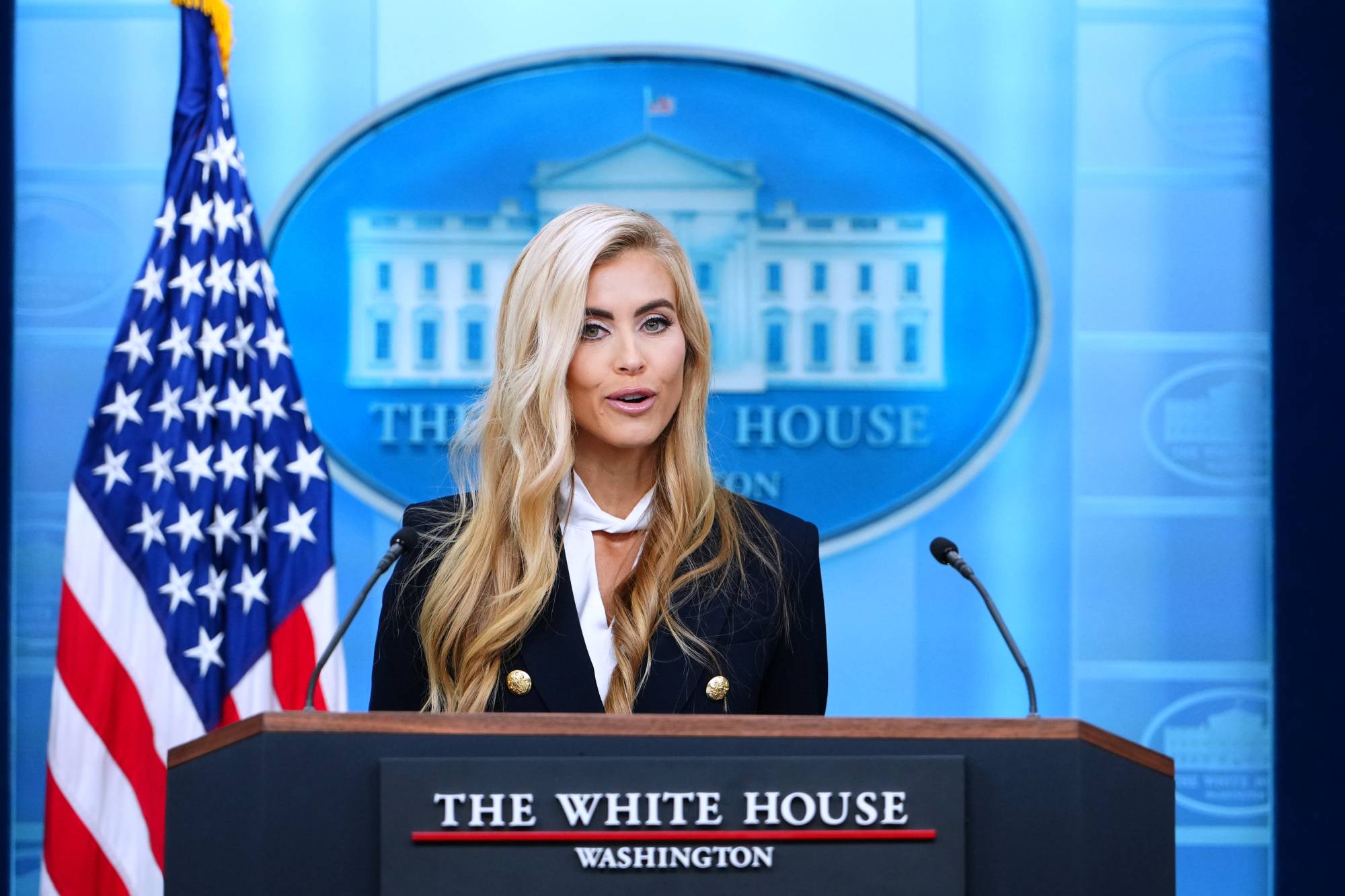
سجلت كاتي زكريا الرقم القياسي كأقصر المتحدثين الرسميين بقاءً في تاريخ البيت الأبيض بعد خمسة أيام فقط من توليها المنصب في أكتوبر (تشرين الأول) 2026.
وجاء سقوطها المدوي إثر مواجهتها لإحاطة صحافية أولى استمرت 14 دقيقة فقط، تخللتها زلات لسان غريبة أثارت سخرية منصات التواصل الاجتماعي.
ولم تقف الأمور عند حد الارتباك المهني، بل جاء المنعطف الحاسم الذي عجل برحيلها، والذي كان افتضاح أمر مؤهلاتها القانونية، حيث قدّمها الرئيس دونالد ترمب كمحامية محترفة، ليتبين لاحقاً للصحافة الاستقصائية أنها رسبت في اختبار نقابة المحامين ولم تحصل قط على الترخيص، ما دفع ترمب لحثها علناً على الاستقالة قائلاً لها أمام الكاميرات إن عليها إعادة النظر في موقعها.
وبذلك غادرت المعلقة السياسية المحافظة والمستشارة الإعلامية السابقة منصبها قبل أن تبدأ عملياً في ممارسته.
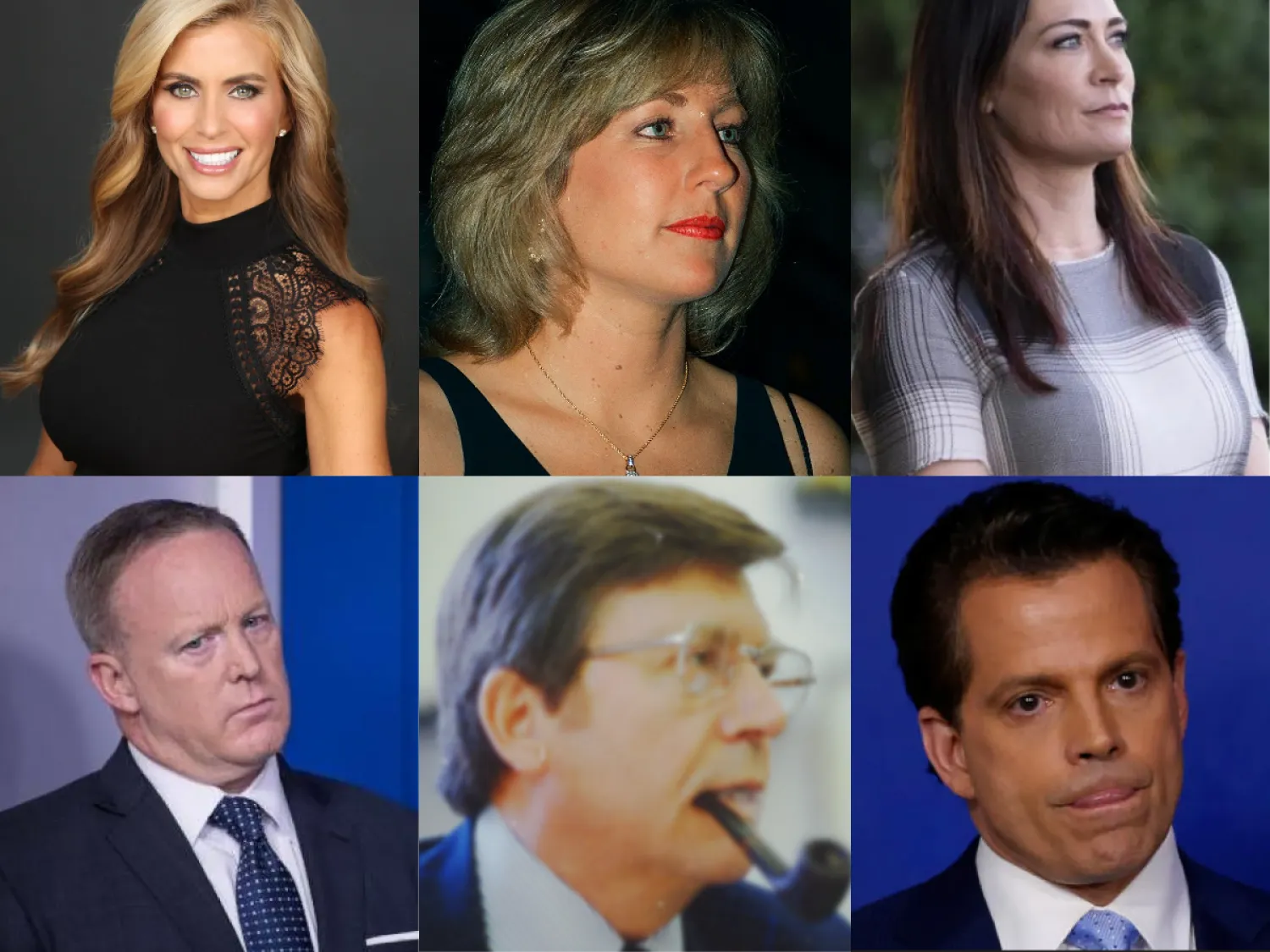
المتحدثة السابقة باسم البيت الأبيض كاتي زكريا (أ.ب)
شون سبايسر... حارس بوابة «الحقائق البديلة» الذي دهسته التجاذبات
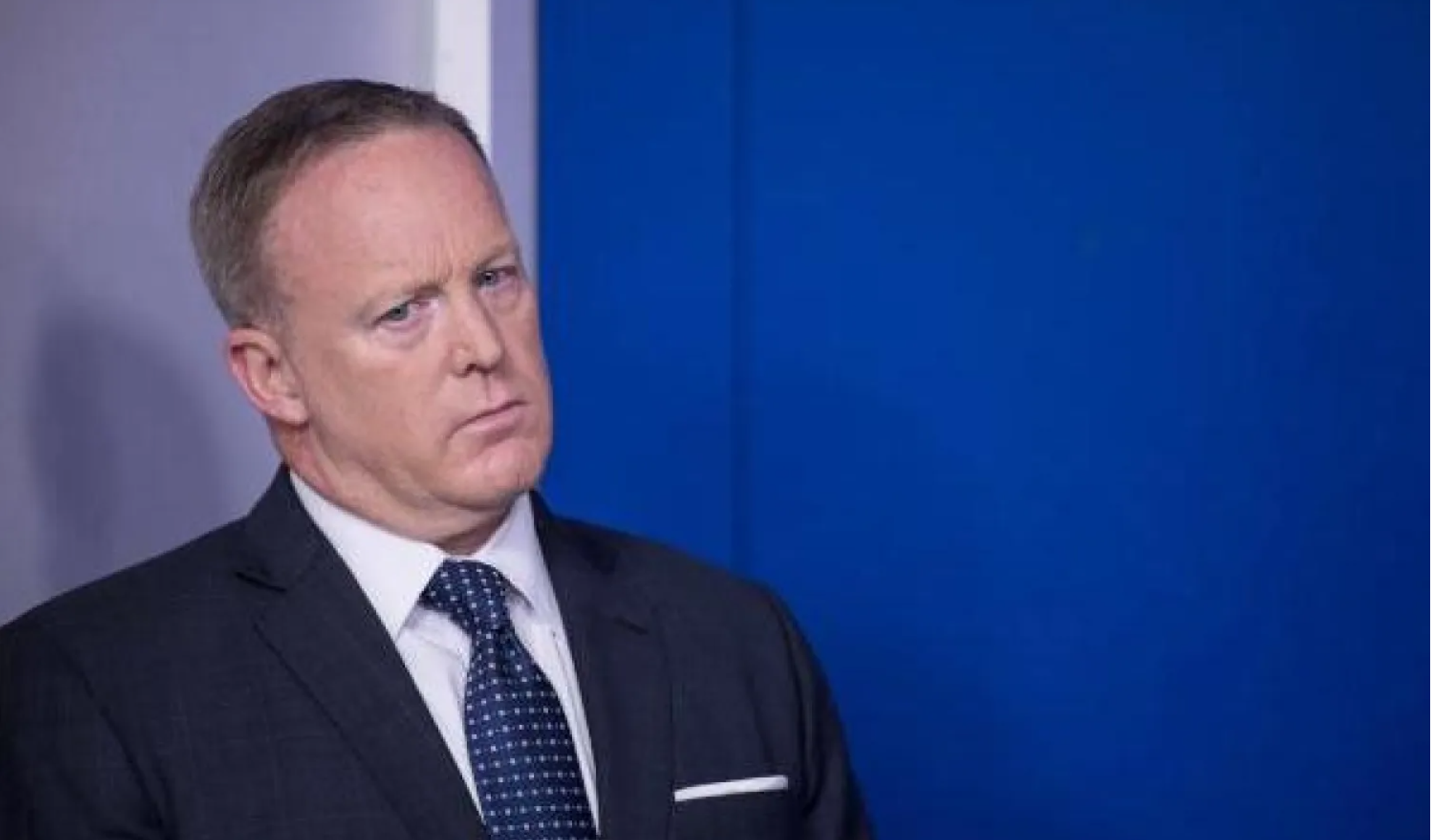
وفي سياق متصل، حفر شون سبايسر اسمه في ذاكرة الإقالات الخاطفة خلال عهد ترمب الأول عام 2017، حيث أمضى 182 يوماً فقط في منصبه. سبايسر، الذي كان يشغل سابقاً منصب الخبير الاستراتيجي الإعلامي للجنة الوطنية للحزب الجمهوري، دخل في مواجهة طاحنة مع الجسم الصحافي منذ اليوم الأول لتكليفه، عندما أُجبر على تضخيم أرقام الحضور في حفل تنصيب ترمب بما يخالف الصور الجوية الواقعية.
وتآكلت الرصانة المهنية لسبايسر يومياً تحت وطأة ضغوط الإدارة ورغبتها في الهجوم الشرس على وسائل الإعلام، لتأتي نهايته السريعة بالاستقالة احتجاجاً على تعيين ترمب للمستثمر النيويوركي أنتوني سكاراموتشي مديراً للاتصالات.
المتحدث باسم البيت الأبيض السابق شون سبايسر (أ.ف.ب)
مفارقة سكاراموتشي... «الخروج الكبير» في أحد عشر يوماً
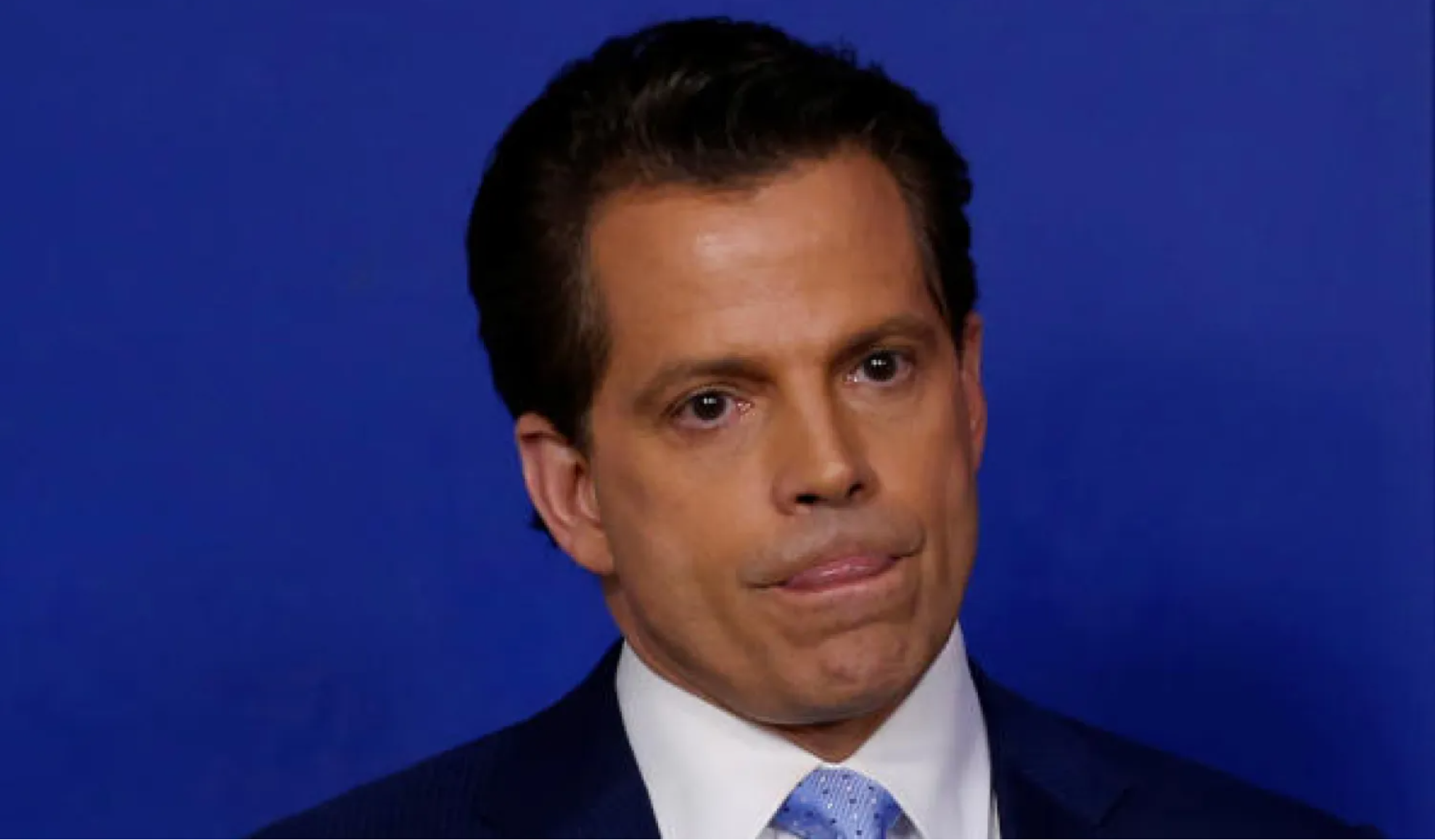
وعلى الرغم من أن أنتوني سكاراموتشي لم يشغل تقنياً منصب السكرتير الصحافي بل مدير اتصالات البيت الأبيض، فإن تجربته تظل الأيقونة التاريخية للإقالات الخاطفة في الجناح الغربي بعد أن أمضى 11 يوماً فقط في منصبه في يوليو (تموز) 2017.
وفقد الممول القادم من قطاع وول ستريت وظيفته إثر إجرائه مقابلة صحافية هاتفية مليئة بالألفاظ النابية والشتائم الموجهة لزملائه في الإدارة مثل رينس بريبوس وستيف بانون.
وجاء قرار إبعاده السريع بضغط مباشر من رئيس الموظفين آنذاك، جون كيلي، لفرض الانضباط العسكري داخل الفريق، ما جعل اسم سكاراموتشي يتحول في واشنطن إلى وحدة قياس زمنية تهكمية للمقارنة مع أي مسؤول يقال سريعاً.
مدير اتصالات البيت الأبيض السابق أنتوني سكاراموتشي (رويترز)
وعلّق سكاراموتشي عبر حسابه الرسمي على منصة «إكس» متفاعلاً مع كسر رقمه القياسي السابق، حيث كتب معقباً على تغريدة للإعلامي جو سكاربورو: «الأرقام القياسية وُجدت لتُحطم.. لكنني لا أجد أي متعة في آلام الآخرين».
وجاء هذا التعليق ليعكس المفارقة التاريخية الساخرة التي أصبحت تربط بين اسمه واسم زكاريا كأقصر المسؤولين بقاءً في مناصبهم الإعلامية داخل البيت الأبيض.
Records are made to be broken. But I take no pleasure in other people's pain. https://t.co/kDIRWj9Rta
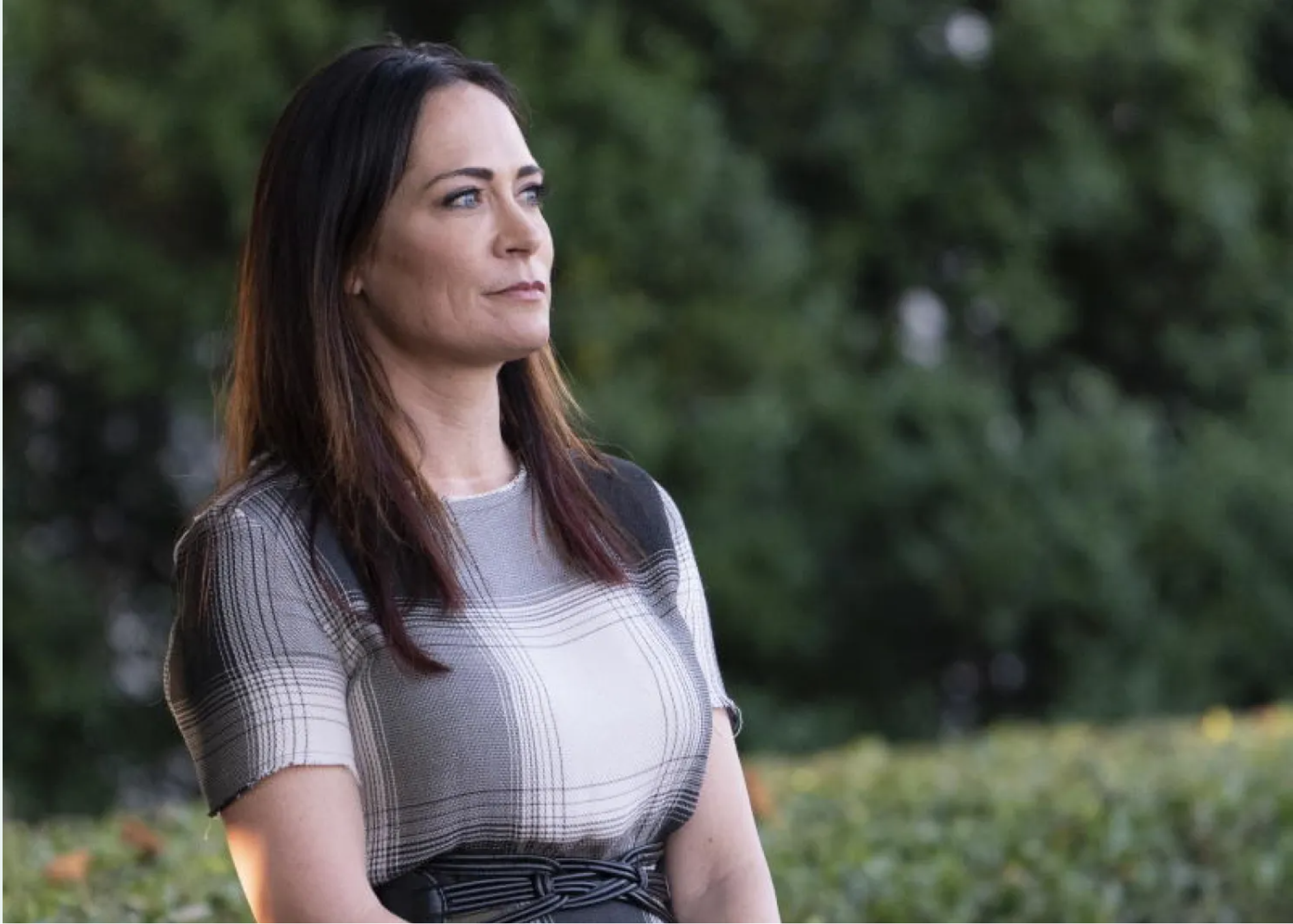
ومن باب مغاير تماماً، دخلت ستيفاني غريشام التاريخ السياسي الأميركي بصفتها المتحدثة الوحيدة باسم البيت الأبيض التي أمضت كامل فترة خدمتها السريعة، البالغة تسعة أشهر بين عامي 2019 و2020، دون أن تعقد إحاطة صحافية رسمية واحدة في قاعة الصحافة «جيمس برادي».
غريشام، التي امتلكت خلفية كمؤلفة ومسؤولة إعلامية ومساعد إداري مقرب من ميلانيا ترمب، اقتصر دورها على التصريحات المكتوبة والمقابلات التلفزيونية الصديقة للحزب.
وتمثلت أسباب إبعادها السريع في رغبة الإدارة في تغيير الاستراتيجية الاتصالية بالكامل مع بدء أزمة جائحة كورونا (كوفيد - 19) والتحضير للانتخابات، حيث استُبدلت بها كيلي ماكناني، لتتحول غريشام لاحقاً إلى واحدة من أشرس منتقدي ترمب.
ستيفاني غريشام المتحدثة السابقة باسم البيت الأبيض (إ.ب.أ)
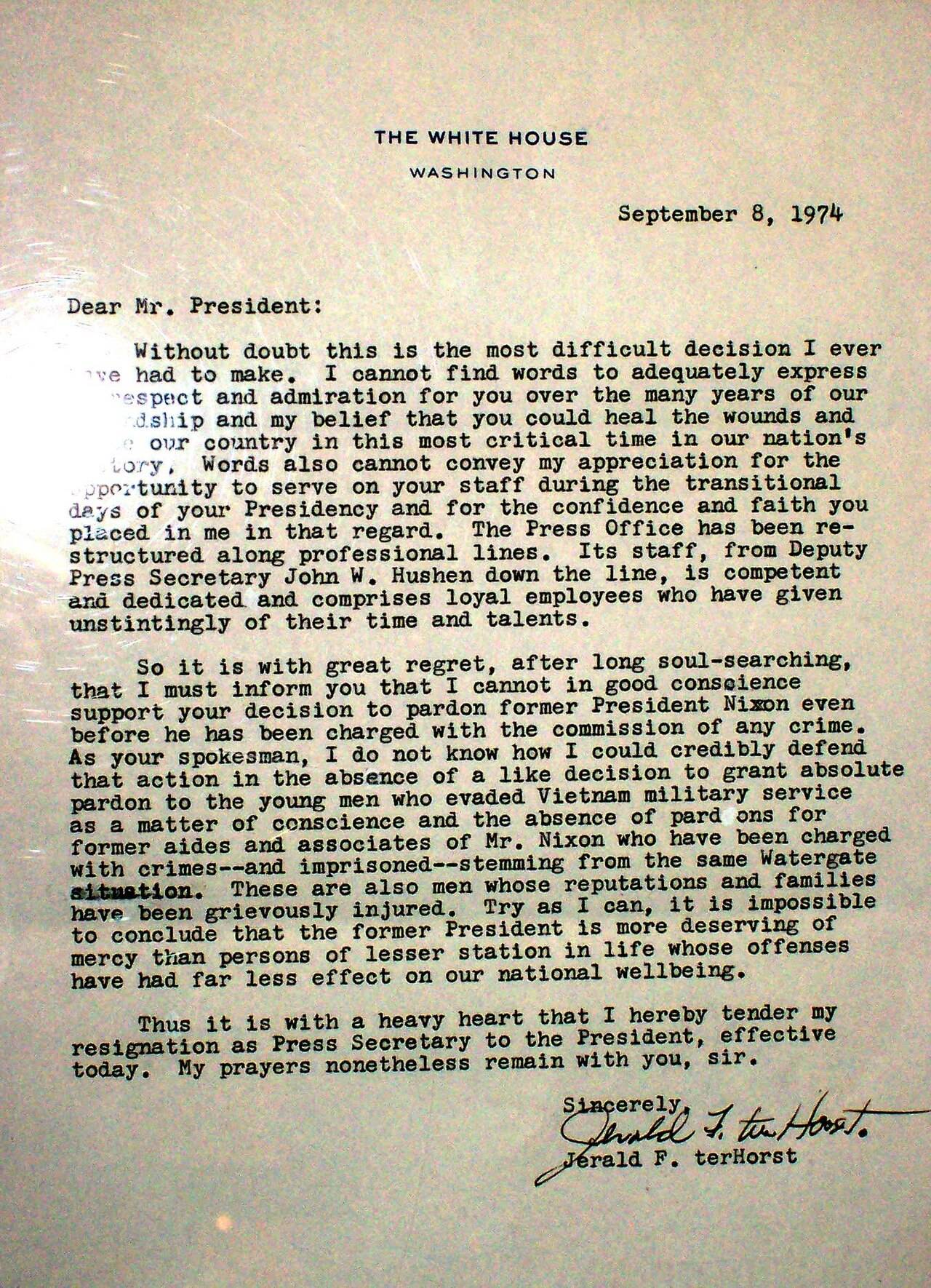
ولم تكن الإقالات والاستقالات السريعة حكراً على عهد ترمب، بل عرفت الإدارات الأميركية السابقة هزات مماثلة، وتبرز في هذا السياق تجربة الصحافي المخضرم جيرالد تيرهورس الذي عينه صديقه القديم الرئيس جيرالد فورد كأول متحدث رسمي باسم البيت الأبيض (السكرتير الصحافي الـ14) فور توليه الرئاسة عام 1974.
جيرالد تيرهورس المتحدث الرسمي باسم البيت الأبيض (السكرتير الصحافي الـ14) عام 1974 (ويكيبيديا)
تيرهورس، الذي أمضى عقوداً في عالم الصحافة مديراً لمكتب صحيفة «ديترويت نيوز» في واشنطن، وكان يبلغ من العمر آنذاك 52 عاماً عند تكليفه بالمنصب، لم يصمد في موقعه سوى شهر واحد فقط (30 يوماً) وجاء خروجه الخاطف في خطوة وُصفت تاريخياً بـ«موقف ضمير أخلاقي نادر»، بعد أن قدّم استقالته احتجاجاً على قرار فورد المفاجئ بمنح عفو رئاسي كامل وغير مشروط عن الرئيس السابق ريتشارد نيكسون في فضيحة «ووترغيت»، ليحل محله سريعاً مراسل شبكة «إن بي سي» رون نيسن.
رسالة استقالة جيرالد تيرهورس المتحدث الرسمي باسم البيت الأبيض (السكرتير الصحافي الـ14) عام 1974 (ويكيبيديا)
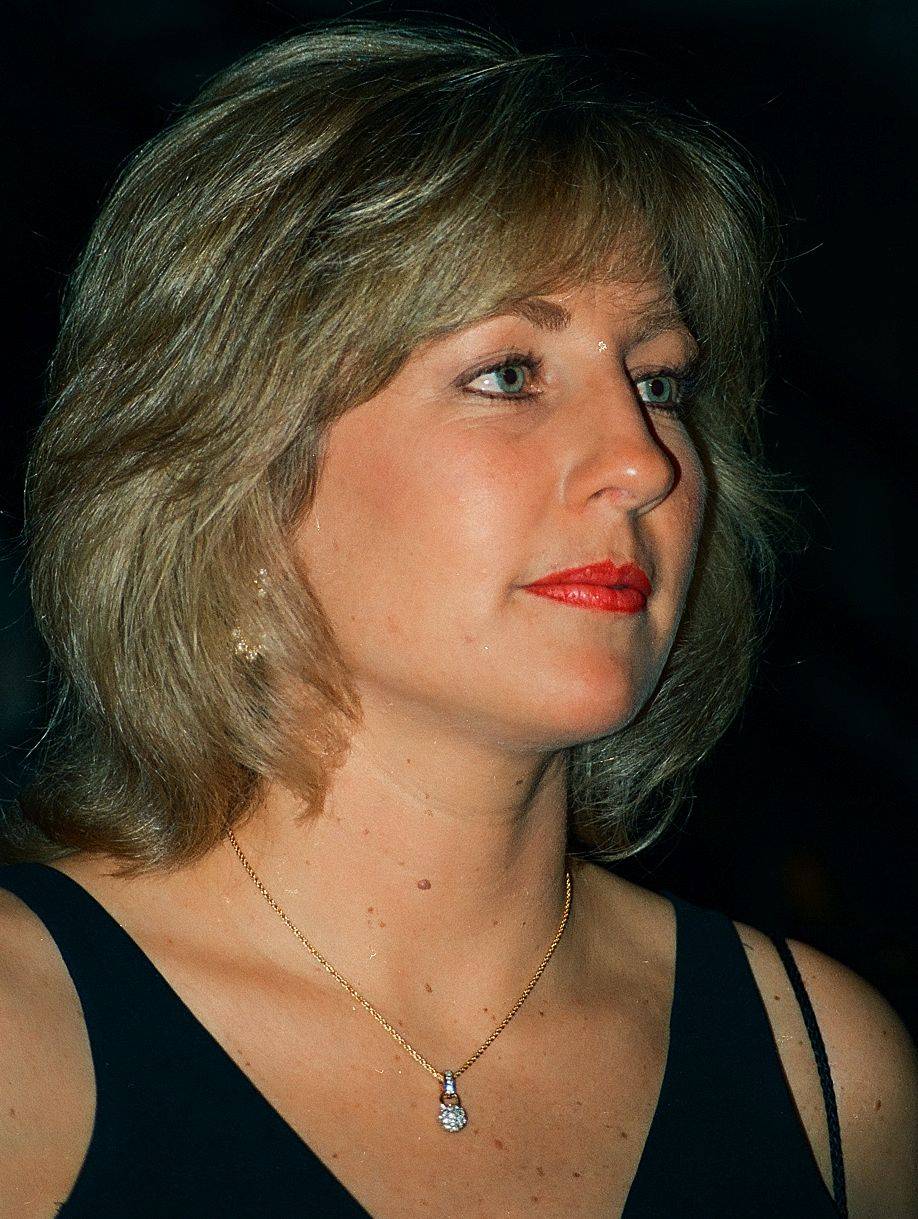
وفي عهد الديمقراطيين، واجهت دي دي مييرز، المتحدثة باسم البيت الأبيض في عهد بيل كلينتون عام 1993، تهميشاً وإقالة ضمنية مبكرة خلال السنة الثانية من حكم كلينتون، حيث سُحبت منها الصلاحيات تدريجياً بسبب ما وصفه البيت الأبيض بسوء تنسيق الرسالة السياسية للإدارة، وحُرمت لفترة من دخول بعض الاجتماعات الاستراتيجية الحساسة قبل استبدال مايك مكوري كلياً بها.
دي دي مييرز المتحدثة باسم البيت الأبيض السابقة (ويكيبيديا)
وتوضح هذه النماذج التاريخية المتعاقبة طبيعة العمل الحساسة المرتبطة بمنصب المتحدث باسم البيت الأبيض، إذ يظل استمرار المسؤول في موقعه رهناً بدقة الأداء الإعلامي ومدى التوافق الاستراتيجي مع رئيس الإدارة.
وبيّنت التجارب السابقة أن أي تراجع في هذا التنسيق، أو غياب الانسجام في الرؤى السياسية، كفيل بإنهاء المسيرة المهنية للمتحدث رسميّاً في غضون فترة وجيزة، بصرف النظر عن خبراته المهنية السابقة أو درجة ولائه السياسي للرئيس.
«إن بي إيه»: الرابطة تطالب بحظر بعض فئات المراهنات
رابطة «إن بي إيه» تطالب بحظر بعض فئات المراهنات (أ.ب)
طالبت رابطة الدوري الأميركي لكرة السلة (إن بي إيه) شركاءها من مكاتب المراهنات الرياضية في مذكرة، الجمعة، بحظر فئات معينة من الرهانات والربح هذا الموسم في أعقاب فضائح الرهانات الأخيرة، وفق ما أفاد تقرير إعلامي.
ويشمل هذا الحظر إحصائيات اللاعبين، وكذلك الرهانات على تحقيق اللاعبين لأداء أقل من الحد المتوقع، وذلك بسبب ارتباط لاعبين سابقين بقضايا مراهنات، بينهم تيري روزيير وجونتاي بورتر الذي تم إيقافه مدى الحياة في عام 2024، وفقاً لما ذكرت قناة «إي إس بي إن».
ووجّهت الرابطة شركاءها المعتمدين في مجال المراهنات، بما في ذلك «فاندويل» و«درافتكينغز»، بعدم تقديم رهانات على فئات معينة، مثل الفائز في المباراة الافتتاحية، أو اللاعبين الذين يهدرون رميات معينة، وآخرين من المتوقع أن يخوضوا أقل من 12 دقيقة خلال المباراة.
وقال سكوت كوفمان - روس، نائب الرئيس التنفيذي للرابطة لـ«إي إس بي إن»: «هناك توازن بين التأكد من أننا نزيل فئات الرهانات المثيرة للمشكلات، ولكن أيضاً ضمان أننا لا ننقل النشاط إلى السوق غير القانونية».
وأضاف: «نعتقد أن ما وصلنا إليه الآن هو التوازن الصحيح بين هذين الهدفين».
وستمنع مكاتب المراهنات الرياضية من تقديم رهانات تدرّ أرباحاً أعلى على توقعات تراجع أداء اللاعبين أو تحقيقهم أرقاماً أقل من المتوقع.
وتسمح اتفاقيات الرابطة مع مكاتب المراهنات الرياضية، للدوري بتقييد الرهانات التي يقدمونها.
وقال المدعون الفيدراليون إن أحد المراهنين راهن بمبلغ 80 ألف دولار على 6 فئات إحصائية لبورتر في مباراة تورونتو رابتورز، خلال حملة موسم 2023 - 2024، مع فوز محتمل قدره 1.1 مليون دولار.
لعب بورتر 3 دقائق فقط، قبل أن يقرّ لاحقاً أنه تعمد الظهور بهذه الصورة الرديئة لصالح المراهنين.
ويزعم المدعون أن روزيير كان متورطاً في موقف مماثل أثناء دفاعه عن ألوان مع شارلوت هورنتس في عام 2023، على الرغم من أنه دفع بأنه غير مذنب، ونفى ارتكاب أي مخالفات.
وفي مذكرة أخرى للأندية، أشارت الرابطة الوطنية لكرة السلة إلى إجراءات النزاهة الجديدة التي ستبدأ هذا الموسم، حيث قاد نجم اتحاد كرة القدم الأميركي «إن إف إل» السابق ووكيل مكتب التحقيقات الفيدرالي المتقاعد تشارلز تيلمان التدريب على قوانين المراهنة الرياضية وتعزيز الذكاء الاصطناعي بحثاً عن أنماط مراهنة غير عادية تتعلق بالدوري.
وقالت المذكرة إن الرابطة تسعى إلى توفير حماية أفضل للاعبين والمدربين وغيرهم من الموظفين من التهديدات أو المضايقات من المراهنين.