ABD İran tankerlerini vurdu, Devrim Muhafızları Kuveyt ve Bahreyn limanlarını tehdit etti

ABD İran tankerlerini vurdu, Devrim Muhafızları Kuveyt ve Bahreyn limanlarını tehdit etti
TT

ABD İran tankerlerini vurdu, Devrim Muhafızları Kuveyt ve Bahreyn limanlarını tehdit etti

ABD İran tankerlerini vurdu, Devrim Muhafızları Kuveyt ve Bahreyn limanlarını tehdit etti

İran'a ait iki petrol tankeri, Harg Adası yakınlarında ve Umman Körfezi kıyısındaki Cask Limanı açıklarında ABD saldırılarının hedefi oldu. Tahran ise bölgedeki “ABD varlıklarını” hedef alarak karşılık verme tehdidinde bulundu.

Devrim Muhafızları'na bağlı Tesnim Haber Ajansı, yerel kaynaklara dayandırdığı haberinde küçük bir tankerin Hark Adası'na yaklaşık 4 mil mesafede ABD tarafından vurulduğunu bildirdi. Tankerin mürettebatının tahliye edildiği ve olayda herhangi bir yaralanma yaşanmadığı belirtildi.

İran devlet televizyonu muhabiri ise ikinci bir tankerin Hürmüz Boğazı'nın doğusundaki Cask Limanı'nda, Yekbini kıyısı yakınlarında saldırıya uğradığını aktardı. Tankerdeki mürettebatın cankurtaran botlarıyla gemiyi terk ederek kıyıya yöneldiği bildirildi.

Öte yandan Devrim Muhafızları Donanması, tehditlerinin dozunu artırarak Kuveyt ve Bahreyn'deki liman ve demirleme bölgelerinde bulunan gemilerin mürettebatını gemilerde kalmamaları konusunda uyardı.

Donanma tarafından yapılan açıklamada, ABD'lilere “ev sahipliği yapan” limanlarda bulunan gemilerin İran tankerlerine yönelik saldırılara misilleme olarak hedef alınabileceği belirtildi. Açıklamada, mürettebata gemileri ister demirleme sahalarında ister rıhtımlarda bulunsun terk etmeleri çağrısı yapıldı.


Russia Torments Kyiv with New ‘Horror' Jet Drones

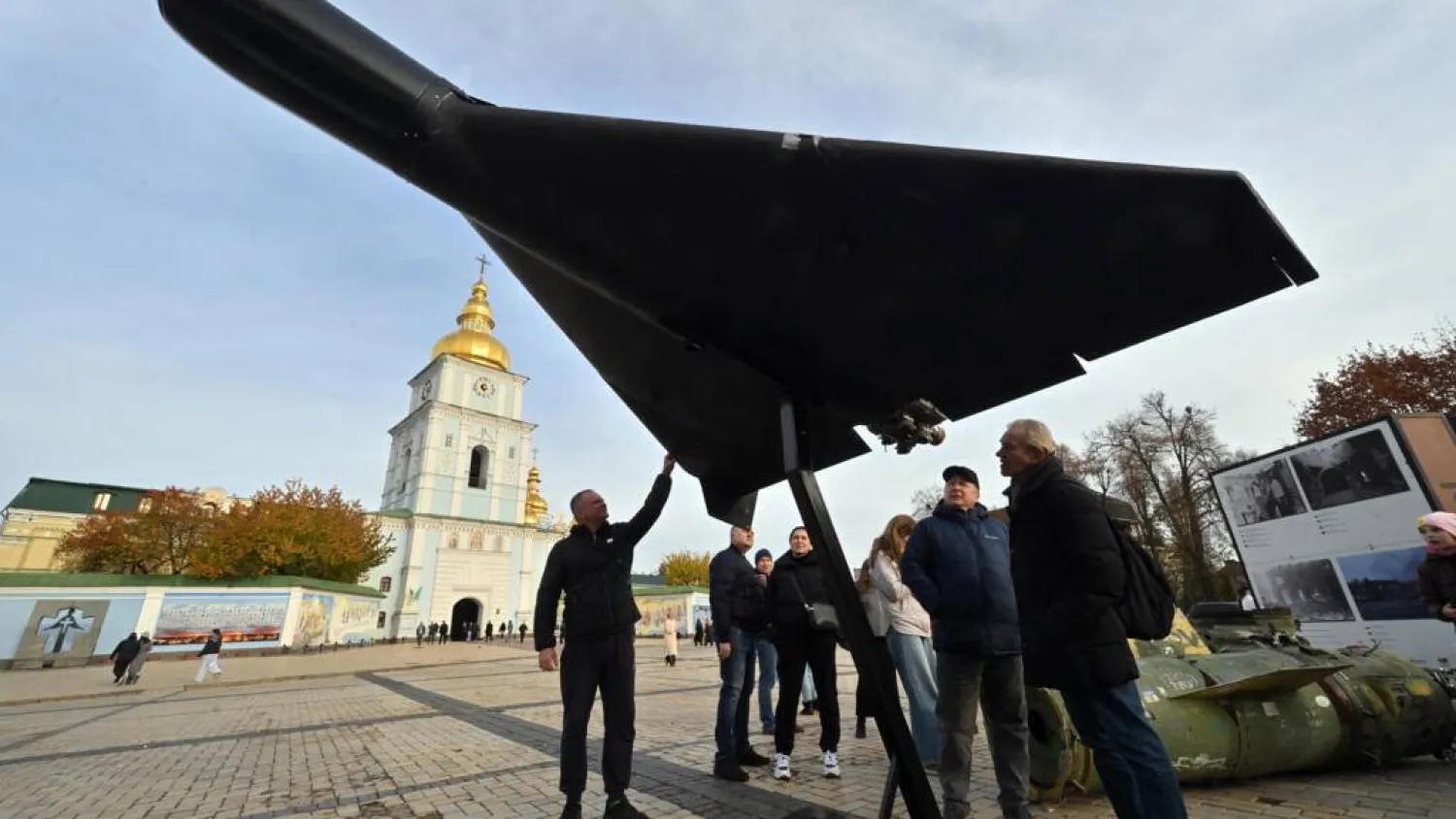
Ukraine developed its anti-drone defenses hastily after Russia's 2022 invasion. Sergei SUPINSKY / AFP/File
TT

Russia Torments Kyiv with New ‘Horror' Jet Drones

Ukraine developed its anti-drone defenses hastily after Russia's 2022 invasion. Sergei SUPINSKY / AFP/File

Flying several kilometers in the air and close to the speed of a commercial plane, Moscow's new long-range jet-powered drones are causing havoc for Kyiv's stretched air defenses.

Moscow has been launching waves of the attack drones at the Ukrainian capital in recent weeks, paralyzing the city with near constant air alerts.

President Volodymyr Zelensky on Sunday slammed the "horror that's been happening in the sky these past few days" as a new tactic by Russian leader Vladimir Putin, and vowed a response.

The new drones pose a challenge to Ukraine's relatively effective and low-cost anti-drone defense shield, built hastily after Russia's 2022 invasion.

Ukraine has quickly become a world leader in drone defense and has struck deals with several Western and Middle Eastern countries to share technology.

But its vaunted network of drone interceptors -- which had been shooting down the vast majority of more conventional drones, built with internal combustion engines and propellers -- has had a harder task against the new jet-powered devices.

Experts say they are fitted with Chinese-made aircraft-style mini jet engines, and can fly five kilometers in the air at a speed of 400-600 kilometers (250-370 miles) per hour -- up to three times the rate of the previous versions, which were based on Iran's Shahed drones.

The latest model can carry up to 90 kilograms of explosives, nearly double the payload of earlier versions, and is much bulkier -- six meters long with a 5.5-meter wingspan.

That altitude and speed puts them out of range for Ukraine's current fleet of interceptors and "wipe out the progress we had made in the fight", Ukrainian military expert Sergiy Zgurets told AFP.

In terms of air defense, analysts say the new drones more closely resemble a cruise missile than a conventional drone.

It is estimated that Russia fired 2,800 of the jet-powered drones in August, up from 1,500 in July and just a few hundred in June.

A Ukrainian air force spokesman said around 60 percent of them are destroyed, compared to more than 90 percent of the slower-moving lower-flying drones.

- City at standstill -

The new attacks come with Kyiv already strained by a sharp increase in Russian ballistic missile strikes, which have killed dozens since the start of the summer.

On Friday, a jet-powered drone struck the headquarters of Ukraine's security services in the historic center of Kyiv, a highly symbolic hit carried out in broad daylight.

Ukraine accused Russia of using the strike to disrupt the weekend visit of US envoys Steve Witkoff and Jared Kushner to both Moscow and Kyiv to try to revive stalled peace talks.

The wave of attacks has brought Kyiv to a near-standstill at times, with up to a dozen air alerts ringing out every day.

During alerts, many businesses and institutions close and the metro service is restricted, causing gridlock on the roads and people to gather outside on the street.

Many schools, which returned from summer break last week, have announced a switch to remote learning.

The situation has disrupted social and economic life to such an extent that the authorities announced a rare relaxation of security protocols to allow the city of some three million people to keep functioning.

- Six-month wait -

Kyiv officials have been criticized for failing to anticipate the threat.

Analysts say Russia started producing jet-powered drones 18 months ago, and can now churn out some 3,000 a month.

Moscow "has a window of opportunity with these jet drones", said Ukrainian blogger Nikolaevsky Vaniok, who is close to the country's air defense community and followed by more than 2.6 million on Telegram.

Faced with the threat, Zelensky convened his military cabinet last week to speed up the production of faster interceptor drones.

Prototypes exist and work is under way "to bring this new weapon up to the required level of efficiency", he said.

One major Ukrainian arms company that makes interceptors for conventional drones told AFP they were "actively working on a solution".

Zgurets, the head of the Defense Express analysis center, said Ukraine needed a more complex response than just better interceptors.

A fuller response would combine aviation, surface-to-air systems, electronic warfare and more strikes against launch and production sites inside Russia, he said.

"The Russians have gained an edge in this technological cycle," he said, warning it could take "up to six months" for Ukraine to develop effective countermeasures.



النحاس يحوم دون المستوى القياسي مع ازدياد المخزونات في الولايات المتحدة

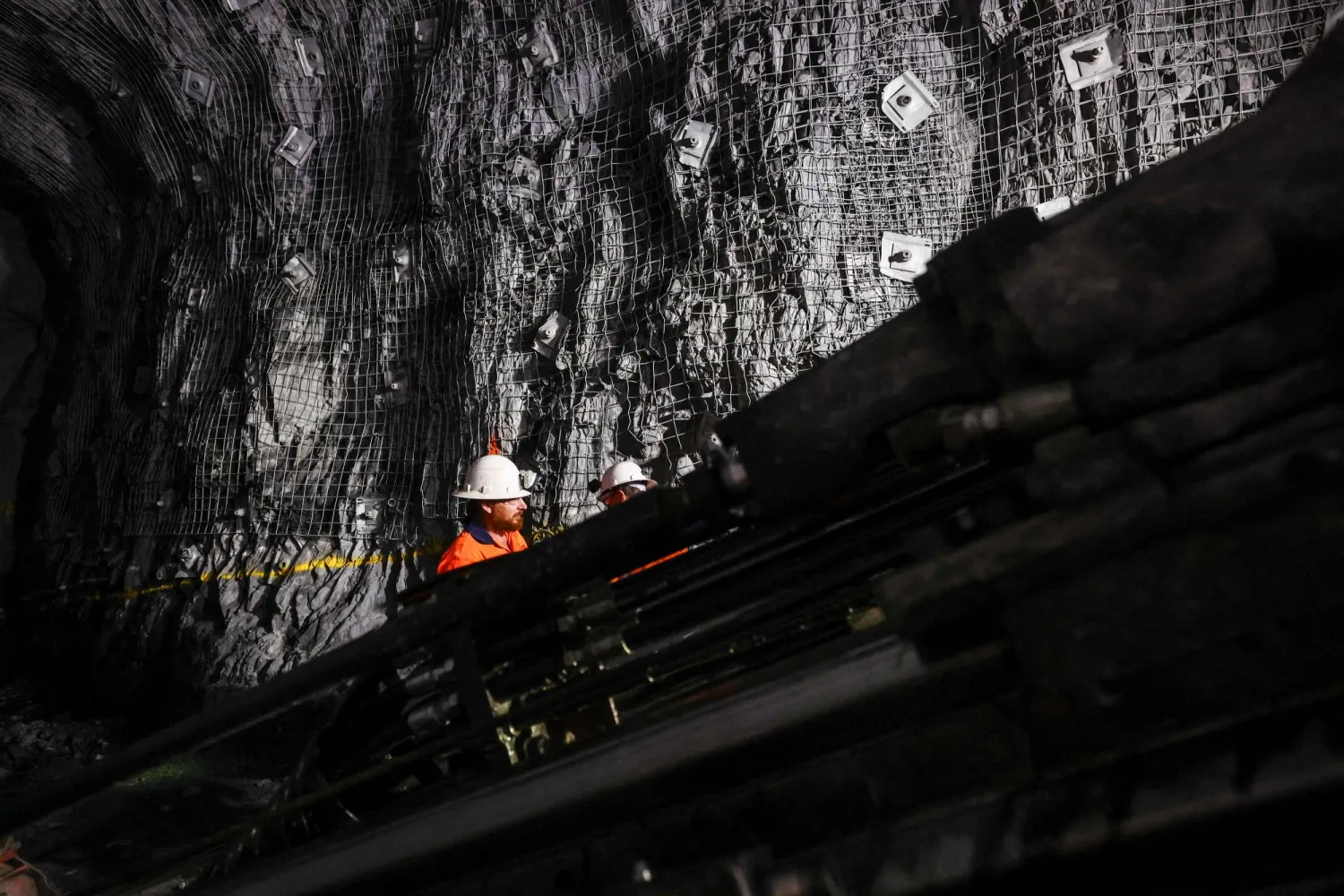
عامل يتفقد أعمال الحفر والتطوير داخل منجم «سي إس إيه كوبار» للنحاس في أستراليا (أ.ف.ب)
TT

النحاس يحوم دون المستوى القياسي مع ازدياد المخزونات في الولايات المتحدة

عامل يتفقد أعمال الحفر والتطوير داخل منجم «سي إس إيه كوبار» للنحاس في أستراليا (أ.ف.ب)

انخفض سعر النحاس، يوم الأربعاء، دون أعلى مستوى قياسي له، مع استمرار تراكم المخزونات في الولايات المتحدة، تحسباً لفرض تعريفة جمركية محتملة على واردات النحاس المكرر، ما قد يؤدي إلى شح الإمدادات بالأسواق الأخرى.

وتراجع سعر النحاس القياسي لأجَل ثلاثة أشهر في بورصة لندن للمعادن بنسبة 0.55 في المائة إلى 14628 دولاراً للطن المتري، بحلول الساعة 02:45 بتوقيت غرينتش، بعدما سجل أعلى مستوى له على الإطلاق عند 14779 دولاراً للطن، يوم الثلاثاء، وفق «رويترز».

وفي بورصة شنغهاي للعقود الآجلة، ارتفع عقد النحاس الأكثر تداولاً بنسبة 0.44 في المائة إلى 110740 يواناً (16.509.38 دولار) للطن.

وواصلت مخزونات النحاس في بورصة «كومكس» ارتفاعها، لتصل إلى 797.275 طن قصير، أو ما يعادل 723.275 طن متري، حتى يوم الثلاثاء.

ويتوقع بعض المحللين، الآن، أن تصل أسعار النحاس إلى مستوى 15000 دولار للطن، للمرة الأولى، هذا الأسبوع.

وقالت شركة «آي إن جي»، في مذكرة، يوم الأربعاء: «يبدو أن الارتفاع مدفوع، بشكل متزايد، بالسياسات»، مضيفةً أن الأسعار قد تشهد تصحيحاً حاداً إذا جرى تأجيل فرض الرسوم الجمركية أو استبعادها، في ظل استمرار ضعف الطلب.

ويوم الثلاثاء، قدّرت ناتالي سكوت-غراي، كبيرة محللي المعادن بشركة الوساطة «ستون إكس»، أن أكثر من 1.2 مليون طن متري من النحاس دخلت الولايات المتحدة منذ أن بدأت واشنطن تحقيقها، بموجب المادة 232، بشأن النحاس، في فبراير (شباط) من العام الماضي، ما أدى إلى انخفاض المخزونات المتاحة خارج الولايات المتحدة إلى «مستويات تاريخية منخفضة».

كما ازدادت مراكز المستثمرين في النحاس. وقالت سكوت-غراي إن مراكز الشراء في بورصة «كومكس» اقتربت من أعلى مستوياتها في نحو خمس سنوات.

وارتفع سعر النحاس في بورصة «كومكس» بنسبة 2.11 في المائة، يوم الثلاثاء، مواصلاً اتجاهه الصعودي منذ يوليو (تموز) الماضي.

وفي الصين، أكبر مستهلك للنحاس في العالم، تسارع تضخم أسعار المنتجين في أغسطس (آب) الماضي، مدفوعاً بارتفاع تكاليف الطاقة، في حين ظل الطلب المحلي الأساسي ضعيفاً.

وارتفعت أسعار المنتجين بنسبة 3.8 في المائة على أساس سنوي، مقارنة مع 3.5 في المائة خلال يوليو، بينما تسارع التضخم الاستهلاكي إلى 0.8 في المائة، من 0.5 في المائة.

وبالنسبة للمعادن الأخرى في بورصة لندن للمعادن، انخفض سعر الألمنيوم بنسبة 0.25 في المائة، والزنك 0.56 في المائة، والرصاص 0.16 في المائة، والنيكل 1.08 في المائة، والقصدير 0.11 في المائة.

وفي بورصة شنغهاي للعقود الآجلة، ارتفع سعر الألمنيوم بنسبة 0.49 في المائة، والزنك 0.04 في المائة، والرصاص 0.50 في المائة، بينما انخفض النيكل بنسبة 0.23 في المائة، والقصدير 0.3 في المائة.


Chinese Inflation Picks up in August but Still Below Target

A man rides a bicycle in the rain in Beijing, Tuesday, Sept. 8, 2026. (AP)
TT

Chinese Inflation Picks up in August but Still Below Target

A man rides a bicycle in the rain in Beijing, Tuesday, Sept. 8, 2026. (AP)

China's consumer and producer prices picked up slightly last month but remained below target, official data showed on Wednesday, as the world's second-largest economy grapples with weak domestic demand.

The consumer price index -- a key measure of inflation -- came in at 0.8 percent in August, according to the National Bureau of Statistics (NBS), which was up from 0.5 percent in July and in line with a forecast in a Bloomberg survey of economists.

Beijing has battled a persistent slump in domestic spending since the end of the Covid-19 pandemic.

The CPI has remained below the current target of two percent for more than three years, slipping into negative territory several times during that period.

The weak activity has presented challenges to leaders aiming to maintain growth momentum, even as exports and various high-tech sectors perform strongly.

Prices paid at the factory gate also picked up in August, the NBS figures showed, expanding 3.8 percent year-on-year.

That was faster than July's 3.5 percent and topped the 3.6 percent forecast in the Bloomberg survey.

The readings come day after data showed China's imports and exports surging last month.

Overseas shipments have been boosted this year by heightened global demand for technology products amid the artificial intelligence boom.

Beijing is targeting economic growth of 4.5-5.0 percent this year, a pace that would outstrip most developed economies but rank among the lowest in decades for China.

The economy expanded just 4.3 percent in the second quarter, missing forecasts and representing the weakest pace in more than three years.