Washington Hürmüz’den geçiş için zaman aralıkları açıkladı... İran gemisi hedef alındıhttps://turkish.aawsat.com/5317673-washington-h%C3%BCrm%C3%BCz%E2%80%99den-ge%C3%A7i%C5%9F-i%C3%A7in-zaman-aral%C4%B1klar%C4%B1-a%C3%A7%C4%B1klad%C4%B1-i%CC%87ran-gemisi-hedef-al%C4%B1nd%C4%B1
Washington Hürmüz’den geçiş için zaman aralıkları açıkladı... İran gemisi hedef alındı
TT
TT
Washington Hürmüz’den geçiş için zaman aralıkları açıkladı... İran gemisi hedef alındı
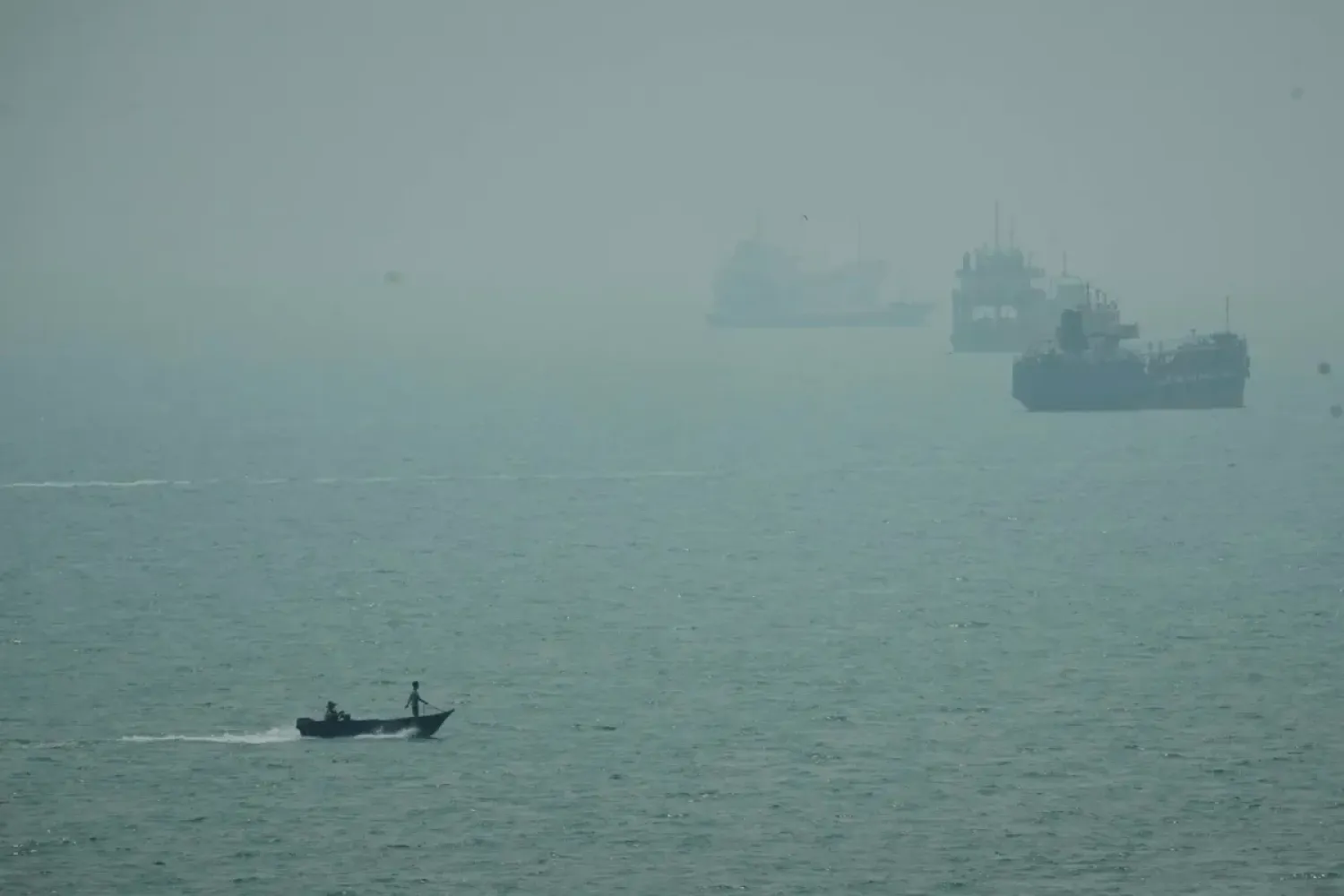
Washington, Hürmüz Boğazı’ndan kendi koruması altında geçişler için yeni zaman aralıkları belirlerken ABD Başkanı Donald Trump, İran’la savaşın “çok yakında” sona ereceğine ilişkin açıklamalarını yineledi.
Öte yandan İran makamları, pazar günü Hürmüz Boğazı’nda bir İran ticaret gemisini hedef alan saldırıda bir kişinin hayatını kaybettiğini bildirdi. Saldırı, İran ile ABD arasında stratejik öneme sahip bu geçiş güzergâhı çevresindeki çatışmaların sürdüğü bir dönemde gerçekleşti.
Diğer taraftan İranlı bir kaynak basına yaptığı açıklamada, “İran ile Umman arasında yoğun teknik ve diplomatik görüşmeler yürütüldü. Bu görüşmeler sonucunda ağustos sonu ile eylül başında nihai bir anlaşmaya varıldı. Tahran ile Maskat arasındaki mutabakatın yakında duyurulması bekleniyor” dedi.
Kaynak, “Bu mutabakat hiçbir şekilde Hürmüz Boğazı’nın açılması anlamına gelmiyor” ifadelerini kullanarak İran’ın arabulucular üzerinden ABD tarafına Hürmüz Boğazı’nın açılması için yedi şart ilettiğini belirtti. Kaynak, bu yedi şart yerine getirilmediği sürece boğazın kapalı kalacağını vurguladı.
Öte yandan ABD Merkez Kuvvetler Komutanlığı (CENTCOM), cumartesi günü yaptığı açıklamada, ABD’nin İran limanlarına yönelik ablukayı yeniden başlatmasından bu yana geçen 60 günde 100 ticari geminin güzergâhını değiştirdiğini bildirdi. CENTCOM, ABD güçlerinin izni olmadan hiçbir geminin boğazdan geçmediğini belirtti.
Ousmane Dione, World Bank Vice President for the Middle East, North Africa, Afghanistan and Pakistan region, speaks to Asharq Al-Awsat. (Turky Al-Agili)
World Bank: $12 Billion Needed Annually to Turn Food Security into an Economic Opportunity
Ousmane Dione, World Bank Vice President for the Middle East, North Africa, Afghanistan and Pakistan region, speaks to Asharq Al-Awsat. (Turky Al-Agili)
Food security in the Middle East, North Africa, Afghanistan, and Pakistan is no longer merely a question of how much food is available on people’s tables. It has become a broad test of the region’s ability to manage scarce resources, diversify trade, attract investment, create jobs, and withstand geopolitical and climate-related shocks.
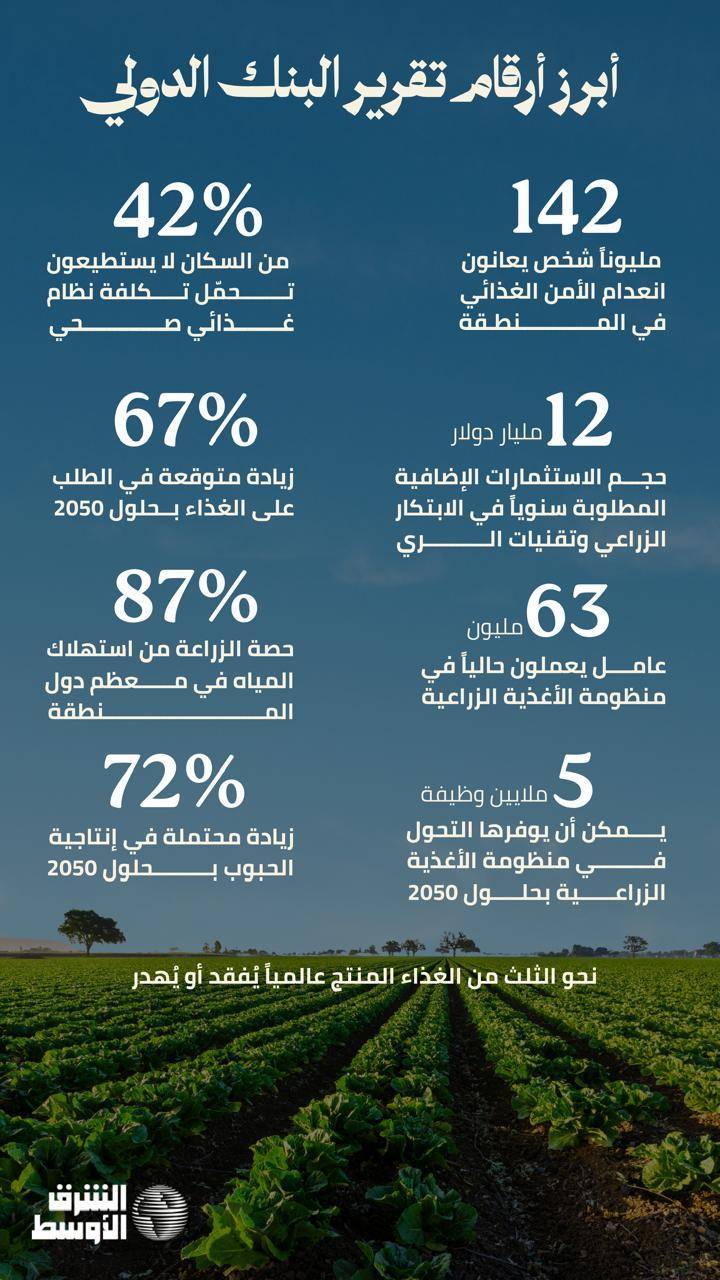
In a region where more than 142 million people face food insecurity and 42 percent of the population cannot afford a healthy diet, the challenge becomes increasingly complex: How can more food be produced in one of the world’s most water-scarce regions without exhausting its natural resources?
With food demand expected to rise by about 67 percent by 2050, the World Bank says meeting this demand will require a fundamental shift in how the region manages its resources, particularly water, as well as increased investment in irrigation efficiency and agricultural innovation. The Bank estimates that the region needs approximately $12 billion annually for more efficient irrigation systems and agricultural innovation.
In an interview with Asharq Al-Awsat, Ousmane Dione, World Bank Vice President for the Middle East, North Africa, Afghanistan and Pakistan region said these challenges could be transformed into major economic opportunities if they are addressed as part of an integrated system encompassing agriculture, water, trade, logistics, manufacturing, technology, and the private sector.
Water at the Heart of the Food Equation
According to Dione, any discussion about the future of food in the region must begin with water. Agriculture consumes approximately 87 percent of the region’s water resources, while many countries already face severe water scarcity, with per capita water availability in some cases falling below 500 cubic meters per year, a threshold that reflects acute water stress.
For this reason, the World Bank does not see the solution as merely finding additional water sources. Instead, it calls for rethinking how water is used.
Dione highlights the need to move toward what is known as “closing the loop,” a concept that treats water as part of an integrated economic cycle. Rather than using water once and discarding it, wastewater is collected, treated, and reused in agriculture, industry, and other appropriate sectors, while efforts are made to reduce losses and improve the efficiency of water and irrigation networks.
In this way, water ceases to be a consumable resource and becomes one that can be recycled and reused multiple times, effectively increasing the amount of water available to the economy without increasing natural supplies.
Dione said the region has made significant progress in desalination, but that alone is not enough. Water must be managed as a strategic economic resource rather than merely an agricultural input.
“Every drop of water” in the region, he said, should be used multiple times in pursuit of a closed-loop approach.
Efficient water use also extends beyond food production to preserving food that has already been produced. Every unit of food that is lost or wasted represents wasted water, energy, land, and other resources used in its production, transport, and storage.
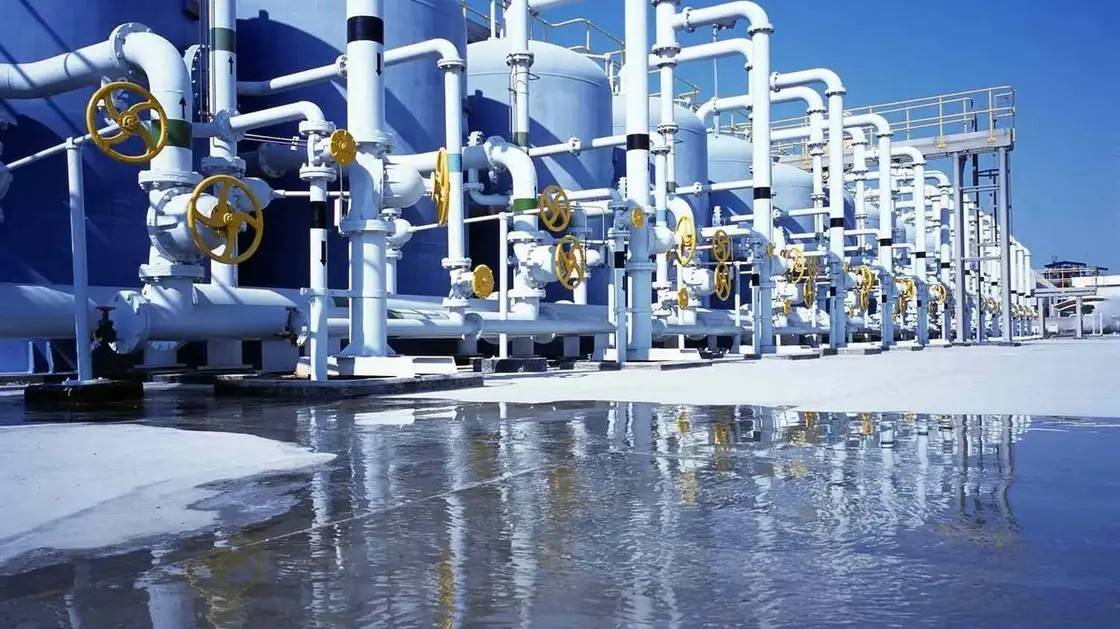
A water desalination plant in Iraq. (X)
Producing More with Less Water
Dione believes technology will play a central role in reshaping the food-water nexus, from adopting drip irrigation and reducing leakage and waste to using artificial intelligence and data analytics for more precise agricultural resource management.
Modern technologies can help determine crop water requirements, measure consumption rates, identify crops best suited to specific climatic and geographic conditions, and optimize production cycles for maximum returns with minimum water use.
The World Bank therefore views technology not merely as a productivity-enhancing tool but as a means of redesigning the region’s agricultural map: What should be grown, where it should be grown, how much water should be allocated, and which technologies should be used.
This issue is particularly important in a region where agricultural production cannot simply be increased by extracting more groundwater, as that would place additional pressure on one of its scarcest resources.
The goal, therefore, is not to maximize production at any cost, but to produce more food from every drop of water and generate greater economic and nutritional value from available resources. “Virtual Water”: Trade as a Tool for Food Security
Dione also introduces an important concept in food security management: Importing food is not necessarily a sign of weak food security.
Imported agricultural products effectively carry with them the water used to produce them in their country of origin, a concept known as “virtual water.”
As a result, it may be more economically and environmentally efficient for a country to import water-intensive crops rather than deplete its own limited water resources producing them domestically.
The challenge arises when dependence on imports becomes excessive and concentrated among a limited number of countries or trade routes.
This is where water security intersects with trade resilience. Countries that rely on imports for part of their food supply must diversify sources and transport routes and ensure their trade systems can withstand external shocks.
The disruptions to global grain trade following the war in Ukraine demonstrated how trade shocks can quickly translate into higher food prices and increased pressure on vulnerable populations.
Consequently, the World Bank argues that the correct approach is not choosing between local production and imports, but creating a more resilient mix: Producing crops that can be grown efficiently in terms of water and resources, importing products that are more water-intensive to grow domestically, diversifying suppliers, and strengthening storage capacity, logistics, and strategic reserves.
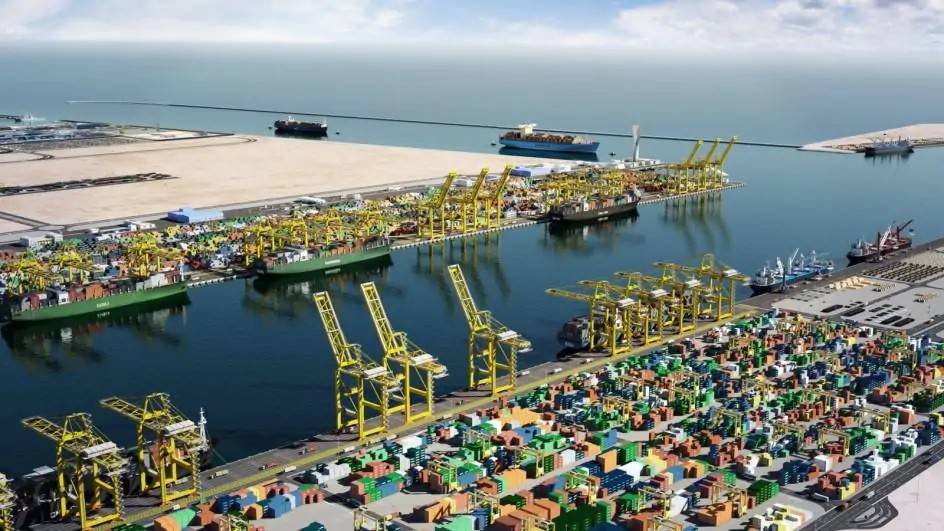
Container terminals at Hamad Port in Qatar. (QNA)
Food Waste: Resources Lost Before Reaching the Table
The region faces another major challenge in the form of food loss and waste.
The World Bank estimates that around one-third of food is lost or wasted at various stages of the supply chain, from production and storage to transportation, processing, distribution, and consumption.
These losses are particularly significant in water-scarce regions because wasted food also means wasted water, energy, and land resources.
Reducing waste, therefore, becomes a form of water conservation. Saving food from being lost means extracting greater value from the resources used to produce it without placing additional pressure on those resources.
Efforts to reduce waste begin long before food reaches consumers. They include improving storage facilities, cold-chain infrastructure, transport systems, silos, packaging, and food processing, all of which also represent potential investment opportunities. Hormuz and the Test of Food Resilience
This issue becomes even more critical given disruptions to regional trade, especially risks related to the Strait of Hormuz.
Dione said disruptions to trade routes threaten not only food availability but also increase food costs, making diversified import sources, transportation routes, and strategic reserves essential components of food security.
Countries therefore need resilient systems capable of withstanding trade disruptions through diversified suppliers, improved ports, warehouses, silos, cold storage facilities, transport networks, and strategic stockpiles that provide time to adapt when supply chains are interrupted. $12 Billion Annually... Where Will the Investments Go?
But building this system requires substantial capital.
Dione notes that the region needs about $12 billion in additional investment every year, a figure that cannot be achieved through government spending alone. He believes that attracting private-sector participation begins with improving the regulatory and legislative environment, then directing investment toward areas that generate the highest added value.
The issue is not limited to agriculture itself, but to what happens after products leave the farm: storage, processing, packaging, transportation, services, and distribution.
According to Dione, building this integrated value chain is what can make agricultural investment more attractive and generate economic spillover effects across other sectors.
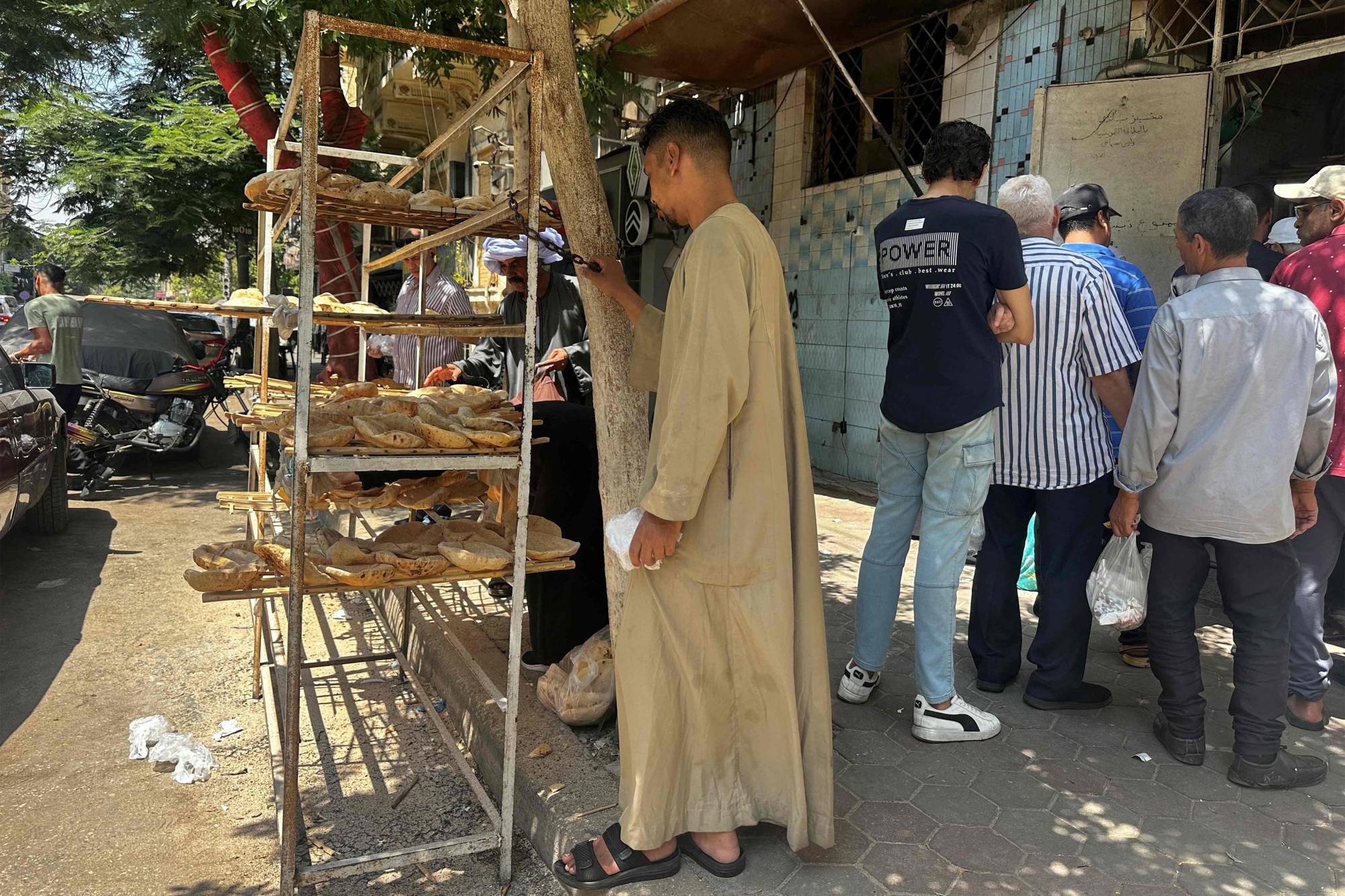
People queue at a bakery in Cairo. (AFP)
From Food to Jobs
The importance of these investments goes beyond food provision and extends to the labor market. The region has a young population, but Dione warns that this “demographic window” will not remain open indefinitely, especially as some countries begin to face population aging.
As a result, developing the food system can create jobs that extend beyond direct agricultural work, including food processing, storage, transport, logistics, services, trade, and technology.
The World Bank estimates that approximately 63 million jobs in the region are currently linked to agrifood systems, with the potential to create an additional 5 million jobs by 2050 through further development of these systems.
Dione argues that agriculture can become a source of income and wealth, rather than merely an activity for producing food, if it is effectively connected to finance, technology, markets, and value chains. Smallholder Farmers... Into Value Chains
Another challenge, Dione says, concerns smallholder farmers. Large farms generally have greater access to financing and technology, while smallholders often struggle with access to finance, markets, storage facilities, mechanization, and infrastructure.
This is where the World Bank’s AgriConnect initiative comes in. The program aims to help hundreds of millions of smallholder farmers worldwide transition from subsistence farming to more organized, productive, and profitable agricultural production.
Dione explains that organizing farmers into cooperatives can strengthen their ability to obtain financing, purchase inputs, adopt technology, and access markets. However, he emphasizes that the success of this process also requires improving the supporting infrastructure around them, particularly storage, cold-chain facilities, transportation, and processing capabilities.
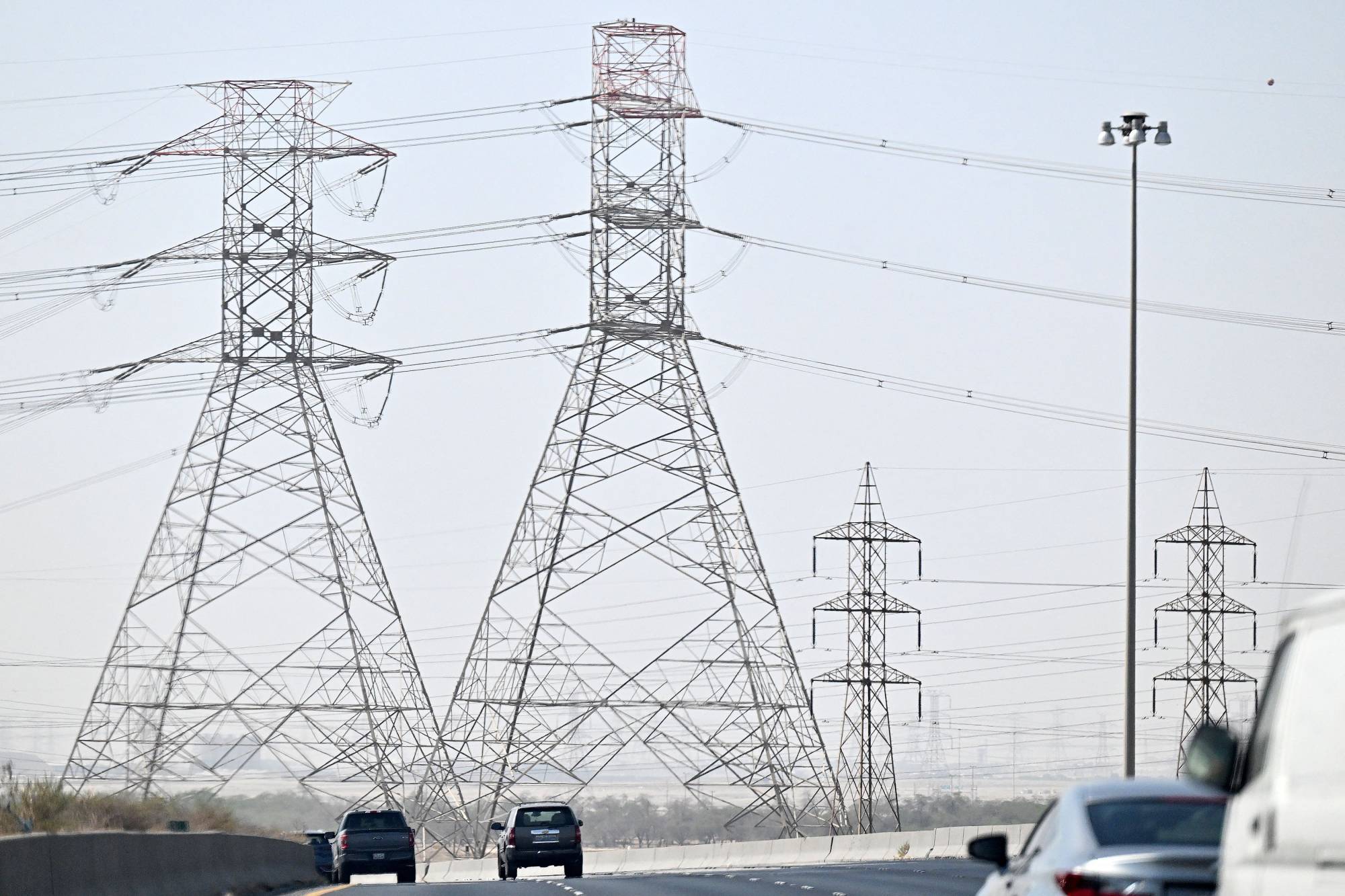
Vehicles travel along a highway on the outskirts of Kuwait City. (AFP)
Morocco and Jordan... Lessons from Experience
Dione points to examples within the region to demonstrate that increasing agricultural production while reducing water consumption is not merely a theoretical goal.
He cites Morocco, where cooperation with the World Bank has helped develop agricultural areas that rely on modern irrigation technologies and stronger market linkages, while improving water-use efficiency.
He also highlights Jordan, one of the most water-scarce countries in the world, where World Bank-supported projects use advanced water-management and drip-irrigation technologies while achieving high levels of productivity.
The lesson, according to Dione, is that water scarcity does not necessarily mean a scarcity of opportunities when sound policies are combined with technology and investment. Saudi Arabia... An Opportunity to Build a Regional Hub
At the center of these transformations, Dione believes Saudi Arabia possesses unique advantages that position it to play a regional role in the food system.
He points to the Kingdom’s strategic location, bordered by the Red Sea to the west and the Gulf to the east, giving it a pivotal position in regional trade and logistics connectivity.
In his view, Saudi Arabia’s role need not be limited to importing food for its domestic market. It could expand into processing, packaging, storage, distribution, and re-export activities.
Dione says the Kingdom has the potential to become a regional hub where food products are processed, manufactured, packaged, and then distributed across regional markets. He sees this role as closely aligned with several pillars of Vision 2030, including investments in artificial intelligence, technology, desalination, energy, infrastructure, and logistics.
He adds that Saudi Arabia’s abundant energy resources could provide a strong foundation for developing manufacturing and processing industries, while its geographic location offers significant opportunities for logistics services linked to food flows.
Dione notes that manufacturing, logistics, and distribution could become major sources of job creation, highlighting Saudi Arabia’s opportunity to strengthen its regional leadership in these sectors.
In this context, enhancing food security does not necessarily require producing every type of food domestically. A more efficient approach may be to combine local production where it is economically and water-efficient with diversified imports, strategic food reserves, food processing, and robust logistics infrastructure.
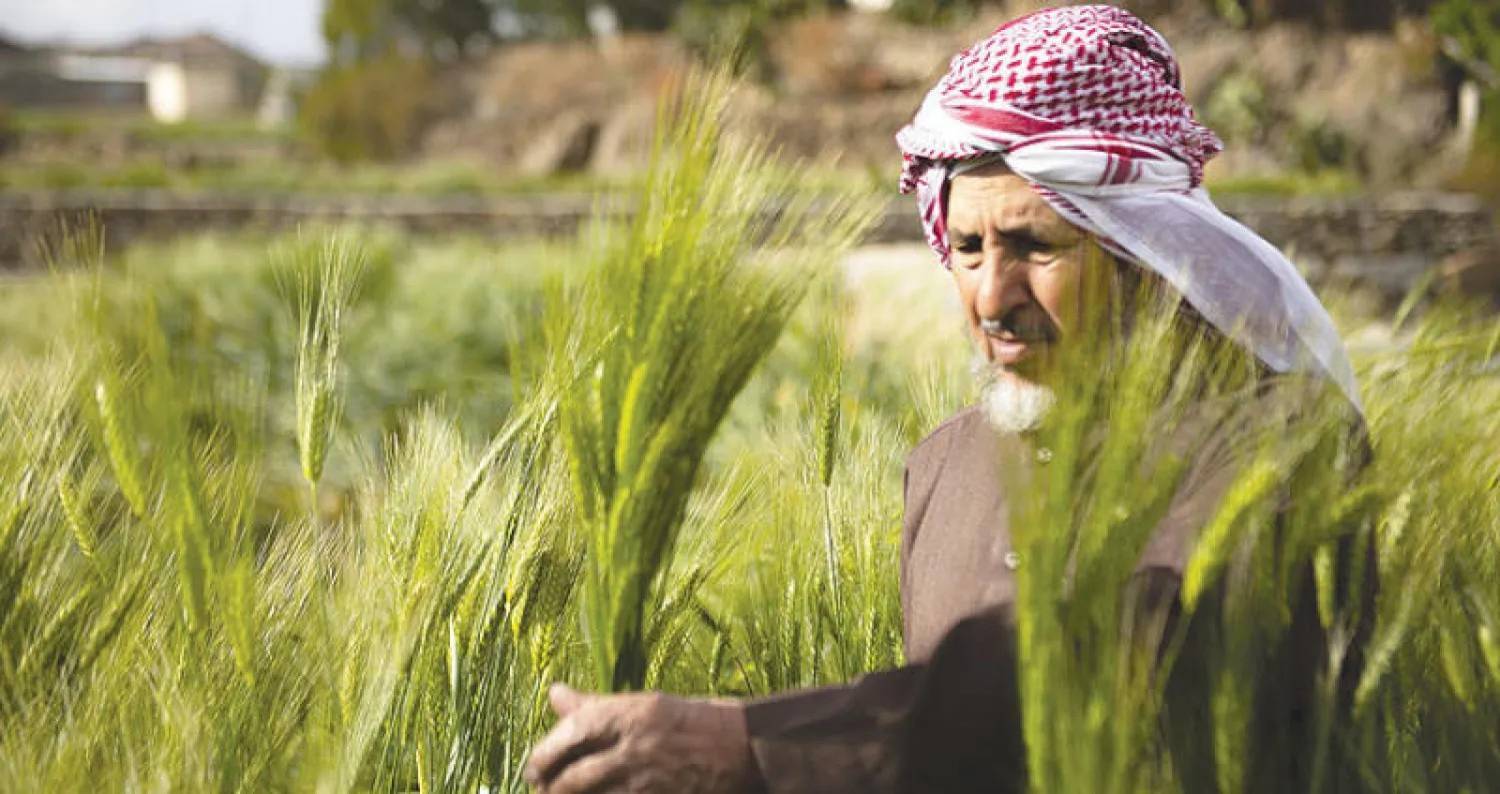
A Saudi farmer harvests wheat on his farm in the southern Asir region. (Asharq Al-Awsat)
Regional Cooperation... Integrating Resources and Markets
Dione believes that some of these challenges cannot be addressed by individual countries acting alone.
Greater regional integration, he argues, would allow for a more efficient allocation of resources: Some countries possess agricultural potential, others have energy resources, advanced infrastructure, ports, logistics capabilities, or large consumer markets.
Improving trade connectivity, strengthening logistics links, making better use of existing infrastructure, and promoting the exchange of knowledge and technology could make the region as a whole more resilient to food and water shocks.
Here, the connection between water, food, and trade again comes to the forefront. A country that lacks sufficient water resources to produce all of its food needs can compensate through trade, provided it diversifies its import sources, maintains flexible transport routes, and holds adequate strategic reserves.
Conversely, countries with abundant water resources, energy supplies, or advanced technologies can focus those assets on higher value-added activities rather than depleting resources to produce goods that can be imported more efficiently.
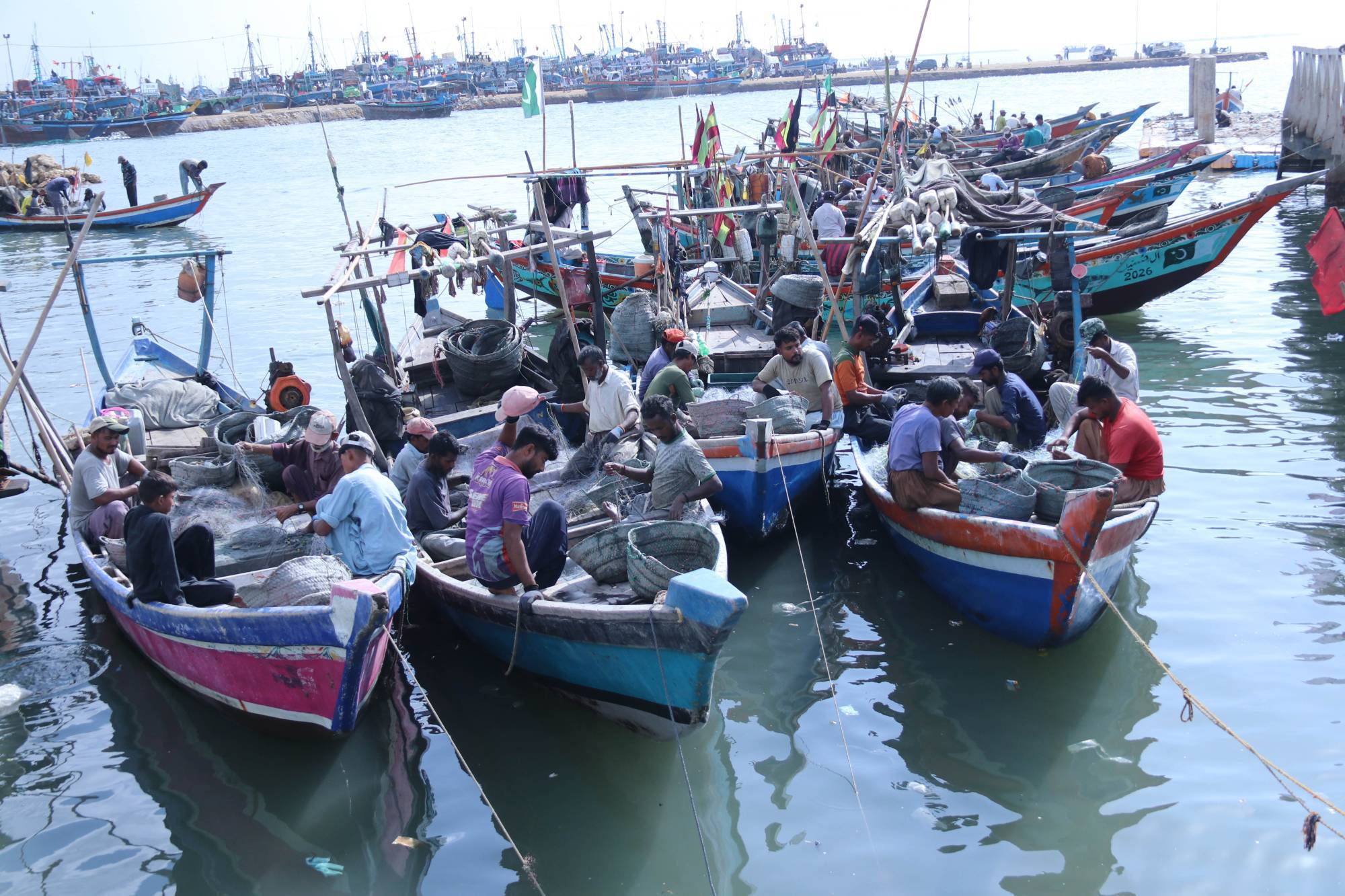
Pakistani fishermen prepare their nets at the Port of Karachi in Pakistan. (EPA)
From Managing Scarcity to Creating Opportunity
Ultimately, Dione argues that the real challenge facing the region is not only how to feed its population by 2050, but how to build a food, water, and trade system capable of functioning in an increasingly uncertain world.
Limited water resources demand greater efficiency; conflicts require more resilient trade networks; population growth increases demand; and a young population creates pressure to generate jobs. At the same time, technological innovation opens the door to more efficient production models.
In this equation, investments in water, agriculture, storage, processing, logistics, and technology become investments in economic resilience itself.
For Saudi Arabia, the opportunity lies not only in securing its own food supplies but also in leveraging its strategic location, energy resources, infrastructure, and technological capabilities to become a central player in the region’s food system.
Through a combination of technology, desalination, water reuse, smart importing strategies, advanced processing industries, and logistics development, the Kingdom can build a model focused not on producing everything domestically, but on securing food efficiently, adding value, and linking regional markets together.
In this framework, food security becomes more than a consumer concern; it evolves into an economic and investment opportunity, while water security becomes an essential prerequisite for sustaining that opportunity.
In other words, the region’s food-security challenge will not be won solely in the fields. It will also be determined in water networks, ports, warehouses, factories, laboratories, and supply chains.
Husiler Suudi Arabistan’ın Cizan şehrini hedef aldı: 2 kişiyi yaralandı, binalar zarar gördühttps://turkish.aawsat.com/k%C3%B6rfez/suudi-arabistan/5317686-husiler-suudi-arabistan%E2%80%99%C4%B1n-cizan-%C5%9Fehrini-hedef-ald%C4%B1-2-ki%C5%9Fiyi
Husiler Suudi Arabistan’ın Cizan şehrini hedef aldı: 2 kişiyi yaralandı, binalar zarar gördü
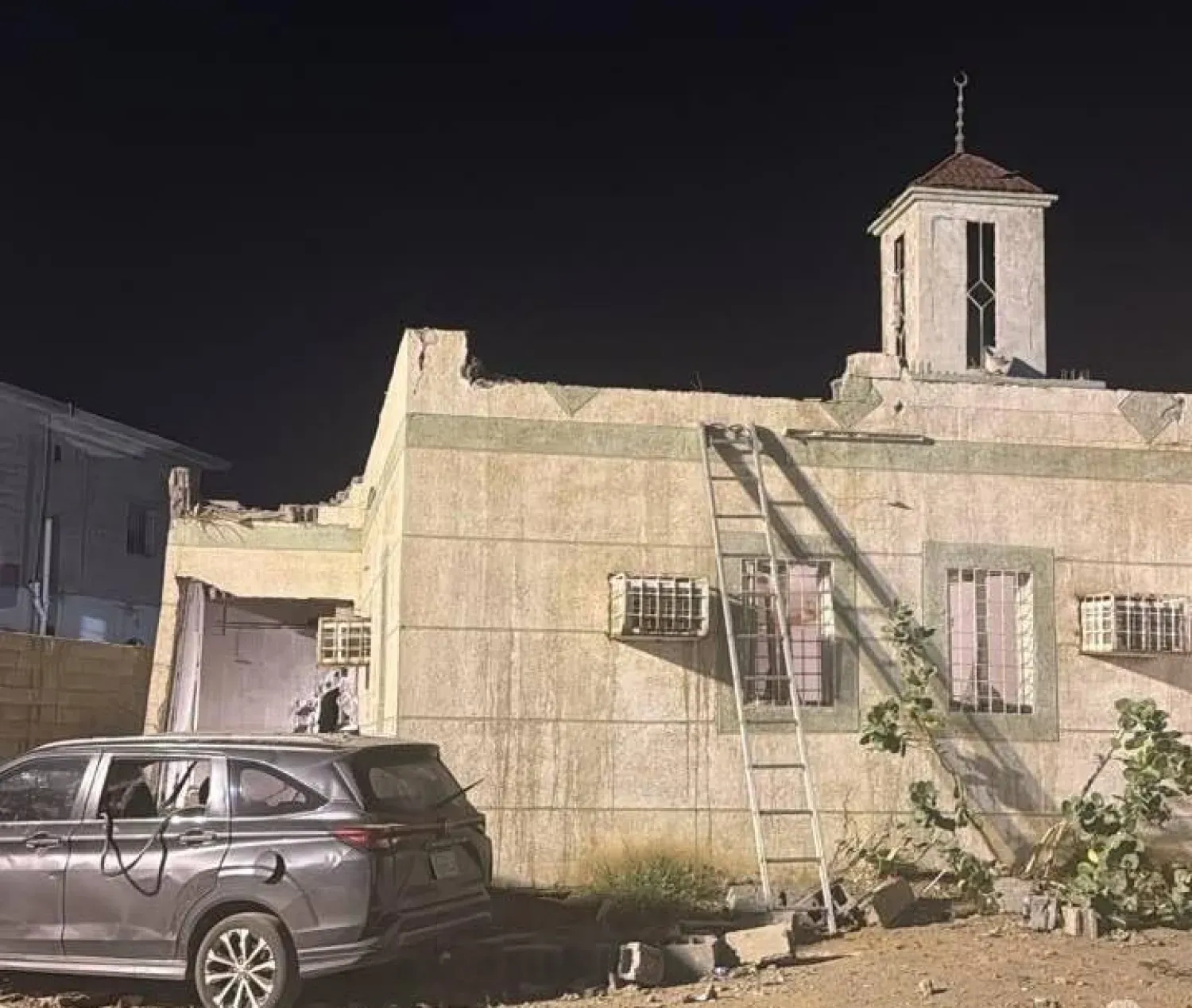
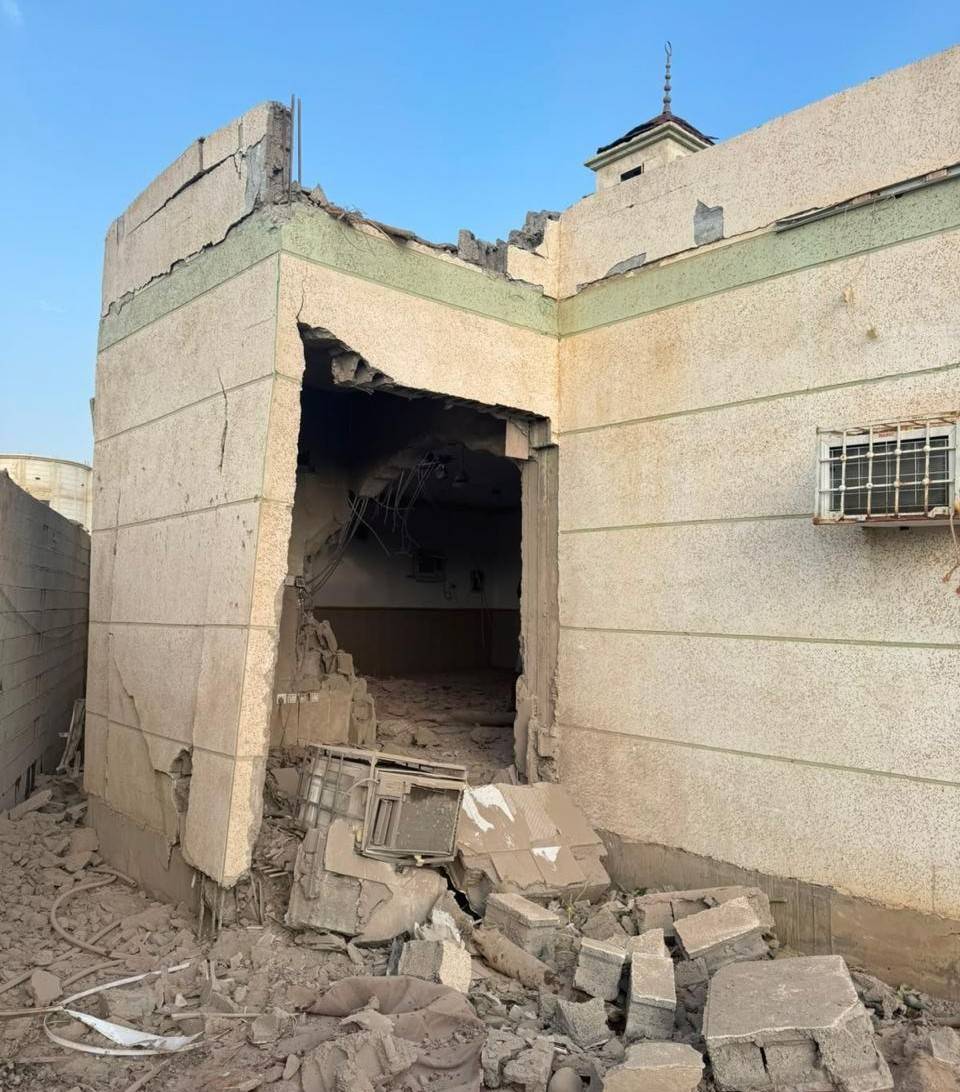
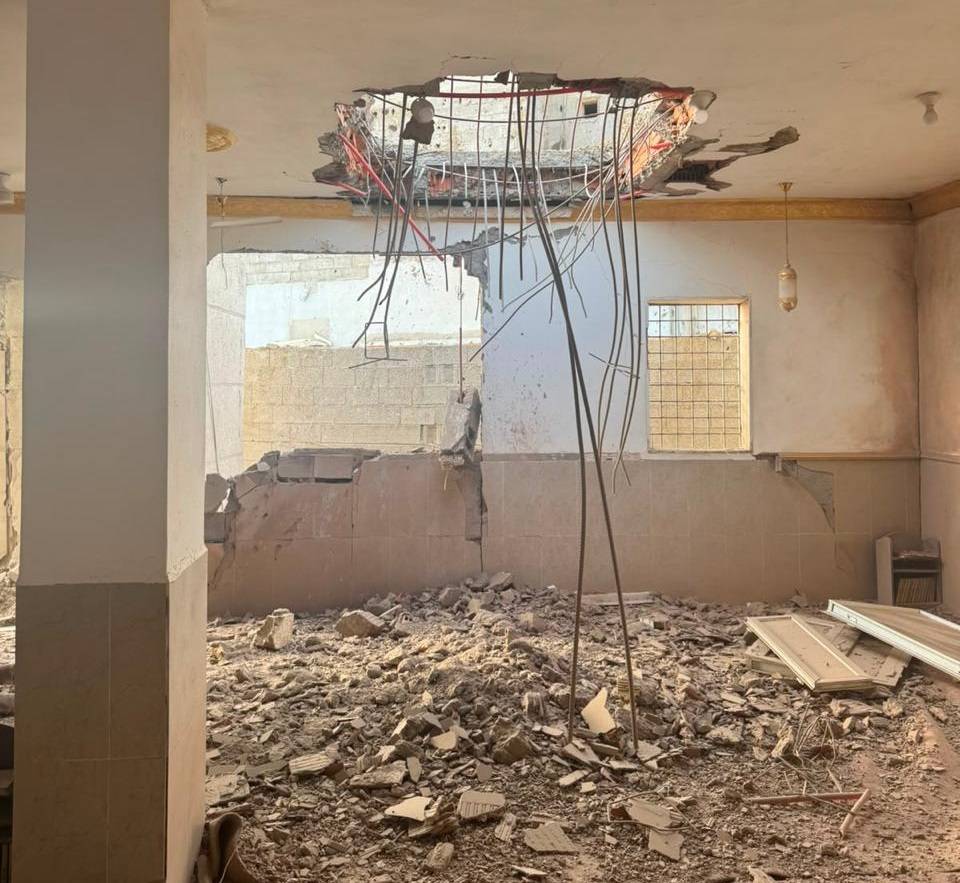
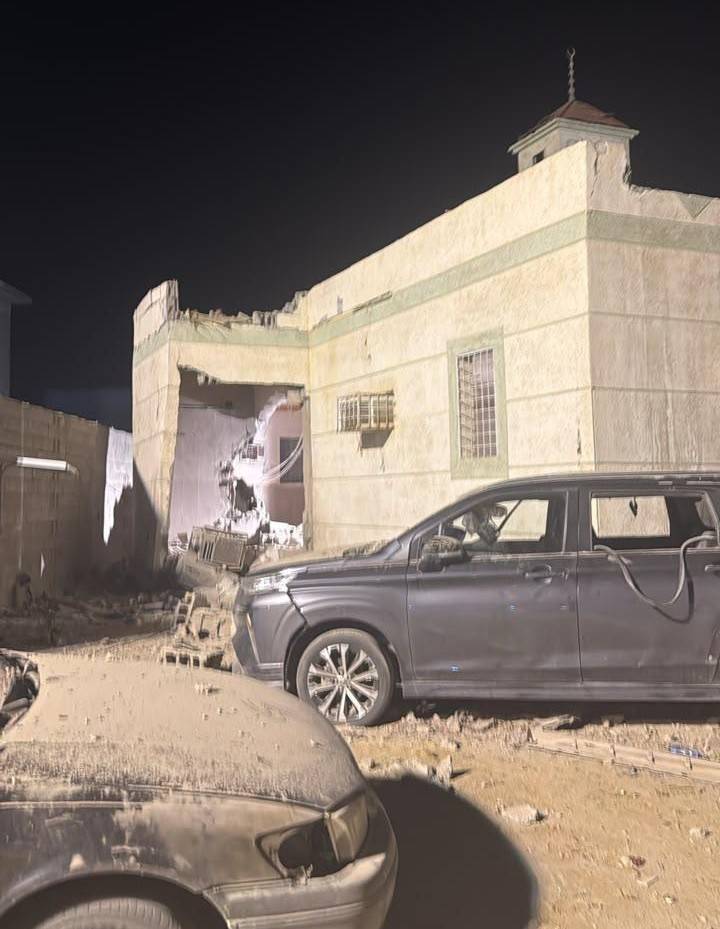
Camilere yönelik saldırı uluslararası hukuka göre savaş suçu ve suç teşkil eden bir eylemdir (Şarku’l Avsat)
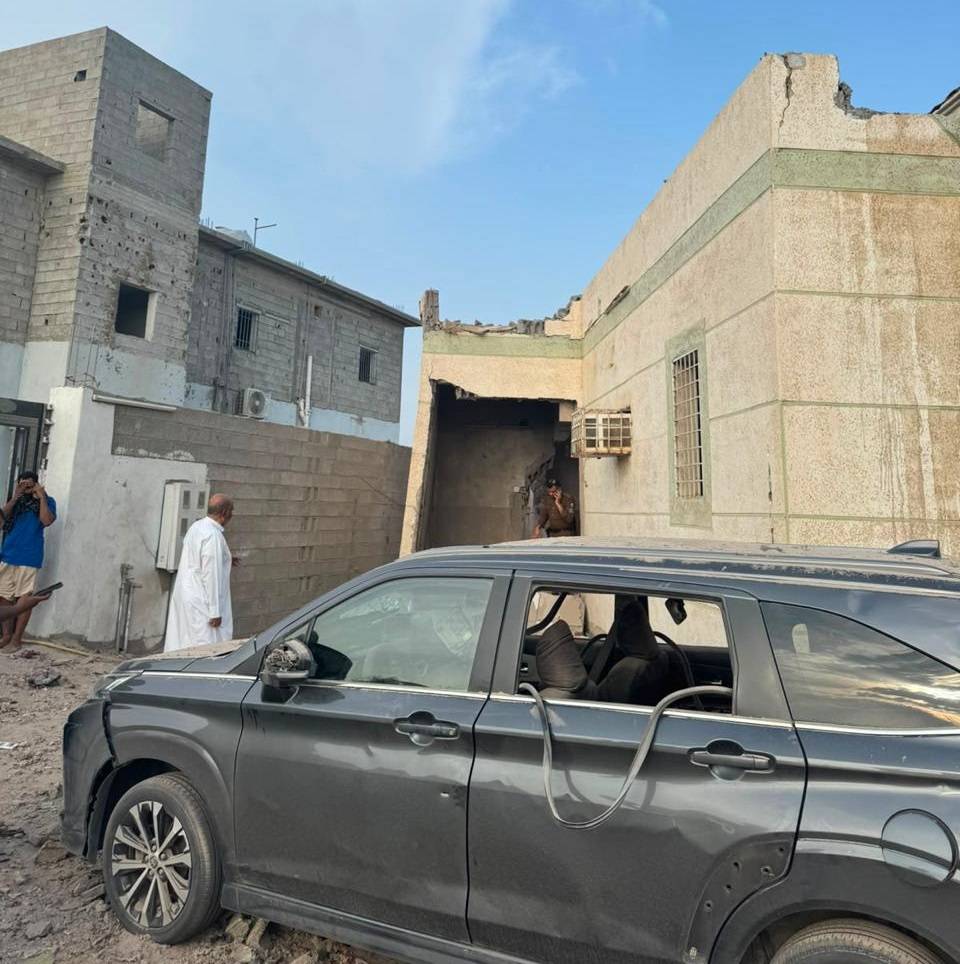
Suudi Arabistan Sivil Savunma Müdürlüğü, cumartesi günü yaptığı açıklamada, Husilerin Cizan bölgesinin (ülkenin güneyi) et-Tuval vilayetindeki sivil yerleşimlere yönelik saldırısında kullanılan bir mühimmatın bölgeye düştüğünü bildirdi. Açıklamada, bunun Husilerin yerleşim bölgeleri ve hayati tesisleri hedef alan sistematik saldırılarının ve saldırgan politikalarının devamı olduğu belirtildi.
Sivil Savunma Müdürlüğü tarafından yapılan açıklamada, saldırı sonucunda “iki kişinin yaralandığı, bir cami ile çok sayıda bina ve aracın maddi hasar gördüğü” ifade edildi. Açıklamada, olayın “barış çabalarını reddeden aşırılık yanlısı milislerin suç teşkil eden yaklaşımını” ortaya koyduğu ve bölgesel ve uluslararası güvenlik ile istikrarı tehdit ettiği kaydedildi.
Açıklamada ayrıca sivil unsurların hedef alınmasının uluslararası insancıl hukukun açık bir ihlali olduğu vurgulanırken, bu tür durumlarda uygulanan gerekli prosedürlerin hayata geçirildiği belirtildi.
Cizan bölgesinin et-Tuval vilayetinde bir camide meydana gelen hasarın izleri (Şarku’l Avsat)
Camiye yönelik saldırının, Iraklı bir milisin geçen perşembe günü Suudi Arabistan’ın Medine bölgesini hedef alan Doğu-Batı Petrol Boru Hattı saldırısının devamı niteliğinde olduğu ifade edildi. Bunun, “terörist grupların sorumsuz uygulamalarını” yansıttığı kaydedildi.
İbadethanelerin hedef alınmasının, “bölgesel gündemlere hizmet eden işlevsel roller üstlenen terörist gruplar niteliğindeki” Husilerin karakterini ortaya koyduğu belirtildi. Açıklamada, bu grupların camilerin dokunulmazlığına saygı göstermediği ve İslam dininin öğretilerini dikkate almadığı ifade edilirken, ibadethanelerin uluslararası hukuk kapsamında korunan sivil unsurlar arasında yer aldığı vurgulandı.
Suudi Arabistan, egemenliğini savunmak, ulusal kazanımlarını korumak ve vatandaşları ile ülkesinde yaşayanların güvenliğini sağlamak amacıyla uluslararası hukuk kuralları çerçevesinde gerekli tüm önlemleri alma hakkının bulunduğunu teyit etti.
Öte yandan Yemen Bakanlar Kurulu, cumartesi günü gerçekleştirdiği toplantıda, Husilerin Suudi Arabistan topraklarına yönelik yenilenen saldırılarını en güçlü şekilde kınadı. Kurul, Yemen’in Suudi Arabistan’la tam dayanışma içinde olduğunu ve Riyad’ın güvenliğini, vatandaşlarını ve kazanımlarını koruma konusundaki meşru hakkını desteklediğini vurguladı.
Cizan’da bir cami ve araçlarda meydana gelen hasardan bir bölüm (SPA)
Yemen Bakanlar Kurulu, Yemen topraklarının Suudi Arabistan’ı hedef almak için bir platform olarak kullanılmasının, komşulara yönelik bir tehdit olmasından önce Yemen halkının çıkarlarına karşı bir saldırı anlamına geldiğini belirtti. Kurul, bunun Husilerin hareket ettiği dış gündemin niteliğini ortaya koyduğunu ifade etti.
Yemen Bakanlar Kurulu ayrıca Suudi Arabistan hükümetinin ülkeye ve meşru yönetimine sunduğu siyasi, ekonomik, askeri ve insani desteğin yanı sıra Riyad’ın samimi tutumlarını takdir ettiğini belirtti.
Husi saldırısı, tüm uluslararası ve insani hukuk ile sözleşmelere açıkça meydan okuyarak sivil unsurları hedef aldı (Şarku’l Avsat)
طرابلس تنفي السماح لأوكرانيا باستخدام قاعدة مصراتة لمهاجمة سفن روسيةhttps://turkish.aawsat.com/node/5317684
طرابلس تنفي السماح لأوكرانيا باستخدام قاعدة مصراتة لمهاجمة سفن روسية
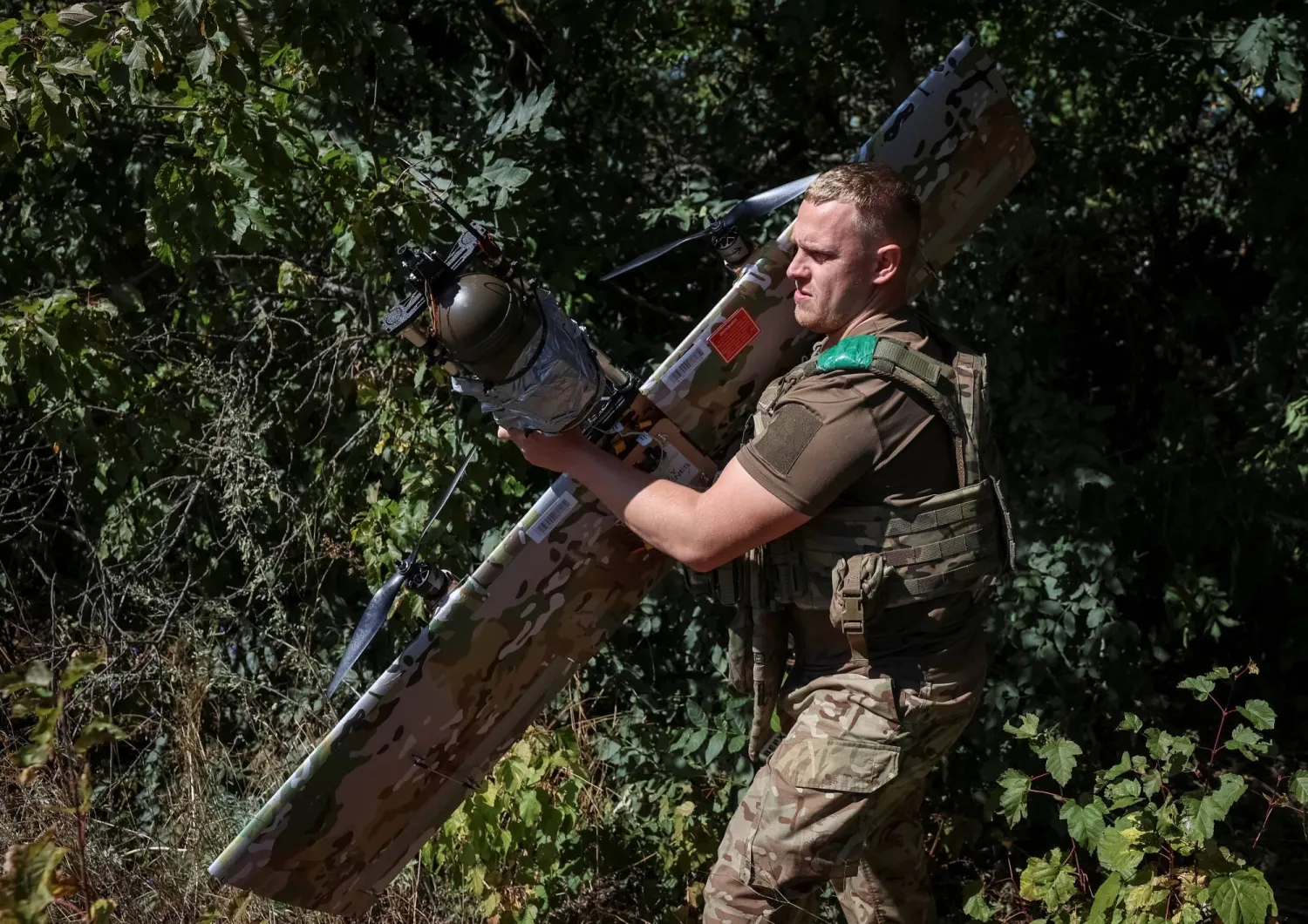
جندي أوكراني يستعد لإطلاق مسيّرة هجومية باتجاه القوات الروسية من موقع قريب من خط الجبهة في منطقة دونيتسك (رويترز)
أكدت ليبيا، السبت، أنها لا تسمح لأي جهات خارجية باستخدام قاعدة مصراتة لشنِّ هجمات، نافية بذلك تقريراً لشبكة «سي إن إن» الأميركية عن أن مسيّرات أوكرانية تنطلق من القاعدة العسكرية في شمال غربي ليبيا لضرب ناقلات روسية في البحر المتوسط.
وأكدت وزارة الدفاع الليبية، في بيان، أنها «تابعت ما ورد في تقرير صحافي عن مزاعم بشأن استخدام قاعدة مصراتة العسكرية منطلقاً لتنفيذ عمليات عسكرية تستهدف أطرافاً أو مصالح خارجية»، وفقاً لما نقلته «وكالة الصحافة الفرنسية».
وكانت «سي إن إن» أوردت نقلاً عن مصدر أوكراني أن مشغلي مسيّرات أوكرانيِّين منتشرون منذ أواخر 2025 في شمال غربي ليبيا.
وأضافت استناداً إلى مصدر آخر أن قاعدة مصراتة العسكرية تستخدم «نقطة انطلاق» للمسيّرات لمهاجمة الناقلات التابعة لأسطول الظل الروسي في المنطقة، مقابل تقديم تدريبات للقوات الليبية.
وأفادت وزارة الدفاع الليبية من غير أن تذكر «سي إن إن» بالاسم، أنها «تنفي نفياً قاطعاً وجود أي اتفاق أو ترتيب أو تنسيق يسمح باستخدام قاعدة مصراتة العسكرية، أو أي منشأة عسكرية وطنية، منصةً لإطلاق هجمات أو لتنفيذ عمليات عسكرية من أي نوع خارج إطار المهام السيادية للدولة الليبية».
وكانت مصلحة الموانئ والنقل البحري الليبية أعلنت في مطلع مارس (آذار) تعرُّض الناقلة الروسية «أركتيك ميتاغاز» التي كانت تحمل الغاز الطبيعي المسال «لانفجارات أعقبها حريق هائل أدى إلى غرقها بالكامل» شمال ميناء سرت.
لكن وزارة النقل الروسية قالت إن الهجوم على الناقلة نُفِّذ من الساحل الليبي بمسيَرات بحرية تابعة للبحرية الأوكرانية.